No products in the basket.
5 Herbs for Winter Energy: Natural Ways to Boost Vitality and Ease Seasonal Fatigue 🌿❄️

As the winter season deepens, many people notice lower energy levels, reduced motivation, and a general sense of seasonal sluggishness. This has led to growing interest in herbs for winter energy 🌱☕ as part of simple, plant-based seasonal routines. Shorter daylight hours, colder temperatures, and changes in daily routines all influence how the body feels and performs during winter. As a result, interest in herbs for winter energy continues to grow, particularly among those seeking alternatives to strong stimulants or excessive caffeine and looking to build steadier winter habits.
At Herba Organica, we offer a carefully selected range of loose dried herbs valued for their traditional use, flavour, and versatility. In this guide, we explore herbs for winter energy 🌿 commonly associated with winter routines, with a focus on five botanicals from our collection: Siberian ginseng, peppermint, linden flower, rosehip peel, and elderberry dried fruit. Rather than quick fixes, these herbs are typically used as part of balanced seasonal habits, helping people structure daily rituals that feel supportive and sustainable.
Understanding Winter Fatigue: Seasonal Influences and Daily Habits ❄️
What Contributes to Lower Energy in Winter?
Winter fatigue is often linked to environmental and lifestyle factors rather than a single cause. Reduced daylight can disrupt daily rhythms, while colder weather encourages more time indoors and less physical movement. Heating systems may contribute to dry air, and winter diets sometimes rely more heavily on heavier or more processed foods.
The post-holiday period can also feel demanding, as routines resume after a busy end-of-year season. Together, these factors can influence concentration, alertness, and overall momentum throughout the day. For many people, adjusting daily habits and introducing seasonal rituals—such as herbal infusions 🍵—becomes a practical way to bring structure and intention into winter months.
Why Include Herbs for Winter Energy in Daily Routines?
Herbs have long been used in seasonal traditions, particularly during colder months when fresh plant variety is limited. Preparing herbal teas or decoctions can encourage regular hydration, mindful pauses, and a sense of warmth and comfort.
Unlike highly stimulating beverages, herbal infusions are often chosen for their gradual, steady character. Some herbs for winter energy 🌱 are appreciated for their robust flavours, others for their aromatic qualities or traditional associations with balance and resilience. When used consistently, they can become part of a supportive daily rhythm rather than a short-term boost.
Key Herbs for Winter Energy 🌿
Below are five herbs for winter energy commonly selected during colder months, each offering distinct characteristics, flavours, and traditional uses.
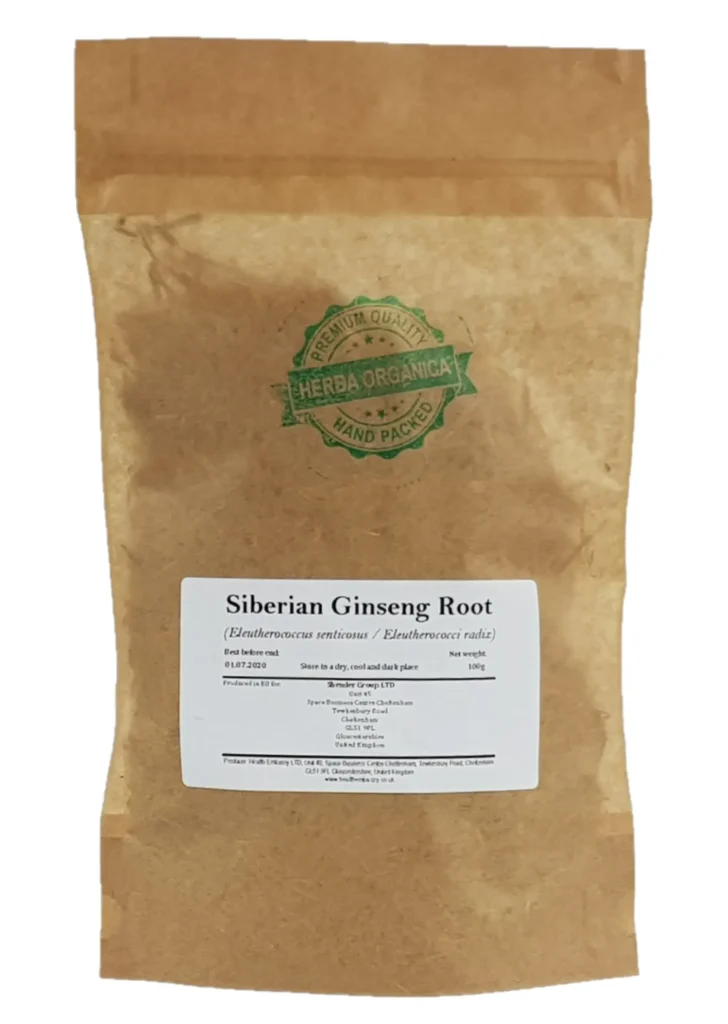
Siberian Ginseng: A Traditional Adaptogenic Root 🌱
Siberian ginseng (Eleutherococcus senticosus), also known as eleuthero, has a long history of use in Eastern European and Asian traditions. It is often described as an adaptogenic root, meaning it has traditionally been used during periods of increased demand or seasonal change.
In winter routines, Siberian ginseng is typically prepared as a decoction, allowing its earthy, slightly bitter notes to develop fully. Many people choose it as part of morning or early-day rituals, valuing its grounding character and association with endurance and consistency.
Siberian ginseng, also known as eleuthero, has a long history of traditional use as an adaptogenic root study by NIH highlights its historical and scientific relevance.
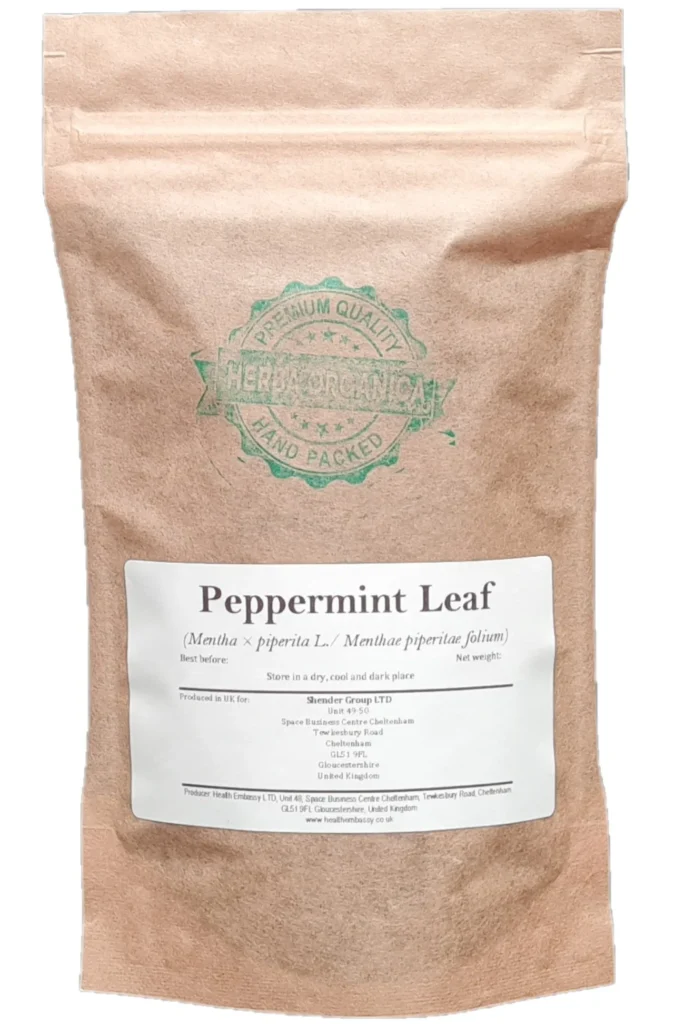
Peppermint: Freshness and Clarity in a Winter Cup 🌿🍃
Peppermint (Mentha × piperita) is widely appreciated for its bright aroma and clean, refreshing taste. During winter, when heavier meals are more common, peppermint tea is often chosen as a light, invigorating infusion.
Its crisp flavour makes it a popular option for midday breaks, especially for those looking to refresh the senses without reaching for strong stimulants.
Peppermint blends easily with both fruits and flowers, adding lift and balance to winter herbal mixtures.
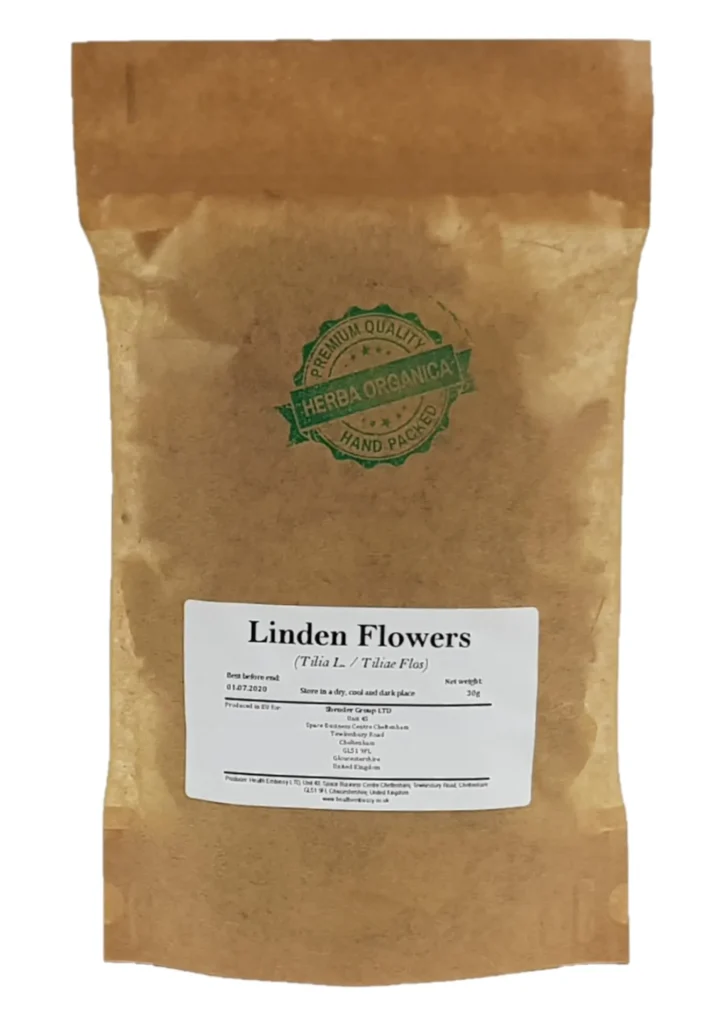
Linden Flower: A Gentle, Calming Botanical 🌼
Linden flower (Tilia species) is traditionally associated with moments of rest and relaxation. Its mild, slightly sweet profile makes it well suited to evening infusions or blends intended for quieter parts of the day.
In winter routines, linden flower is often valued for its ability to soften stronger herbal combinations. By encouraging a slower pace, it complements more robust herbs and supports a sense of balance within daily schedules.
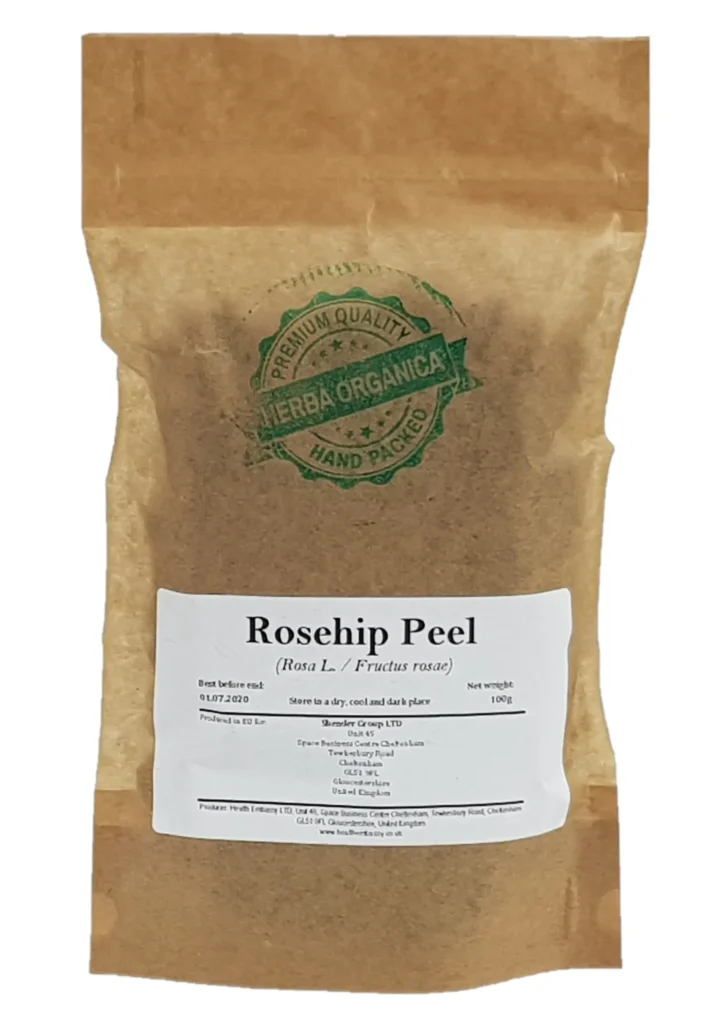
Rosehip Peel: Bright Colour and Natural Tartness 🌹
Rosehip peel is recognised for its vivid colour and pleasantly tart flavour. Made from the outer shell of the rose fruit, it is commonly used in winter teas to add brightness and depth.
Rosehip peel works well in both hot infusions and longer-simmered blends. Its naturally tangy profile pairs particularly well with roots and berries, making it a versatile component in seasonal herbal preparations. It is also appreciated for containing naturally occurring nutrients, including vitamin C, which contributes to the overall richness of the fruit.
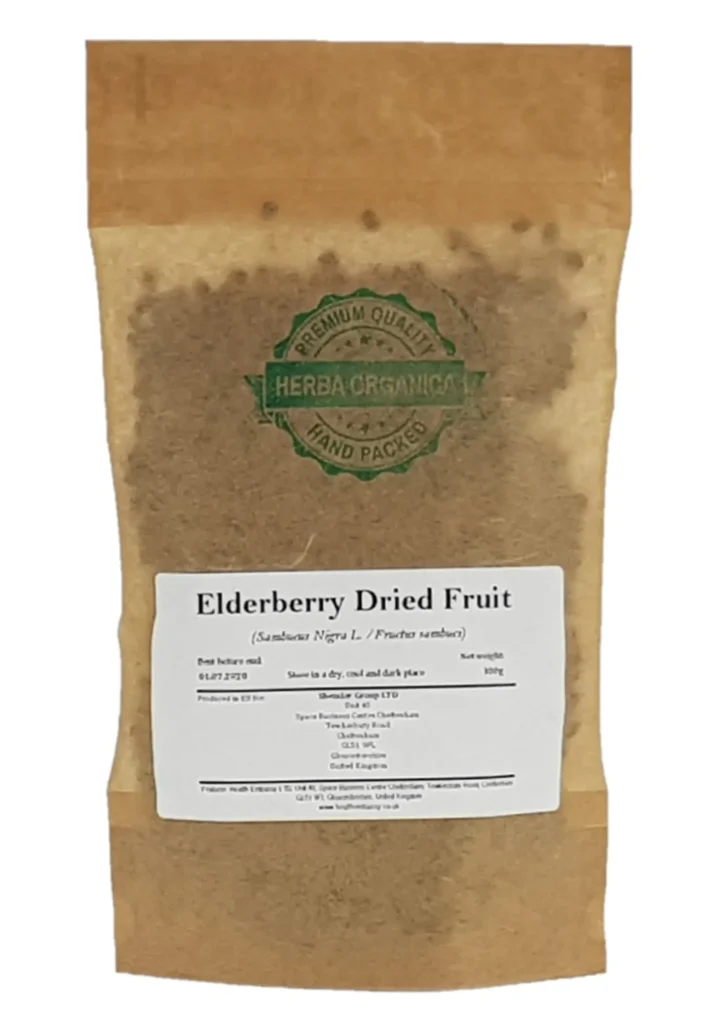
Elderberry Dried Fruit: Deep Flavour for Winter Blends 🍇
Elderberry (Sambucus nigra) dried fruit is a classic ingredient in winter tea blends. Its dark colour and rich, fruity taste make it especially popular during colder months.
Elderberries are typically simmered rather than simply steeped, which helps develop their full flavour. They are often combined with other fruits or flowers to create warming, well-rounded infusions suited to regular winter use. Elderberries are also valued for their natural antioxidants, which contribute to the depth and character of the fruit in seasonal preparations.
Creating Simple Herbal Blends with Herbs for Winter Energy ☕🌿
Morning Herbal Decoction 🌞
A grounding morning blend can be made with:
- 1 teaspoon Siberian ginseng root 🌱
- ½ teaspoon rosehip peel 🌹
- A small amount of peppermint 🍃
Simmer the ginseng and rosehip for around 15 minutes, adding peppermint near the end. This creates a robust, aromatic start to the day.
Midday Herbal Infusion 🌤️
For a lighter afternoon option:
- 1 teaspoon peppermint 🍃
- ½ teaspoon linden flower 🌼
- ½ teaspoon rosehip peel 🌹
Steep for 8–10 minutes. This blend offers freshness while maintaining a gentle profile.
Evening Herbal Tea 🌙
An evening blend may include:
- 1 teaspoon elderberry dried fruit 🍇
- 1 teaspoon rosehip peel 🌹
- ½ teaspoon linden flower 🌼
Simmer the fruits for about 10 minutes, then add linden and steep briefly. The result is a warming, fruit-forward tea suitable for winding down.
Practical Tips for Using Herbs For Winter Energy 📝
- Use herbs for winter energy 🌿 regularly in moderate amounts rather than sporadically.
- Store dried herbs in airtight containers away from light and heat.
- Adjust blends based on flavour preference and time of day.
- Prepare fruits and roots as decoctions, and leaves or flowers as infusions.
- View herbal teas as part of broader winter habits, alongside regular meals, hydration, movement, and exposure to natural light.
A Seasonal Approach Using Herbs for Winter Energy ❄️🌱
Winter often invites a slower pace and more intentional routines. Incorporating herbs for winter energy 🌿 into daily life can be a simple way to create warmth, structure, and sensory variety during darker months. Siberian ginseng, peppermint, linden flower, rosehip peel, and elderberry dried fruit each contribute unique characteristics that suit winter use.
By choosing high-quality loose dried herbs from Herba Organica and preparing them with care, winter routines can feel more grounded and enjoyable. Rather than fighting the season, these traditional botanicals support a more measured, seasonal approach to daily energy and balance.
Frequently Asked Questions About Herbs for Winter Energy ❄️🌿
- What are herbs for winter energy? 🌱🍵
Herbs for winter energy are dried leaves, roots, flowers, or fruits traditionally used in seasonal routines during colder months. They are commonly prepared as teas or decoctions and chosen for their flavour, aroma, and suitability for winter habits rather than as stimulants.
- Why are herbs for winter energy popular during colder months? ❄️🌿
Herbs are often used in winter because they fit naturally into warming drinks and daily rituals when daylight is limited and routines change. Many people appreciate them as a gentle alternative to strong coffee or sugary beverages.
- How are herbs for winter energy typically prepared? ☕🌱
Most herbs are prepared as infusions or decoctions. Leaves and flowers are usually steeped in hot water, while roots and dried fruits are gently simmered to release their flavour and character.
- Can different herbs be blended together? 🌿🍃
Yes, herbs are frequently blended to balance taste and intensity. Combining roots, fruits, and aromatic leaves allows for customised blends suited to different times of day or personal preferences.
- How often can herbs for winter energy be used? 📅🌱
Herbs for winter energy are commonly enjoyed as part of regular winter routines, such as daily teas or occasional decoctions. Moderation and consistency are generally preferred over large or infrequent servings.
- Are herbs for winter energy suitable for evening use? 🌙🌼
Some herbs for winter energy, particularly flowers and fruits, are well suited to evening blends due to their mild flavour profiles. Stronger-tasting roots or aromatic leaves are more often chosen earlier in the day, depending on personal preference.
- How should herbs be stored at home? 🏡🌿
To maintain quality, herbs should be stored in airtight containers away from light, heat, and moisture. Proper storage helps preserve aroma, colour, and flavour throughout the winter season.
Disclaimer
The information on this blog is for educational and informational purposes only. It is not medical advice and is not a substitute for professional healthcare guidance. Always consult with a qualified healthcare professional, such as your doctor or pharmacist, before using any herbal products, especially if you are pregnant, nursing, taking medication, or have a known health condition