No products in the basket.
🌿3 Homemade Herbal Teas for Better Digestion: Chamomile, Peppermint, and St. John’s Wort 🍵
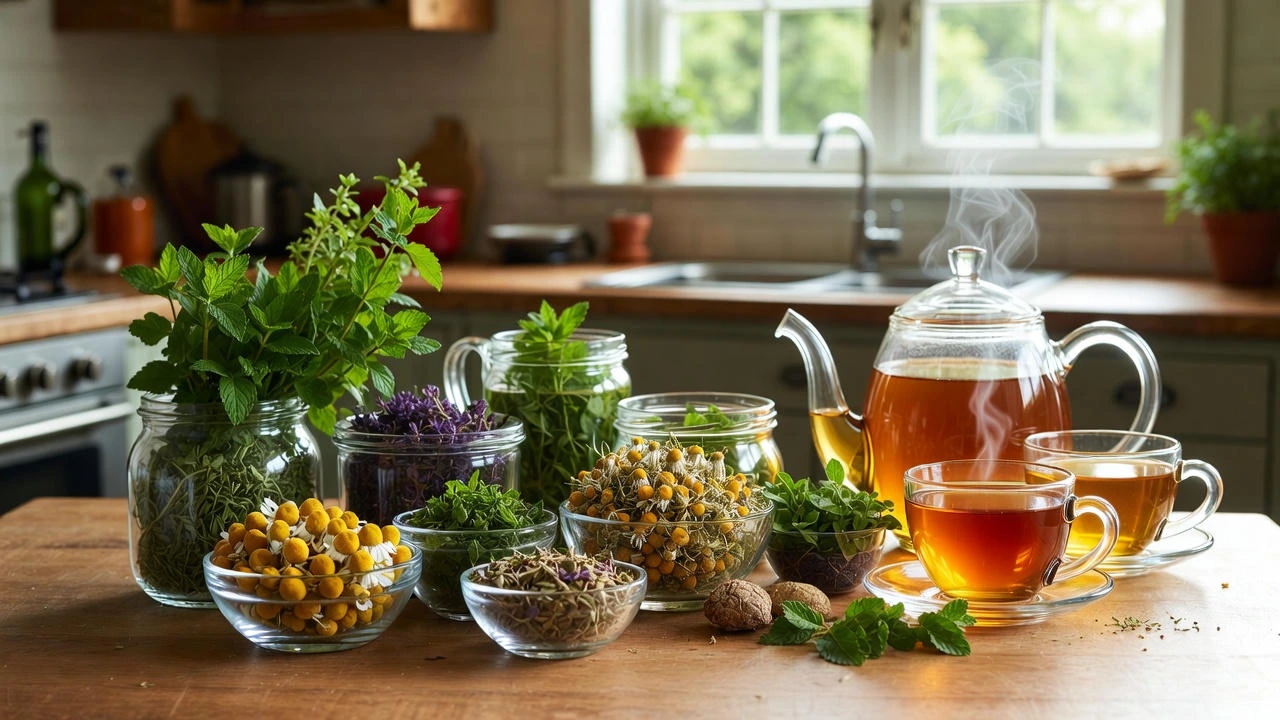
In the world of herbal infusions, few things are as comforting as a warm cup of homemade herbal teas for better digestion ☕. With the rising popularity of natural, caffeine-free beverages in the UK, herbal teas made from chamomile, peppermint, and St. John’s wort have become go-to choices for those seeking soothing, flavourful drinks. These classic herbs, often enjoyed as simple tisanes, offer delightful tastes and aromas that make them perfect for everyday brewing.
Whether you’re exploring homemade herbal teas for better digestion support or simply love the ritual of preparing your own blends, this guide will walk you through everything you need to know. From the history and traditional uses of these herbs to easy recipes, brewing tips, and creative combinations – we’ve got you covered. Let’s dive into the wonderful world of chamomile tea, peppermint tea, and St. John’s wort infusions! ✨
❓ Why Choose Homemade Herbal Teas for Better Digestion?
Making your own homemade herbal teas for better digestion allows you to control the quality and freshness of the ingredients 🌱. In 2025, with more people turning to organic and loose-leaf herbs, homemade infusions are trending for their purity and customisability. Unlike pre-packaged tea bags, using dried chamomile flowers, peppermint leaves, or St. John’s wort gives you a more potent flavour and the satisfaction of a truly handmade beverage.
Herbal teas, also known as tisanes, are naturally caffeine-free and can be enjoyed hot or iced 🧊. They’re a staple in many UK households, especially during the cooler months when a steaming mug feels just right. Popular searches like “best herbal teas for digestion UK”, “homemade herbal teas for better digestion” or “homemade chamomile peppermint tea recipes” reflect how these simple herbs are beloved for their versatility.
📈 The Growing Popularity of Digestive Herbal Teas in the UK
Herbal teas focused on gentle, everyday wellness are booming 🚀. Chamomile and peppermint consistently rank among the top-selling loose herbs, appreciated for their refreshing profiles. St. John’s wort, while less common in blends, adds an earthy note that’s gaining attention in custom tisane recipes. Many people creating homemade herbal teas for better digestion choose organic dried herbs to ensure clean flavour and a pure, additive-free taste.
🌼 Understanding the Key Herbs
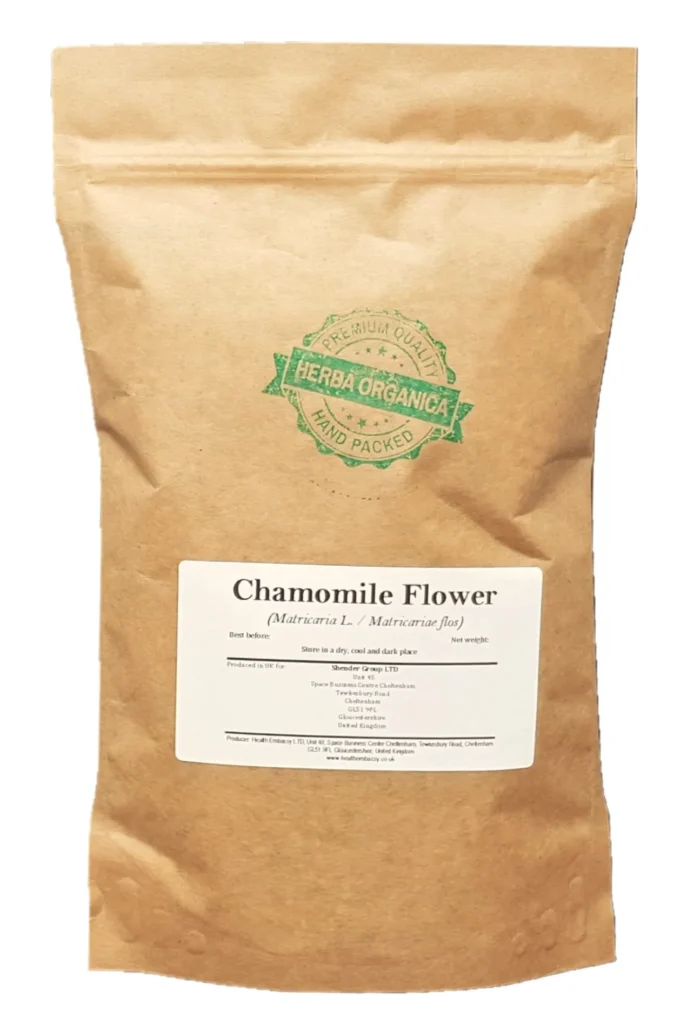
Chamomile: The Classic Soother
Chamomile (Matricaria chamomilla) is one of the most recognised herbs for herbal infusions 🌼. Its daisy-like flowers dry beautifully, producing a golden tea with a mild flavour. Traditionally used across Europe for centuries, chamomile tea is a favourite for evening wind-down favourite.
Dried chamomile flowers are widely available in a loose form. When brewing, the flowers release a subtle sweetness that’s perfect on its own or blended with other herbs.
✅ How to Select and Store Chamomile
Look for whole dried chamomile flowers rather than powdered forms for the freshest taste. Store in an airtight container away from light to preserve the essential oils that give it that signature aroma.
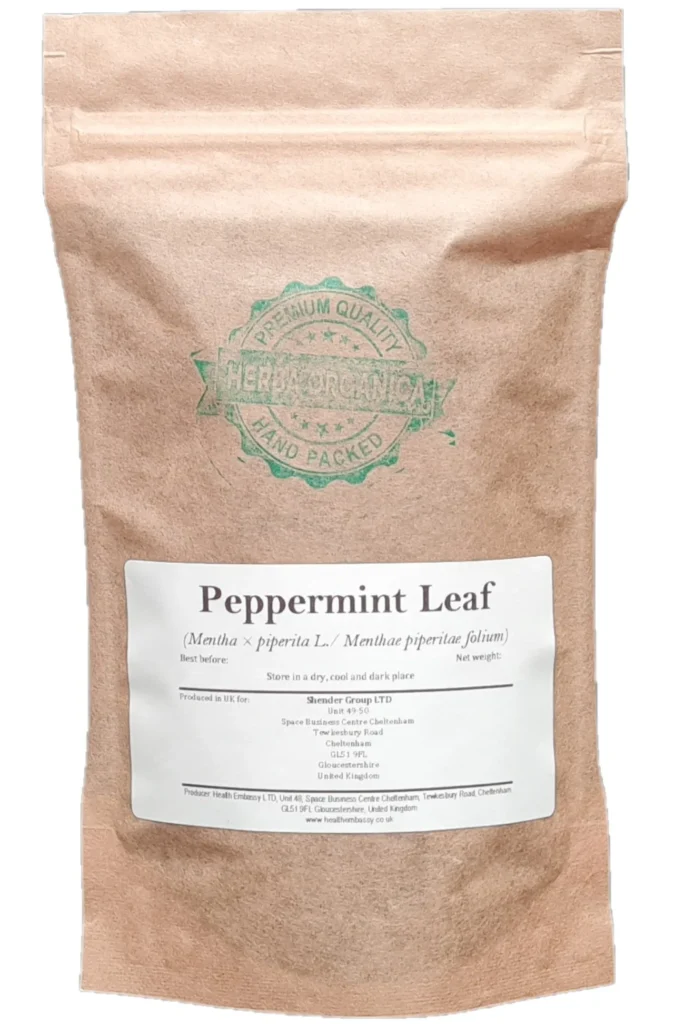
Peppermint The Refreshing Favourite
Peppermint (Mentha × piperita) leaves deliver a cool, minty burst that’s instantly invigorating 🌿❄️. This hybrid mint has been a staple in British gardens and kitchens for generations. Peppermint tea is incredibly versatile – hot for comfort or iced for a summer refresher.
Dried peppermint leaves retain their menthol content well, making them ideal for strong, flavourful infusions. Many people keep a jar of organic peppermint on hand for quick brewing.
✅ Tips for Choosing Quality Peppermint
Opt for bright green leaves without too much stem. High-quality peppermint should have a strong, fresh scent when crushed.
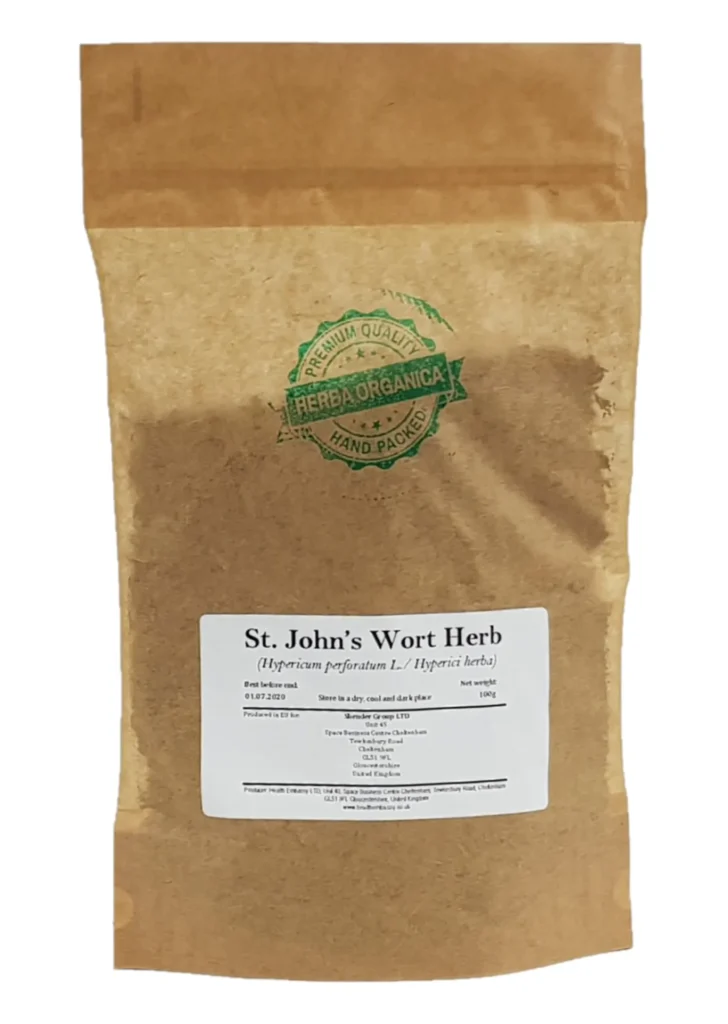
St. John’s Wort The Earthy Addition
St. John’s wort (Hypericum perforatum) brings a slightly bitter, herbaceous note to herbal teas 🌿. Its yellow flowers have been used in traditional European infusions for ages. While often taken alone, it pairs interestingly with milder herbs like chamomile.
In modern herbalism, dried St. John’s wort tops (flowers and leaves) are used sparingly in blends due to their robust flavour. It’s less common than chamomile or peppermint but adds depth to custom recipes.
✅ Sourcing and Using St. John’s Wort Safely
Always choose pure St. John’s Wort that has been naturally grown and sourced from reliable suppliers. Use it in moderation, as its flavour can easily overpower other ingredients in a blend
🔥 How to Make the Perfect Herbal Infusion
Brewing herbal tea is simple but requires attention to detail for the best results ✨.
Basic Brewing Method
- Use 1-2 teaspoons of dried herbs per cup (250ml) of boiling water 💧
- Steep covered for 5-15 minutes, depending on desired strength ⏱️
- Strain and enjoy plain or with a touch of honey 🍯
Longer steeping extracts more flavour from the herbs. For iced versions, brew double strength and pour over ice 🧊.
☕ Hot vs. Cold Brew Infusions
Hot infusions are traditional and quick, while cold brewing overnight in the fridge reduces bitterness – especially useful for St. John’s wort.
🍵 Delicious Homemade Herbal Teas for Better Digestion Recipes
Here are some easy, tested recipes using chamomile, peppermint, and St. John’s wort. All use organic dried herbs for premium quality 🌱.
Simple Chamomile Tea Recipe 🌼
- 1 tablespoon dried chamomile flowers
- 250ml boiling water
Steep for 10 minutes. This classic yields a gentle, floral cup – perfect for any time of day.
Refreshing Peppermint Tea 🌿❄️
- 1-2 teaspoons dried peppermint leaves
- 250ml boiling water
Steep for 5-7 minutes. The result is crisp and cooling, ideal as a palate cleanser.
Basic St. John’s Wort Infusion 🌿
- 1 teaspoon dried St. John’s wort
- 250ml boiling water
Steep for 10 minutes. Strain carefully for a mild, earthy tea.
Chamomile and Peppermint Blend (A UK Favourite) 🌼🌿
- 1 teaspoon chamomile flowers
- 1 teaspoon peppermint leaves
- 250ml boiling water
Steep for 8-10 minutes. This combination creates a balanced, aromatic tea that’s incredibly popular for its smooth taste.
Variations on the Classic Blend
Add a slice of lemon for brightness 🍋 or a few fennel seeds for extra herbal notes.
Soothing Three-Herb Digestive Tea Blend 🌼🌿✨
- 1 teaspoon chamomile flowers
- 1 teaspoon peppermint leaves
- ½ teaspoon St. John’s wort
Steep for 10-12 minutes. This trio offers layered flavours – floral, minty, and slightly bitter.
Iced Herbal Tea Recipes for Summer 🧊
Double the herbs, brew hot, then chill. Try iced chamomile-peppermint with fresh mint sprigs 🌿.
Evening Wind-Down Blend with Chamomile and St. John’s Wort 🌙
- 1 teaspoon chamomile
- ½ teaspoon St. John’s wort
- Optional: A pinch of lavender 💜
Steep for 12 minutes for a relaxing pre-bedtime drink.
Peppermint-Chamomile with a Twist 🌿🍋
Add dried ginger or lemon balm for variety. Experiment to find your perfect mix!
🎨 Creative Ways to Enhance Your Homemade Herbal Teas for Better Digestion
- Natural Sweeteners: Honey 🍯, stevia, or agave complement the herbs without overpowering.
- Add-Ins: Fresh lemon 🍋, orange peel, or cinnamon sticks elevate flavours.
- Blending Tips: Start with equal parts chamomile and peppermint, then adjust St. John’s wort to taste.
🫙 Storing and Sourcing Your Herbs
Buy dried chamomile, peppermint, and St. John’s wort from trusted UK suppliers. At Herba Organica, we offer premium loose herbs perfect for these recipes – check our loose chamomile flowers 🌼 peppermint leaves 🌿 St. John’s wort ✨
Store in the original, tightly closed packaging or transfer to a sealed glass jar. Keep in a cool, dark place for up to one year.
⚠️ Safety and Best Practices
Herbal teas are generally safe when enjoyed in moderation. Use food-grade, natural herbs. If pregnant, nursing, or on medication? Consult a professional before trying new herbs (especially St. John’s wort).
✨ Final Thoughts: Start Brewing Today!
Homemade herbal teas for better digestion with chamomile, peppermint, and St. John’s wort are easy, affordable, and endlessly customisable 🌿. Whether you stick to single-herb infusions or experiment with blends, these tisanes bring a touch of nature to your daily routine.
Ready to try? Stock up on high-quality organic herbs and brew your first cup today! Which recipe will you make first? Share your creations in the comments below – we’d love to hear! 👇💬
Frequently Asked Questions – Homemade Herbal Teas for Better Digestion
Here are the 7 most common questions people ask about homemade herbal teas for better digestion using chamomile, peppermint, and St. John’s wort:
1. What are the best herbs for homemade herbal teas for better digestion?
The most popular and easy-to-use choices in the UK are chamomile flowers, peppermint leaves, and St. John’s wort. Together or separately, they create soothing, caffeine-free infusions that are perfect for daily enjoyment.
2. How do I make a simple homemade herbal tea for better digestion at home?
Use 1–2 teaspoons of dried herbs (or a mix) per cup of boiling water, steep covered for 5–15 minutes, strain, and drink. It really is that easy – no special equipment needed!
3. Can I mix chamomile, peppermint, and St. John’s wort together?
Yes! A classic blend is 1 tsp chamomile + 1 tsp peppermint + ½ tsp St. John’s wort. This combination gives a balanced flavour – floral, refreshing, and slightly earthy – and is one of the most loved versions of homemade herbal teas for better digestion.
4. How long should I steep homemade herbal teas for better digestion?
Chamomile: 8–10 minutes
Peppermint: 5–7 minutes
St. John’s wort: 10–12 minutes
Blends: 8–12 minutes
Longer steeping = stronger taste.
5. Are these homemade herbal teas for better digestion safe to drink every day?
When prepared with food-grade dried herbs and enjoyed in normal amounts (2–4 cups per day), they are generally considered safe for most people. Always choose high-quality herbs and listen to your body.
6. Can I drink these herbal teas iced?
Absolutely! Brew your homemade herbal teas for better digestion double-strength, let them cool, then pour over ice. Iced chamomile-peppermint is especially refreshing in summer. 🧊
7. Where can I buy organic herbs to make these homemade herbal teas for better digestion?
Look for loose dried chamomile, peppermint, and St. John’s wort from trusted UK suppliers. We stock all three in premium quality right here at Herba Organica – perfect for your next brew! 🌿
8. What is the best herbal tea for digestion?
There isn’t a single “best” option, but chamomile, peppermint, and St. John’s wort are among the most commonly used herbs in homemade herbal teas for better digestion. Chamomile offers a soft, floral profile, peppermint brings a refreshing coolness, and St. John’s wort adds a mild earthy depth. Many people enjoy them individually or blended for a balanced, flavourful infusion.
Have another question about homemade herbal teas for better digestion? Drop it in the comments below! 👇
Disclaimer:
The information on this blog is for educational and informational purposes only. It is not medical advice and is not a substitute for professional healthcare guidance. Always consult with a qualified healthcare professional, such as your doctor or pharmacist, before using any herbal products, especially if you are pregnant, nursing, taking medication, or have a known health condition.