No products in the basket.
White Willow Bark – Salix alba L. – Herba Organica
Price range: £6.99 through £13.99
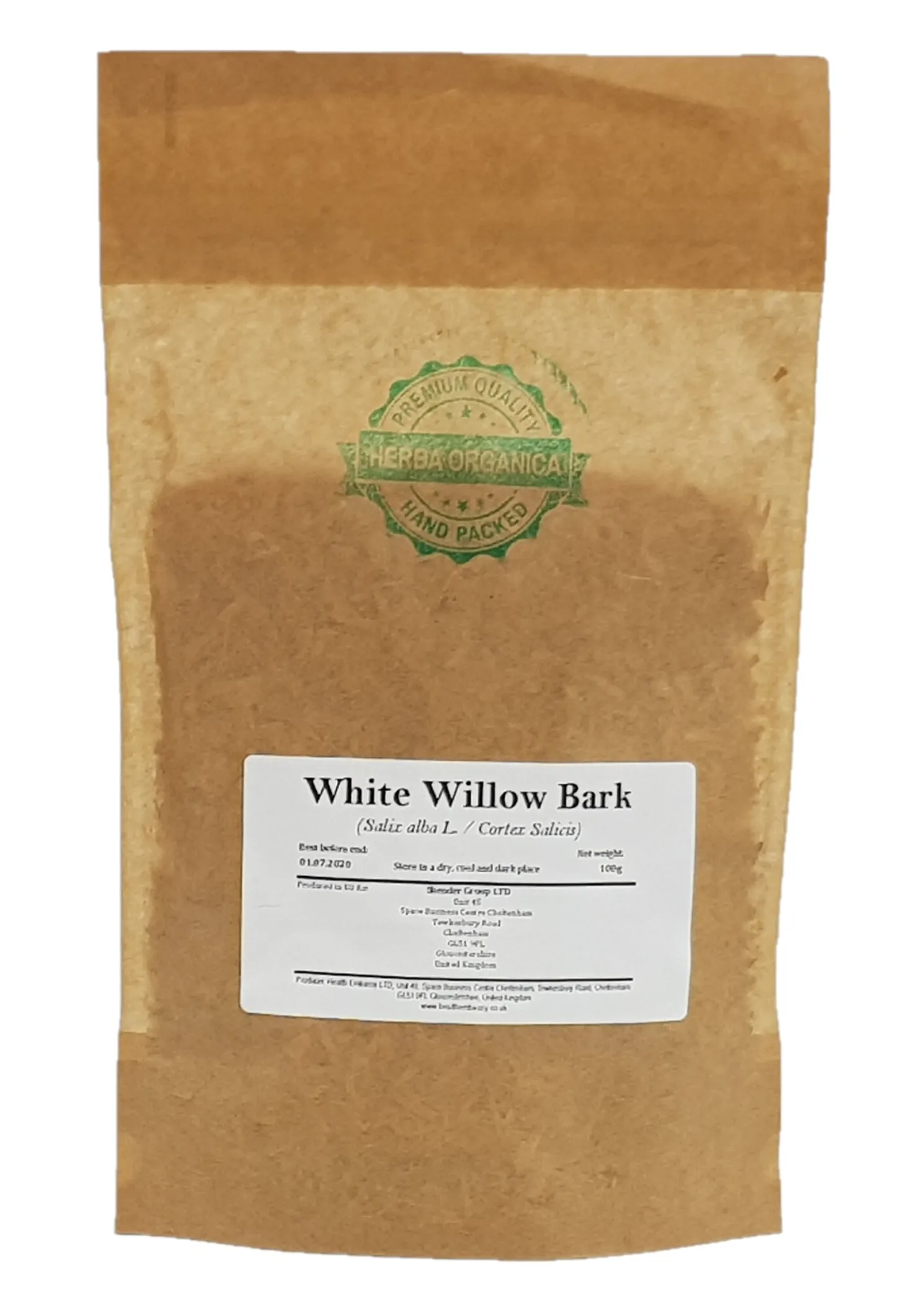
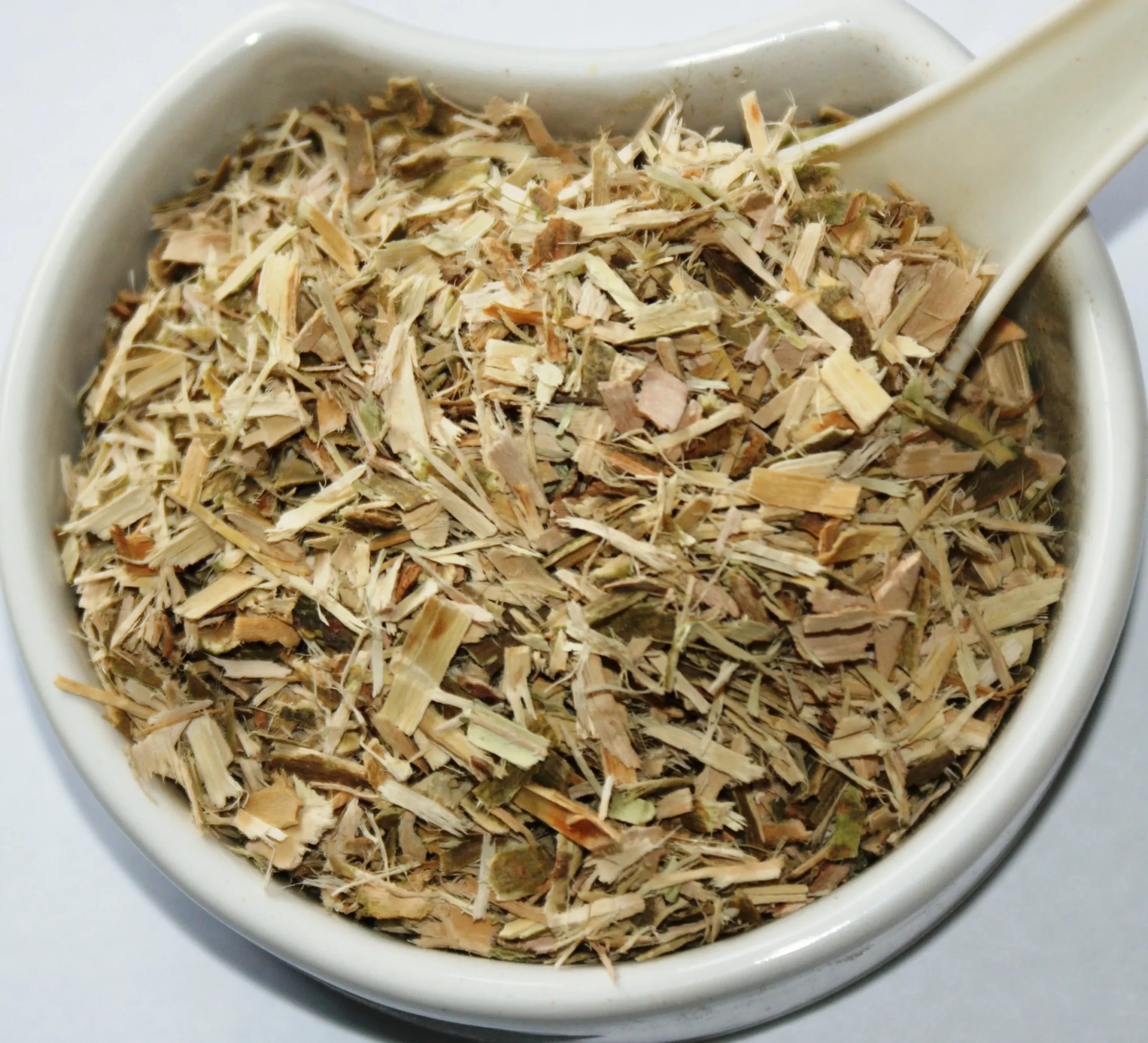
White Willow Bark (Salix alba L.) is a carefully hand-packed, wild-collected bark with a naturally woody aroma. Its versatile character makes it ideal for herbal infusions, layered blends, decoctions, and traditional botanical preparations, providing a rich, aromatic addition to teas and herbal mixtures.
Description
White Willow Bark (Salix alba L.) Wild-Collected & Hand-Packed
White Willow Bark (Salix alba L.) from Herba Organica is carefully collected from wild-growing white willow trees at the ideal stage of maturity. The bark is gently dried to preserve its natural character and hand-packed to maintain purity, texture, and aromatic quality. This traditional European botanical offers a versatile ingredient for infusions, layered blends, and herbal preparations.
What Is White Willow Bark
White Willow (Salix alba L.) is a fast-growing deciduous tree native to Europe and parts of Western Asia, commonly found along riverbanks, wet meadows, and floodplains. Recognisable by its pale, fissured bark and slender, lance-shaped leaves, the tree produces bark that has long been collected for its distinctive woody aroma and fibrous texture.
Traditionally, White Willow Bark was harvested in spring or early summer and used in household and herbal preparations. Its earthy, slightly bitter character made it suitable for infusions, decoctions, and incorporation into aromatic or layered botanical blends. Before the widespread availability of processed herbal products, natural barks like this were valued for their practicality and accessibility, forming part of daily European herbal practices.
Traditional Uses
Historically, White Willow Bark has been used in several ways:
Warm Infusions and Decoctions: Steeped or simmered to release the bark’s woody aroma and natural character.
Layered Herbal Blends: Combined with other botanicals to create aromatic teas or herbal mixtures.
Craft and Household Preparations: Incorporated into simple aromatic blends, sachets, or traditional household formulations.
How to Use White Willow Bark – Simple Recipes
White Willow Bark Infusion
1 teaspoon dried bark
250 ml hot water (not boiling)
Place the bark in a cup or mug, pour over hot water, cover, and steep for 10–15 minutes. Strain and enjoy warm as a naturally aromatic beverage. Optional: add a small amount of honey or a cinnamon stick to soften the flavour.
White Willow Bark Decoction
1 tablespoon dried bark
250–300 ml cold water
Place the bark in a small saucepan with cold water. Bring to a gentle simmer and cook for 15–20 minutes. Remove from heat and allow to cool slightly. Strain through a fine sieve before serving. This method extracts the deeper woody flavours and compounds from the bark, producing a richer, more robust herbal preparation.
Herbal Blend Infusion with White Willow Bark
1 teaspoon White Willow Bark
1 teaspoon Linden Flowers
½ teaspoon Chamomile Flowers
½ teaspoon dried Peppermint Leaves
Place all ingredients in a teapot or heatproof cup. Pour over 250–300 ml of hot water, cover, and steep for 10–15 minutes. Strain and serve warm. This blend combines the woody aroma of willow bark with sweet, floral, and refreshing notes for a balanced herbal infusion.
Botanical Pairings
White Willow Bark pairs well with other herbs and botanicals:
Horsetail Herb – for earthy, green undertones
Meadowsweet Herb – naturally sweet, complements the woody bark
Yarrow Herb – for a subtle herbal depth
Thyme Herb – for a warm, herbaceous accent
Storage Instructions
Store White Willow Bark in a cool, dry place away from direct light and strong odours. After opening, reseal the pouch tightly or transfer the bark to an airtight container to protect its texture and aroma. Proper storage preserves its natural qualities and ensures long-term use in infusions, decoctions, blends, and traditional preparations.
Important Information
The description and any information provided about this product are for informational purposes only and are not intended to diagnose, treat, cure or prevent any disease, nor to replace professional medical advice. For official UK guidance on the safe use of herbal products, see the NHS page. If you are pregnant, breastfeeding, taking any medication or have a medical condition, please consult a qualified healthcare professional before use. Keep out of reach of children.




Be the first to review “White Willow Bark – Salix alba L. – Herba Organica”