No products in the basket.
6 Mindfulness Herbs for Harmony: Supporting Mood & Presence in the New Year 🌱✨
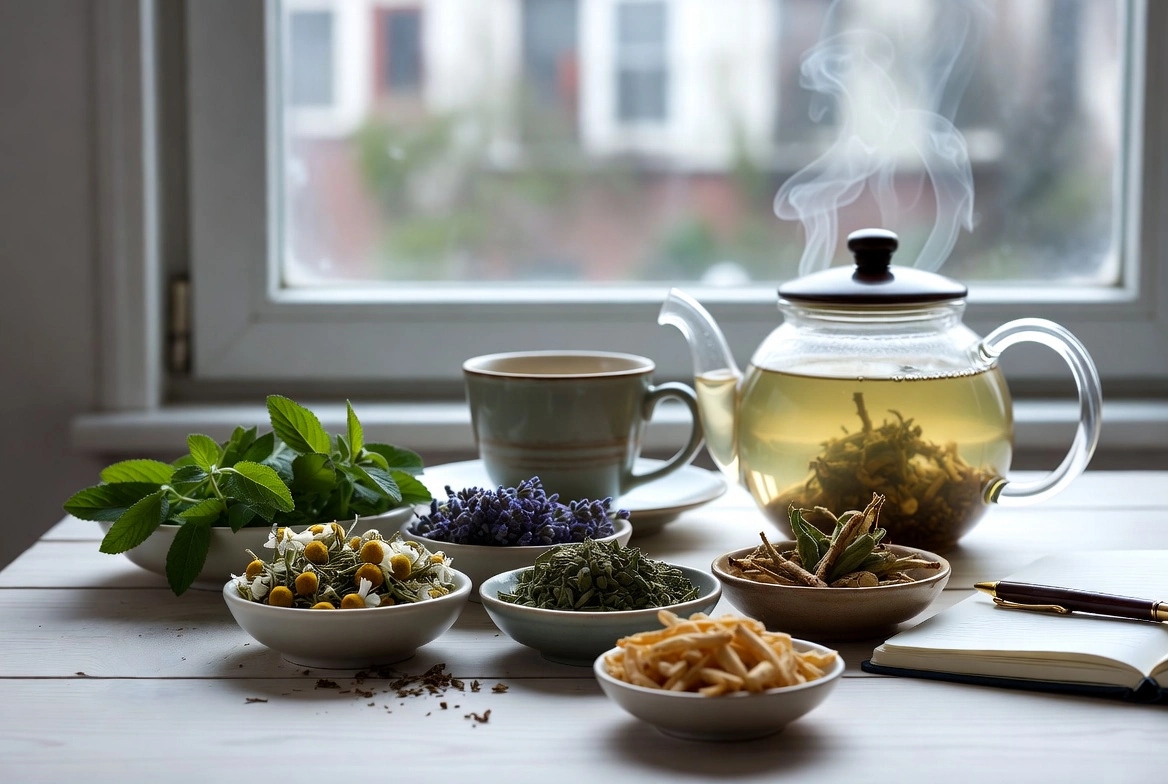
As the glitter of the holidays fades and the deep quiet of January sets in, it’s common to feel a sense of flatness or restlessness. The pressure of “new year, new you” can be at odds with the body’s natural inclination to rest and restore during winter. At Herba Organica, we believe true well-being comes not from pushing harder, but from nurturing yourself with gentle, consistent care. This year, we invite you to cultivate harmony from within — with the support of carefully chosen mindfulness herbs.
Your herbal pantry holds powerful allies for this journey. Beyond simple relaxation, certain mindfulness herbs can help your mind and body build resilience to stress, gently lift your mood, and support a state of calm, focused awareness perfect for mindfulness practices. Let’s explore six cornerstone herbs from our collection, perfectly suited for fostering emotional balance and mindful living this January.
🌿 Your Herbal Toolkit for Mood & Mindfulness
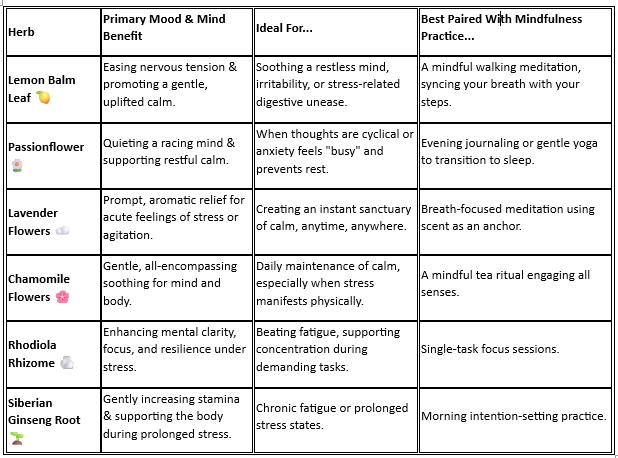
This table provides a quick guide to these mindfulness herbs, helping you choose the right support for your moment, whether you’re seeking calm, focus, or gentle resilience. It highlights each herb’s primary mood benefit, ideal use cases, and how to pair it with simple mindfulness practices, making it easier to integrate these herbs into your daily routine.
The Soothing Nervines — Mindfulness Herbs for Instant Calm
These herbs are like a comforting hug for your nervous system, offering direct support for relaxation and easing tension.
🍋 Lemon Balm — The Uplifting Soother
Beloved for its bright, citrusy aroma, Lemon Balm is a classic nervine and one of the most approachable mindfulness herbs. It is traditionally used to soothe the nervous system and ease stress that “knots” the stomach.
Herba Organica Pairing & Use:
Our Lemon Balm Leaf makes a refreshing tea any time of day. Inhale the steam before drinking. Blend with Chamomile for deeper calm.
Mindfulness Pairing:
Gentle stretching with body awareness after drinking.
🌼 Passionflower — The Quiet Companion for a Busy Mind
Passionflower is among the most valued herb for calming mental chatter and supporting rest.
Herba Organica Pairing & Use:
Drink 1 cup 60 minutes before sleep or combine with Lemon Balm during the day.
Mindfulness Pairing:
Guided meditation or body scan practice.
☁️ Lavender — The Sensory Sanctuary
Lavender works through the senses and is ideal for anchoring attention in the present moment.
Herba Organica Pairing & Use:
Use in tea, sachets, baths, or desk pouches.
Mindfulness Pairing:
Five slow breaths using aroma as focus.
🌸 Chamomile — The Gentle Daily Nurturer
Chamomile is a gentle, grounding choice among mindfulness herbs, particularly when stress manifests physically.
Herba Organica Pairing & Use:
Evening tea ritual or blend with Lemon Balm.
Mindfulness Pairing:
Full sensory tea ceremony.
Adaptogenic Mindfulness Herbs for Resilience
These dried herbs support the body’s ability to adapt to stress over time.
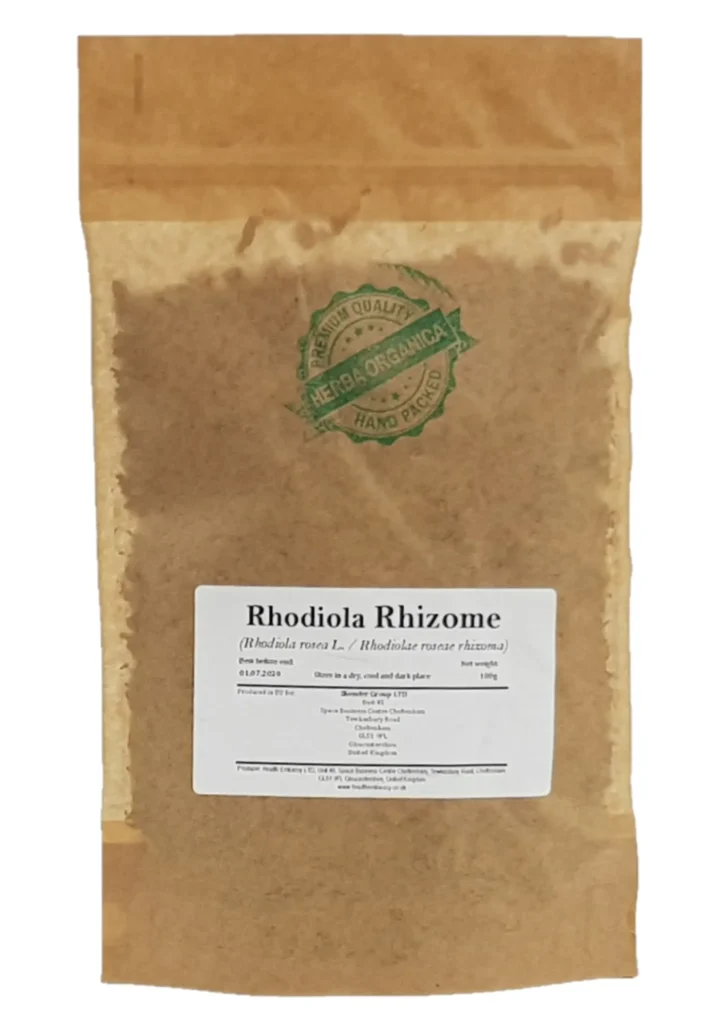
🪨 Rhodiola Rhizome — The Root of Mental Clarity
Use: Decoction, 15–20 minutes simmer.
Mindfulness Pairing: Focused, distraction-free work blocks.
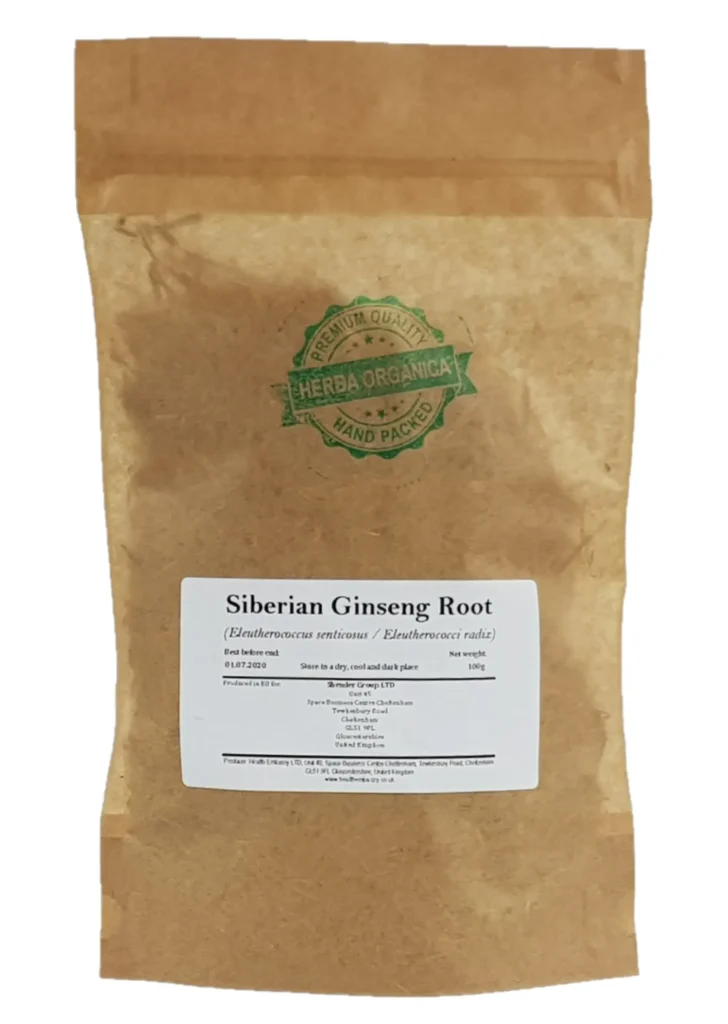
🌱 Siberian Ginseng — The Gentle Sustainer
Use: Infusion, 10–15 minutes steep.
Mindfulness Pairing: Morning intention setting.
Weaving Your Mindfulness Herbs into Daily Ritual
Creating intentional blends from your mindfulness herbs allows you to tailor support for different moments of the day and cultivate a sense of presence. For example:
- Calm Focus Blend: Rhodiola + Lemon Balm — helps you stay clear-headed while gently easing tension.
- Resilient Relaxation Blend: Siberian Ginseng + Chamomile — supports steady energy and a balanced mood during busy or stressful days.
- Evening Unwind Blend: Passionflower + Chamomile + Lavender — a soothing combination to signal your body and mind that it’s time to rest.
By integrating these blends into a mindful routine, you are taking a holistic approach to managing stress, addressing both body and mind rather than relying on quick fixes. Observe how each blend makes you feel, adjust proportions to your preference, and take a moment to truly engage with the preparation and enjoyment of the herbs. Consistency over time is far more effective than occasional use, turning simple herbal teas into meaningful daily practices that nurture calm, focus, and emotional balance.
A Few Simple Recipes with Mindfulness Herbs
Turning your mindfulness herbs into simple, repeatable preparations helps transform them from “ingredients” into lived rituals. These recipes are intentionally uncomplicated, allowing you to stay present in the process and respond to how your body and mind feel each day.
🍵 Calm Focus Morning Tea
A gently clarifying blend to support presence, attention, and calm energy.
Ingredients:
- ½ tsp Rhodiola Rhizome
- 1 tsp Lemon Balm Leaf
- 250 ml water
Preparation:
Simmer the Rhodiola in water for 15 minutes. Remove from heat, add Lemon Balm, cover and steep for 5 more minutes. Strain and drink slowly.
Mindfulness use:
Sip while sitting quietly for 5 minutes before starting your day. Set one clear intention.
🌙 Evening Unwind Infusion
A classic calming blend for transition into rest.
Ingredients:
- 1 tsp Chamomile Flowers
- ½ tsp Passion Flower
- A few Lavender Flowers
- 250 ml hot water (not boiling)
Preparation:
Pour hot water over herbs, cover, and steep for 10 minutes. Strain.
Mindfulness use:
Drink in low light, without screens. Notice aroma, warmth, and breath.
🫖 Daily Balance Tea
A simple everyday blend for emotional steadiness.
Ingredients:
- 1 tsp Lemon Balm
- 1 tsp Chamomile
- Optional: a few Lavender Flowers
Preparation:
Infuse with hot water for 7–10 minutes. Strain.
Mindfulness use:
Use as a midday pause — step away from work and drink attentively.
🌿 Resilient Energy Decoction
For periods of sustained mental or physical demand.
Ingredients:
- 1 tsp Siberian Ginseng Root
- ½ tsp Rhodiola Rhizome
- 300 ml water
Preparation:
Simmer gently for 20 minutes. Strain.
Mindfulness use:
Drink in the morning or early afternoon while reflecting on how you want to approach the day — not what you need to “push through”.
Embrace a Harmonious New Year with Mindfulness Herbs
This January, move beyond resolutions and toward gentle nourishment. By working with mindfulness herbs like Lemon Balm, Passion Flower, and Rhodiola Rhizome, you can create a personal toolkit that supports emotional balance, clarity, and presence through winter and beyond.
Ready to explore your herbal potential? Visit our curated Mindfulness Herbs collection to find these premium loose-leaf botanicals and begin crafting your own blends.
We’d love to hear from you — what are your favourite mindfulness herbs or rituals for emotional balance? Share in the comments below.
Linked List of Featured Mindfulness Herbs
For easy navigation, here is the complete list of all mindfulness herbs featured in this guide:


FAQ — Mindfulness Herbs
1. What are Mindfulness Herbs?
Mindfulness Herbs are herbs traditionally used to support calm awareness, emotional balance, and a more present mental state. They are commonly incorporated into teas, decoctions, or sensory rituals and are often paired with mindfulness practices such as meditation, breathwork, journaling, or gentle movement.
2. How do Mindfulness Herbs differ from regular herbal teas?
While many herbs can be enjoyed simply for flavour, Mindfulness Herbs are typically selected for their traditional association with relaxation, mental clarity, or stress resilience. They are used more intentionally — often in structured routines or rituals — rather than casually or purely for taste.
3. When is the best time to use those herbs?
The best time depends on the herb and your intention. Calming Mindfulness Herbs such as Chamomile or Passionflower are often used in the evening, while more energising herbs like Rhodiola or Siberian Ginseng are usually taken earlier in the day to support focus and stamina.
4. Can Mindfulness Herbs be blended together?
Yes. Many Mindfulness Herbs combine well and are traditionally blended to create balanced effects, such as pairing calming herbs with gently stimulating ones. Blending also allows you to adjust flavour, strength, and personal preference while maintaining a mindful approach to preparation.
5. Are Mindfulness Herbs safe for daily use?
Most Mindfulness Herbs are traditionally used in regular routines, but individual tolerance varies. It is recommended to start with small amounts, observe your response, and cycle certain herbs such as adaptogens. Always consult a qualified professional if you have health conditions or take medication.
6. Do I need to practice meditation to use Mindfulness Herbs?
No. While Mindfulness Herbs are often paired with meditation or breathwork, they can also be used as part of simple daily rituals such as mindful tea preparation, slow drinking, or quiet reflection. The key is intentional use rather than the specific technique.
7. How should Mindfulness Herbs be stored?
Mindfulness Herbs should be stored in airtight containers, away from light, heat, and moisture. Proper storage helps preserve aroma, flavour, and quality, ensuring they remain suitable for regular use and mindful preparation over time.
8. Can Mindfulness Herbs be used without making tea?
Yes. While teas and decoctions are the most common formats, Mindfulness Herbs can also be used aromatically (such as Lavender in sachets), in baths, or as part of sensory rituals. These methods allow you to engage with the herbs through scent and atmosphere rather than ingestion, which some people prefer.
9. How long does it take to notice the effects of Mindfulness Herbs?
The experience varies depending on the herb and the individual. Some Mindfulness Herbs, especially aromatic or calming ones, may feel noticeable within minutes, while others that support resilience or stamina are typically used consistently over time as part of a longer-term routine.
Disclaimer
The information on this blog is for educational and informational purposes only. It is not medical advice and is not a substitute for professional healthcare guidance. Always consult with a qualified healthcare professional, such as your doctor or pharmacist, before using any herbal products, especially if you are pregnant, nursing, taking medication, or have a known health condition.