No products in the basket.
Herbal Rebalance for the New Year: 7 Herbs to Refresh Your Kitchen and Tea Shelf in January ✨
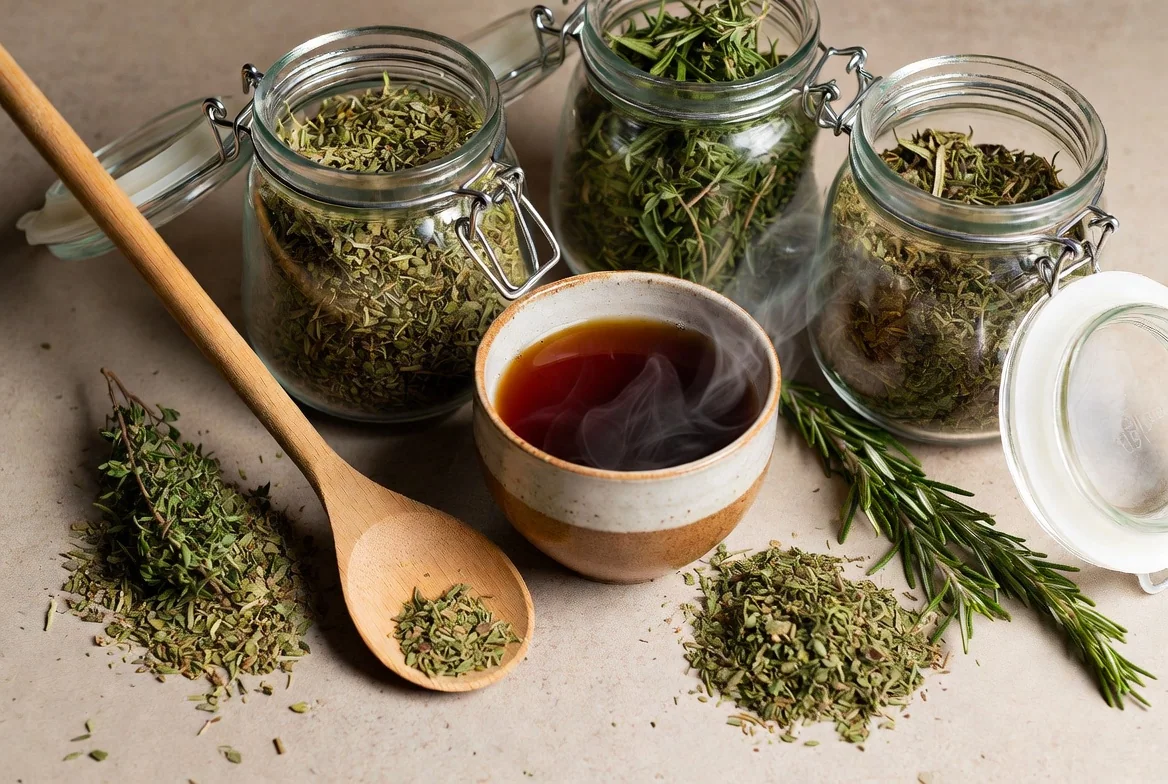
The transition from December into January is often marked by contrast. The end of the year is busy, indulgent, social, and full of food that is richer, heavier, and more varied than usual. January, by comparison, tends to be quieter and more contained. Cooking becomes simpler, routines settle, and many people return to preparing more meals at home.
This moment between seasons is an ideal time for what can be described as a Herbal Rebalance — not as a programme, challenge, or set of rules, but as a practical review of what sits in your kitchen and tea cupboard, and how well it supports the way you actually cook and prepare drinks in everyday life.
A Herbal Rebalance is about removing clutter, refreshing key ingredients, and creating a small, useful collection of dried herbs that can be used across cooking, baking, and herbal infusions. Dried herbs are particularly suited to this purpose because they store well, last a long time, and can be combined in many different ways.
This article introduces seven dried herbs from the Herba Organica range that work especially well as part of a January Herbal Rebalance. Each is versatile, easy to store, and suitable for both beginners and experienced herbal users.
What Is a Herbal Rebalance? 🌱
A Herbal Rebalance is not a detox, cleanse, or reset in the restrictive sense. It does not involve eliminating foods, following plans, or imposing discipline. Instead, it is a quiet, practical exercise:
- Reviewing what you already have
- Removing herbs that are old, stale, or rarely used
- Refreshing your shelf with a small number of high-quality, versatile herbs
- Creating a system that makes everyday cooking and tea preparation easier
In this sense, a Herbal Rebalance is closer to reorganising a bookshelf than changing a lifestyle. It is about making the things you use most often more visible, more accessible, and more pleasant to work with.
January is a natural time for this because:
- People spend more time at home.
- Cooking becomes simpler and more routine.
- There is often a desire for calm, order, and clarity after the intensity of December.
Why Dried Herbs Are Ideal for a Herbal Rebalance 🍃
Dried herbs offer several practical advantages:
- Long shelf life when stored properly
- Stable flavour and aroma over time
- Compact storage in small jars or tins
- Flexibility of use across food and drink
- Easy blending without special equipment
They allow you to build a small working library of ingredients that can be recombined endlessly without cluttering your kitchen.
The seven herbs below form a balanced, flexible base for a Herbal Rebalance.

Lemon Balm Leaf 🍋🌿
Lemon Balm Leaf is light, aromatic, and easy to work with. It sits comfortably between culinary herb and tea ingredient.
Culinary uses
- Flavouring syrups for pancakes, waffles, or baked fruit
- Adding a citrus note to fruit salads or desserts
- Infusing into honey or sugar
Infusion uses
- On its own as a gentle herbal tea
- Combined with Rose Petals or Peppermint Leaf
Storage
Store in an airtight container, away from light and moisture.

Stinging Nettle Leaf 🌿🫖
Nettle Leaf is mild, green, and versatile.
Culinary uses
- Added to soups, broths, and stews to provide a subtle herbal note
- Mixed into savoury breads, crackers, or flatbreads to enhance texture and flavour
- Used in herb seasoning blends for vegetables, roasted dishes, or grain bowls
Infusion uses
- Steeped on its own for a gentle, aromatic herbal tea
- Blended with other herbs to create more complex and balanced infusions
Storage
Keep dry and sealed.
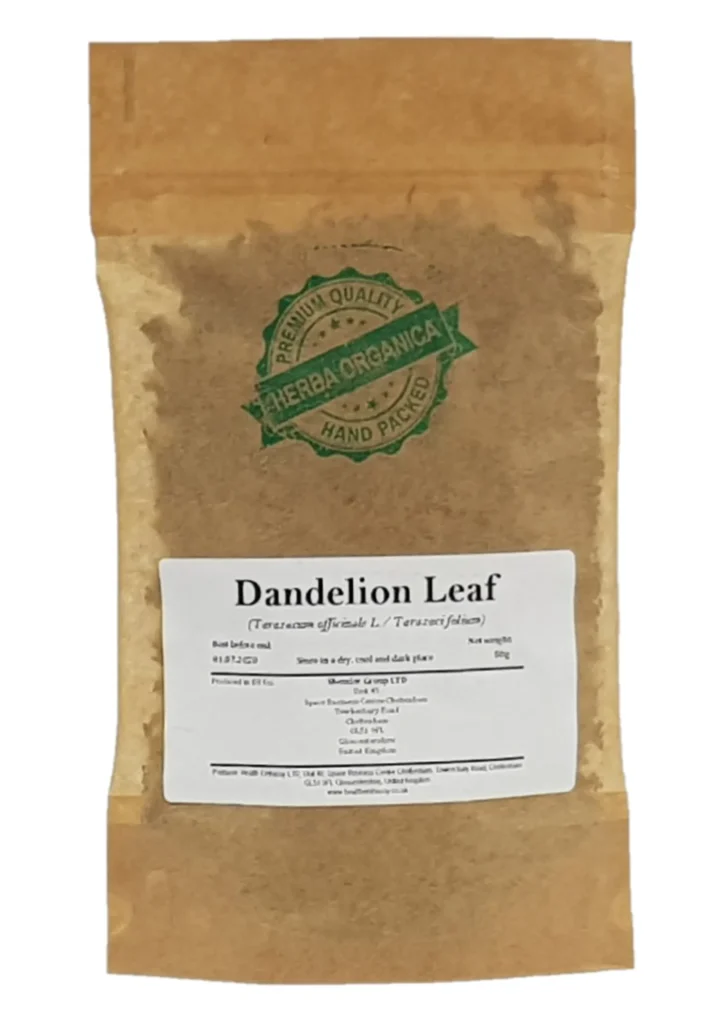
Dandelion Leaf 🌼🍃
Dandelion Leaf adds depth and a slightly more pronounced flavour.
Culinary uses
- Added to vegetable stocks, soups, and stews to enhance depth and richness
- Mixed into herb blends for roasted vegetables or sautéed dishes
- Incorporated into breads, crackers, or savory pastries for subtle herbal flavour
Infusion uses
- Blended with Peppermint Leaf or Nettle Leaf
- Steeped on its own for a gentle herbal infusion
Storage
Store in a dry, dark place.
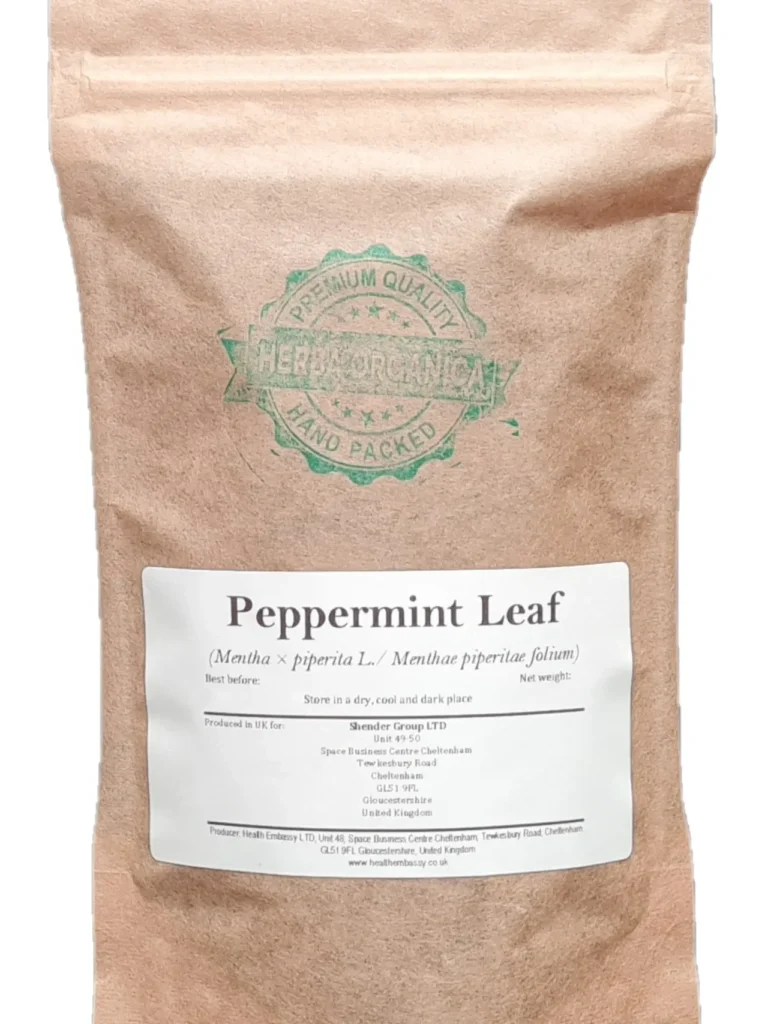
Peppermint Leaf ❄️🌱
Peppermint Leaf adds clarity and freshness.
Culinary uses
- Flavouring desserts, chocolate drinks, fruit salads, or compotes for a refreshing note
- Infused into syrups, sauces, or honey for later use in beverages or baked goods
- Incorporated into homemade chocolate or dessert toppings to provide a subtle mint aroma
Infusion uses
- On its own or blended with Lemon Balm Leaf or Rose Petals
Storage
Seal tightly to preserve aroma.

Silverweed Herb 🌾🌿
Silverweed Herb is gentle and adaptable.
Culinary uses
- Added to grain bowls, porridges, or cooked cereals to provide a soft herbal note
- Mixed into herb butters, spreads, or compound butters for added aroma and taste
- Used as part of seasoning blends for vegetables or roasted dishes
Infusion uses
- Combined with other mild herbs to create soothing herbal blends
- Steeped on its own for a delicate, calming herbal tea
Storage
Dry and dark storage.
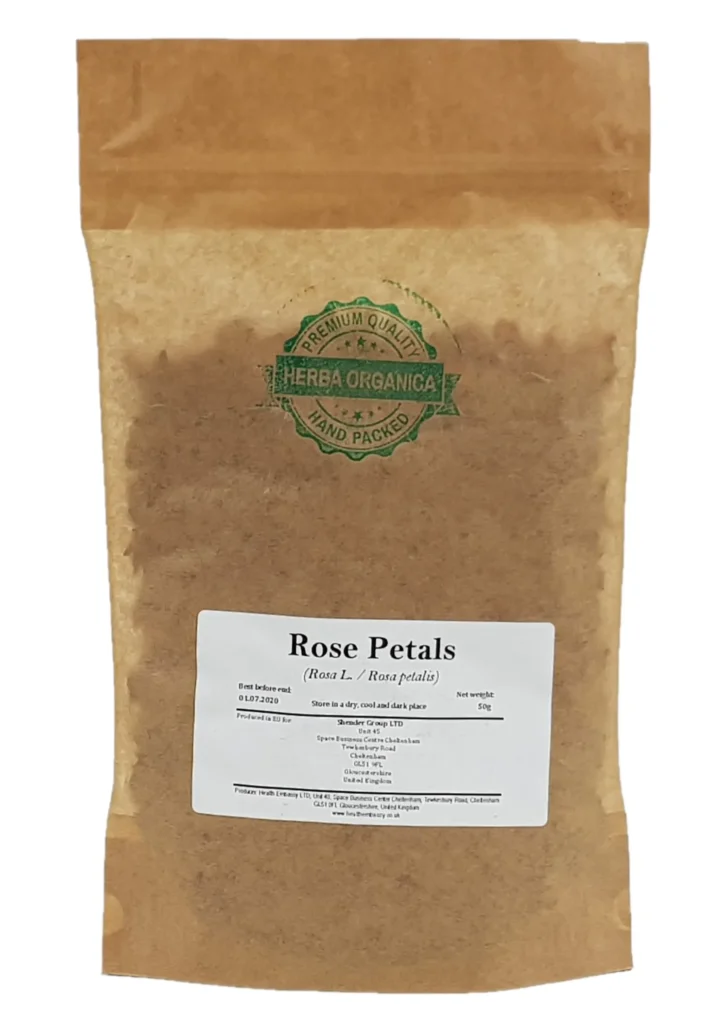
Rose Petals 🌹🍵
Rose Petals add a delicate floral softness and natural aroma to both food and drinks.
Culinary uses
- Flavouring sugar, honey, syrups, and desserts
- Adding a subtle floral note to teas, compotes, and fruit dishes
- Decorating cakes, pastries, and breakfast bowls for a visually appealing touch
- Infusing into simple syrups or honey for later use in beverages or desserts
Infusion uses
- Steeped on their own for a light floral tea
- Blended with other gentle herbs for a more complex infusion
Storage
Keep away from light.

Plantago Ovata Husk 🌾🥣
Plantago Ovata Husk is a neutral and functional ingredient that is highly versatile in the kitchen.
Culinary uses
- Thickening soups and sauces naturally without affecting flavour
- Binding ingredients in baking, such as breads, muffins, or crackers
- Adding structure to breakfast bowls, porridges, or smoothie bowls
- Incorporating into homemade granola or energy bars for improved consistency
Storage
Keep very dry and tightly sealed.
Building Your January Herbal Shelf 🗂️
From these seven, you can prepare:
- Daily loose-leaf teas
- Evening infusions
- Herb breads and crackers
- Syrups, sugars, and dessert flavourings
- Simple seasoning blends
Simple Blending Ideas for a Herbal Rebalance 🫖
- Lemon Balm Leaf + Rose Petals
- Nettle Leaf + Peppermint Leaf
- Dandelion Leaf + Peppermint Leaf
- Lemon Balm Leaf + Silverweed Herb
Use 1–2 teaspoons per cup, adjusting to taste.
Storage and Organisation Tips 📦🏷️
- Use airtight glass jars or tins
- Store away from heat and sunlight
- Label jars with names and dates
- Keep aromatic herbs separate from neutral ones
Good storage is the foundation of a successful Herbal Rebalance.
A Rebalance That Is Calm, Not Extreme 🌿🤍
A Herbal Rebalance is not about improvement, optimisation, or transformation. It is about clarity. It removes excess and replaces it with a small, functional set of ingredients that support everyday cooking and tea preparation.
In doing so, it brings a sense of quiet order to the kitchen — and that is often the most meaningful change of all.
FAQ – Herbal Rebalance
1. What does “Herbal Rebalance” mean in this article?
In this context, Herbal Rebalance refers to a practical review and refresh of the herbs you keep in your kitchen and tea shelf. It focuses on simplifying your collection, replacing rarely used or stale items, and choosing a small number of versatile dried herbs that work well across cooking and infusions.
2. Do I need to replace all my herbs when doing a Herbal Rebalance?
No. A Herbal Rebalance is not about discarding everything. It is about keeping what you use and enjoy, removing what is no longer fresh or relevant, and selectively adding herbs that fit your everyday habits.
3. How often should I do a Herbal Rebalance?
Most people find that once or twice a year is enough. January is a convenient time because it naturally follows a busy season and often coincides with reorganising the kitchen and pantry.
4. Can I use the same herbs for cooking and tea as part of a Herbal Rebalance?
Yes. One of the goals of a Herbal Rebalance is to choose herbs that have multiple uses. Many dried herbs can be used both in savoury or sweet dishes and in loose-leaf infusions, which helps reduce clutter and makes the kitchen easier to manage.
5. How should I store my herbs after a Herbal Rebalance?
Store herbs in airtight containers, away from light, heat, and moisture. Label jars with the herb name and the date you opened or purchased them. Keeping storage consistent helps maintain quality and makes it easier to track what you have. For detailed guidance on drying and storing herbs, see the USDA / NCHFP guide on preserving herbs. This is an excellent reference for anyone implementing a Herbal Rebalance in their kitchen
6. Is a Herbal Rebalance suitable for beginners?
Yes. A Herbal Rebalance is especially useful for beginners because it encourages starting with a small, manageable set of herbs rather than building a large and confusing collection.
7. Does a Herbal Rebalance involve any special rules or restrictions?
No. A Herbal Rebalance is not a plan, programme, or challenge. It is simply a way of organising and refreshing your herbal shelf so that it better reflects how you actually cook and prepare drinks.
Disclaimer
The information on this blog is for educational and informational purposes only. It is not medical advice and is not a substitute for professional healthcare guidance. Always consult with a qualified healthcare professional, such as your doctor or pharmacist, before using any herbal products, especially if you are pregnant, nursing, taking medication, or have a known health condition.