No products in the basket.
❄️ The Forgotten Winter Herbs: Small Plants with Big Benefits 🌿
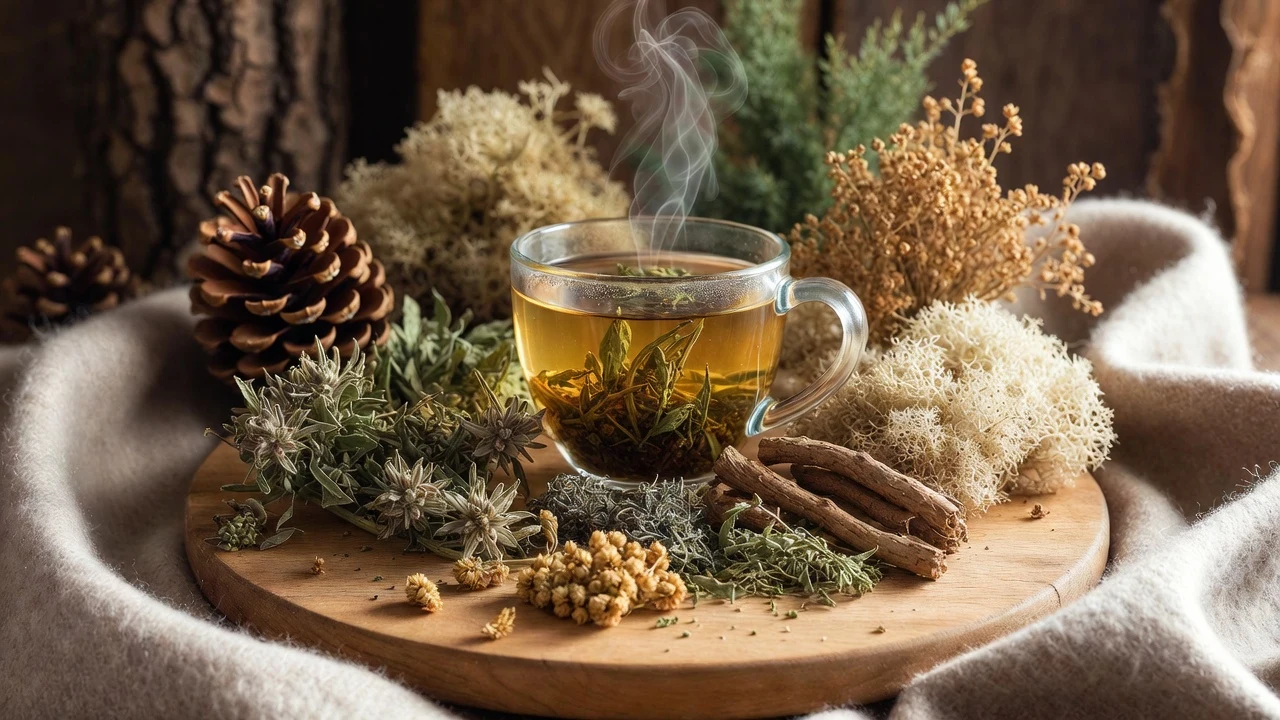
Rediscovering Nature’s Quiet Helpers for the Cold Season
Winter is a season of stillness — frozen ground, bare branches, and landscapes that seem asleep. Yet beneath this calm surface lies a group of remarkable plants that have quietly supported people through cold months for centuries.
These winter herbs 🌿❄️, often overlooked today, were once essential companions for households across Europe and Northern regions.
While popular herbs like ginger, cinnamon, and echinacea dominate winter wellness conversations, many traditional herbalists relied on lesser-known plants such as mugwort, yarrow, marshmallow root, lycopodium herb, and Iceland moss. These herbs were valued not because they were trendy, but because they were resilient, versatile, and deeply connected to seasonal living.
This article introduces you to these forgotten winter herbs — their history, their traditional uses, and how you can gently reintroduce them into your modern winter routine.
🌬️ Why Winter Herbs Matter
Historically, winter was not a time for harvesting fresh plants. Instead, people depended on herbs that:
- 🌿 Could be dried and stored long-term
- ❄️ Thrived in harsh or cold climates
- 🍵 Offered comfort in teas, broths, and rituals
- 🕯️ Played roles in seasonal traditions and home care
Winter herbs are plants of patience, preservation, and quiet strength.
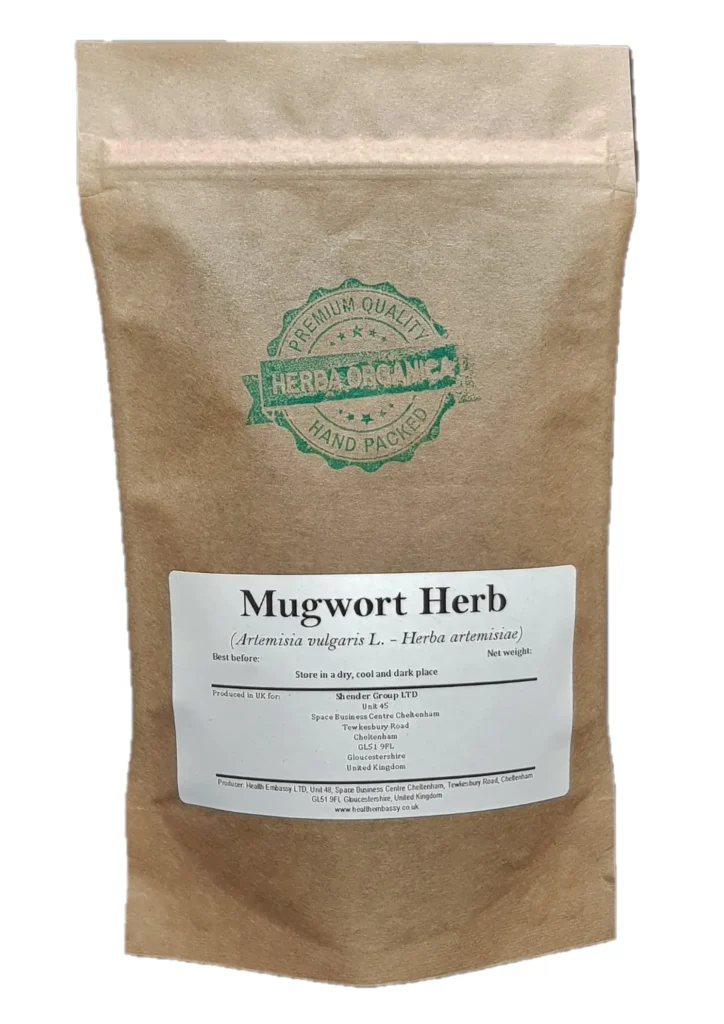
🌿 Mugwort (Artemisia vulgaris): The Herb of Winter Dreams
✨ Symbolism: intuition, transition, protection
Traditional uses:
- Herbal teas and infusions 🍵
- Aromatic bundles and incense 🕯️
- Pillow sachets for seasonal rituals 😴
Mugwort was traditionally associated with the inner world — reflection, rest, and dreams — making it especially meaningful in winter. As the natural world becomes quiet and dormant, mugwort was seen as a companion for slowing down, turning inward, and observing subtle shifts in thought, emotion, and intention.
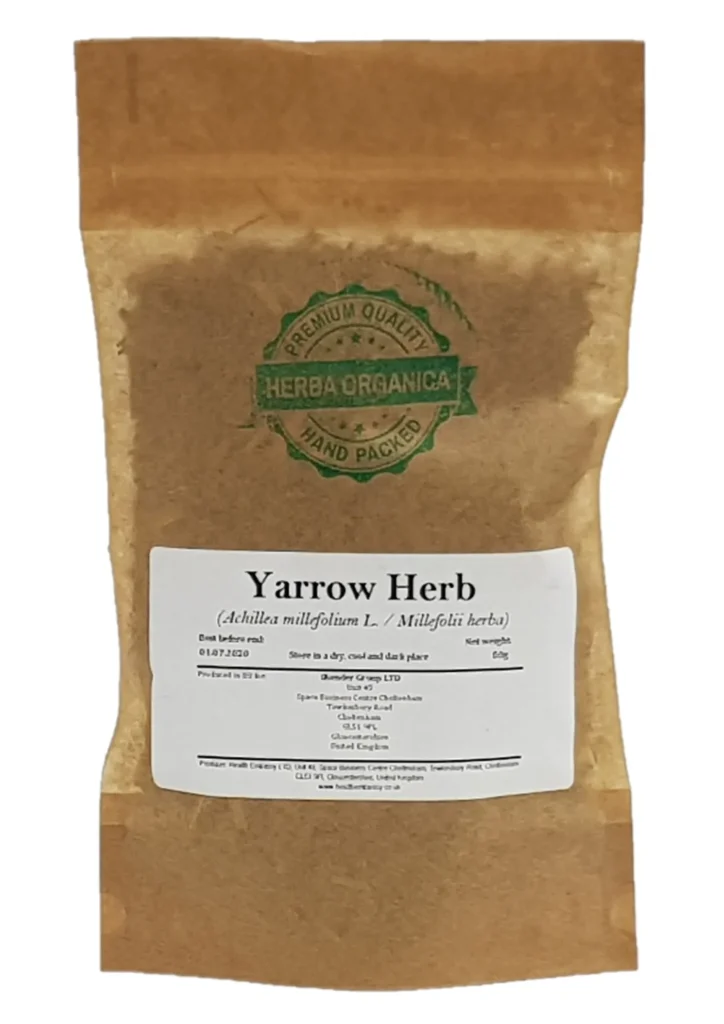
🌼 Yarrow (Achillea millefolium): The Hardy Field Herb
✨ Symbolism: resilience, continuity
Traditional uses:
- Dried winter teas 🍵
- Herbal steams 💨
- Added to winter baths 🛁
Yarrow’s feathery leaves and tiny flowers made it easy to dry and store, providing gentle botanical support throughout the colder months. Even after summer had faded, Yarrow remained present in pantries, apothecary jars, and household rituals — a reminder of the growing season carried into winter.
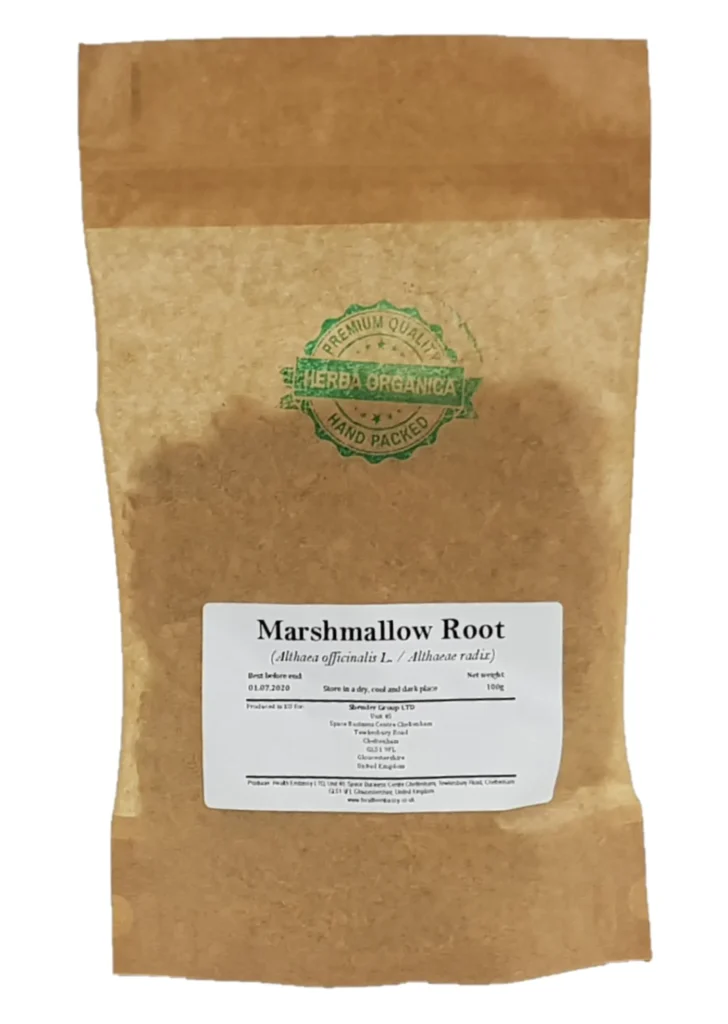
🤍 Marshmallow Root (Althaea officinalis): The Gentle Winter Companion
✨ Symbolism: softness, nourishment, comfort
Traditional uses:
- Infusions and decoctions 🍵
- Added to broths and porridges 🍲
- Skincare and cosmetic preparations 🧴
Its naturally smooth texture made it popular in both food and body care. When soaked or simmered, Marshmallow Root releases a soft, silky quality that shaped how it was traditionally used and understood — as a plant associated with gentleness, moisture, and ease.
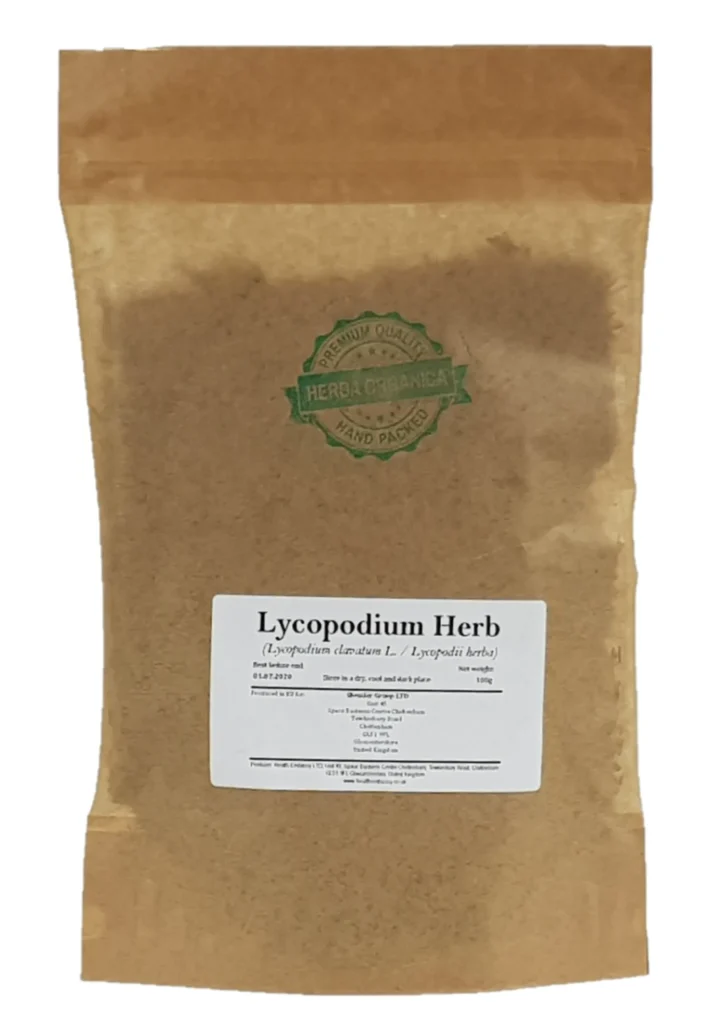
🌲 Lycopodium Herb: The Ancient Forest Relic
✨ Symbolism: longevity, earth memory
Traditional uses:
- Ceremonial incense 🕯️
- Decorative winter botanicals 🎄
- Historical craft and ritual use
Historically, Lycopodium was collected with care and incorporated into ceremonial or decorative arrangements, often to honor the continuity of nature during the cold months. Its long-lasting spores and resilient structure inspired associations with longevity, memory, and the unseen cycles of the earth.
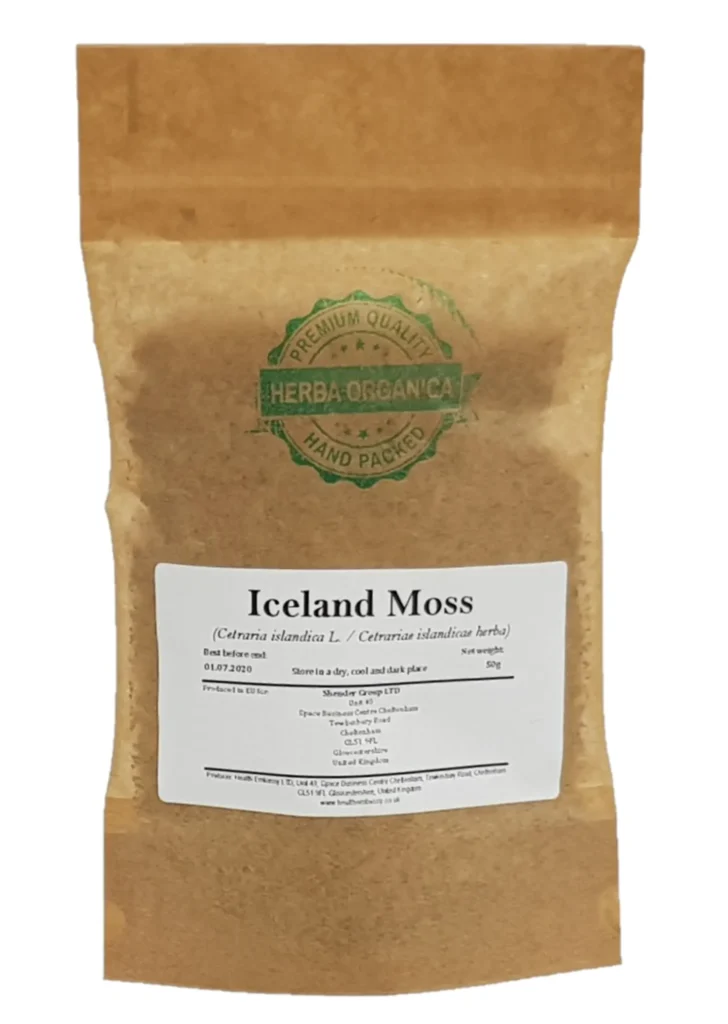
❄️ Iceland Moss (Cetraria islandica): The Northern Survivor
✨ Symbolism: endurance, survival
Traditional uses:
- Cooked into porridges and soups 🍲
- Added to rustic breads 🍞
- Brewed into traditional bitter teas 🍵
Iceland Moss sustained communities when little else could grow. In northern climates with short growing seasons and long, harsh winters, it became a valuable part of traditional food culture — not as a luxury, but as a quiet staple that bridged the gap between scarcity and nourishment.
🍵❄️ Winter Herb Recipes (Simple & Traditional)
These recipes are culinary, aromatic, and traditional — not medical.
🍵 Marshmallow Root Winter Infusion
A soft, comforting drink for cold evenings.
You’ll need:
- 1 tbsp dried Marshmallow Root
- 500 ml cold or warm water
Method:
Place the dried Marshmallow Root into a teapot or jar and pour over the water, using cold water for an overnight infusion or warm water for a quicker brew. Allow the roots to steep for 2–4 hours, or overnight if using cold water, so they release their gentle essence. Once infused, strain the liquid into your favourite cup and, if desired, warm gently before drinking.
🍲 Iceland Moss Rustic Soup
A traditional northern-style comfort dish.
You’ll need:
- 2 tbsp soaked Iceland Moss
- Vegetable broth
- Onion, carrot, bay leaf
Method:
Soak the Iceland Moss in cold water for 1 hour and then rinse it thoroughly. Simmer gently in broth with your chosen vegetables for 20–30 minutes, allowing the flavors to meld, and finish by seasoning lightly with salt and herbs.
🍞 Yarrow Winter Bread (Herbal Accent)
Bring a touch of the winter meadow to your table with this subtle herbal loaf. Yarrow adds an earthy, aromatic note that transforms a simple bread into a seasonal treat, perfect for cozy winter meals.
You’ll need:
- Your favourite bread dough
- 1 tsp finely cut dried Yarrow Herb
Method:
Gently knead the Yarrow Herb into your bread dough, ensuring it is evenly distributed to infuse the loaf with its delicate herbal aroma. Shape and bake the bread according to your recipe’s instructions. Once baked, the loaf will carry a soft, fragrant note reminiscent of frosty fields and winter gardens. Enjoy it warm with butter, soups, or simply on its own as a comforting seasonal snack.
🌿 Mugwort Winter Tea Blend
A warming, aromatic herbal tea that brings a touch of winter meadow into your cup. Using dried and cut Mugwort, this tea is perfect for slow, mindful moments during the colder months.
You’ll need:
- 1 tsp dried Mugwort Herb
- 250 ml hot water
- Optional: a slice of lemon or a cinnamon stick for extra seasonal aroma
Method:
Place the Mugwort Herb in a teapot or heatproof cup and pour over hot water. Allow it to steep gently for 5–10 minutes so the herb releases its delicate aroma and flavor. Strain into your favourite cup and, if desired, add a slice of lemon or a small cinnamon stick to create a festive, cozy twist. Sip slowly and enjoy the subtle, earthy fragrance that evokes frosty winter meadows and traditional herbal heritage.
🛁 Marshmallow & Yarrow Winter Bath
A comforting botanical bath blend perfect for cozy winter evenings.
Ingredients:
- 2 tbsp dried Marshmallow Root
- 1 tbsp dried Yarrow Herb
Method:
Place the Marshmallow Root and Yarrow Herb in a heatproof bowl or jar and pour over hot water. Let the herbs steep for 15 minutes so they release their gentle fragrance and soothing botanical essence. Strain the infusion and pour it into your bath, stirring lightly to distribute the herbs. Immerse yourself and enjoy the calming aroma and warm, relaxing atmosphere. This simple winter bath is a wonderful way to unwind, bringing a touch of herbal tradition and seasonal comfort into your home.
🛒 Discover Winter Herbs with Herba Organica
At Herba Organica, we carefully select and prepare botanicals that honor tradition, quality, and sustainability. Each of our Winter Herbs is thoughtfully collected from the wild, ensuring that the plants are harvested at their peak while respecting natural ecosystems. After careful selection, the herbs are hand-packed into resealable bags to preserve their freshness, aroma, and delicate qualities.
✨ Explore our curated collection of rare and seasonal herbs, reconnect with centuries of herbal wisdom, and bring the quiet magic of winter into your home with Herba Organica. Whether for teas, culinary creations, baths, or aromatic rituals, our winter herbs offer a truly authentic and high-quality experience.
❓ Winter Herbs – Frequently Asked Questions
1. What winter herbs are?
Winter herbs are plants that were traditionally harvested, dried, and stored for use during the colder months when fresh herbs were unavailable. They usually come from hardy species that grow in cold or northern climates and were valued for culinary, aromatic, household, and cultural uses throughout winter.
2. How winter herbs were traditionally used?
Historically, winter herbs were not only used for teas. They were also included in cooking such as soups and breads, used in aromatic rituals and incense, added to baths and skincare, and displayed decoratively during seasonal celebrations.
3. Whether winter herbs are medicinal?
Some winter herbs were part of traditional herbalism, but this article focuses on their historical, cultural, and culinary significance rather than medical applications. Today many people enjoy winter herbs simply for their flavour, aroma, and seasonal character.
4. How often winter herbs can be used?
Winter herbs are traditionally used seasonally and in moderation. They are best seen as part of a varied and balanced lifestyle rather than something used continuously throughout the year.
5. Why many winter herbs became forgotten?
As global trade expanded and imported spices and supplements became common, many local European herbs such as mugwort, yarrow, and Iceland moss gradually disappeared from everyday use, even though they were once widely known and valued.
6. Whether winter herbs fit into modern homes?
Winter herbs can easily be incorporated into modern life through herbal teas and blends, simple seasonal recipes, botanical baths and steams, aromatic sachets, and natural home décor.
7. Where to find quality winter herbs?
It is important to choose herbs that are responsibly sourced, carefully dried, and properly stored. Discover these rare herbs in our Herba Organica collection and explore a curated range of traditional winter herbs prepared with care.
8. What herbs are in season in winter?
Winter herbs are plants that thrive in cold or dormant seasons and can be harvested or used dried. Common examples include mugwort, yarrow, marshmallow root, lycopodium, Iceland moss, rosemary, thyme, sage, and bay leaf. Many of these herbs are hardy, can be stored long-term, and are traditionally used in teas, culinary recipes, aromatic rituals, and seasonal home preparations.
Disclaimer
The information on this blog is for educational and informational purposes only. It is not medical advice and is not a substitute for professional healthcare guidance. Always consult with a qualified healthcare professional, such as your doctor or pharmacist, before using any herbal products, especially if you are pregnant, nursing, taking medication, or have a known health condition.