No products in the basket.
🌷 Spring Tea Rituals: 5 Simple Herbal Blends for Everyday Moments
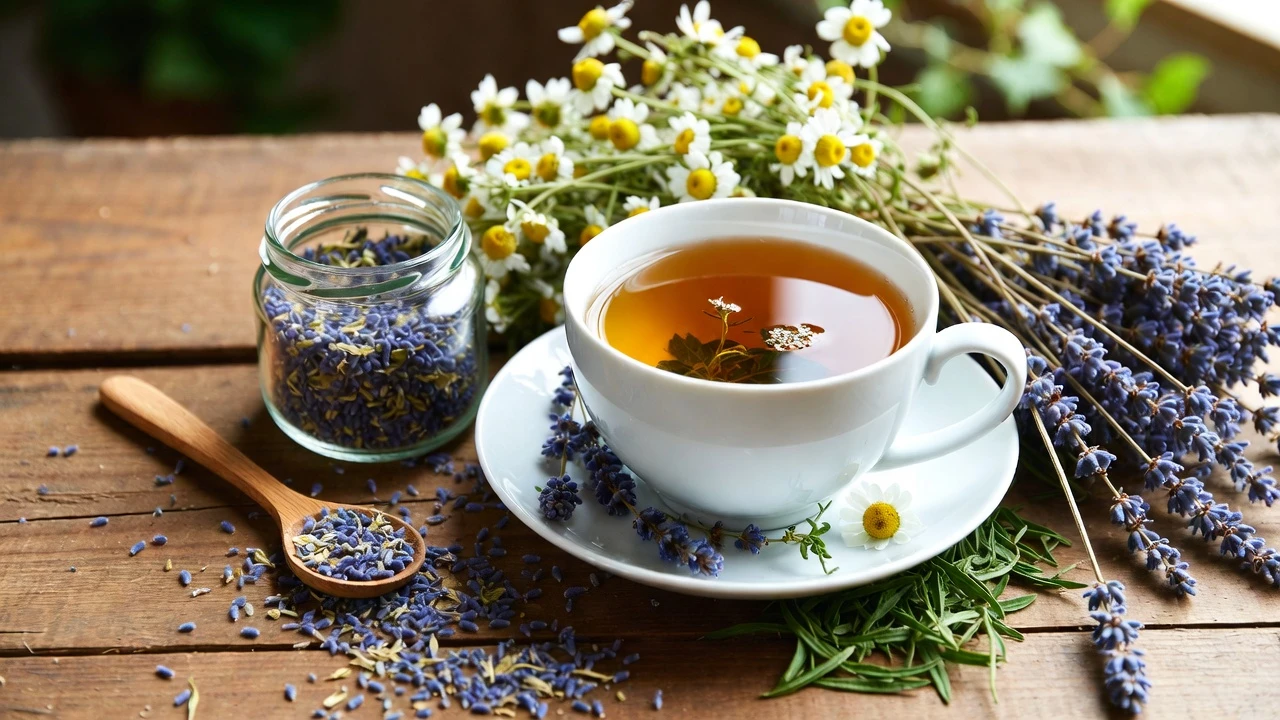
Spring is the perfect season to refresh your daily routines, and one of the simplest ways to do that is through Spring Tea made from dried herbs. After months of winter, when heavier foods and warm beverages are common, spring invites lighter, fresher flavors and easy rituals that can fit into any part of your day. Herbal Spring Tea made from dried herbs is practical, versatile, and easy to use, making it an excellent way to create small, mindful moments throughout the season 🌿.
This guide will show you how to incorporate Spring Tea into your daily life, including simple blends for morning, afternoon, and evening, as well as tips for preparation, storage, and creating your own blends at home. Everything here is easy to follow, friendly, and adaptable — no complicated recipes or equipment required.
🌼 Why Spring Tea Is Perfect for Daily Rituals
Spring is a season of change, and daily routines often shift along with it. You may notice mornings feeling brighter, a desire for lighter drinks, or moments when a short pause would be refreshing. Drinking teas for spring is an easy way to fit these small pauses into your day because it is easy to prepare, flexible in flavor, and doesn’t take much time.
Unlike coffee or other caffeinated beverages, Spring Tea can be enjoyed any time of day, hot or cold, depending on the weather and your preference. It works well for cooler mornings when a warm cup feels comforting, or warmer afternoons when a light cold infusion is refreshing.
Herbal Spring Tea rituals also help create small, enjoyable moments that add structure and comfort to your day without feeling rigid. Even five minutes to prepare and enjoy a cup can give your mind a break and add a little pleasure to your daily routine 🌸.
🍃 Choosing Herbs for Spring Tea
Spring Tea usually focuses on lighter, aromatic, and leafy herbs rather than the heavier flavors often used in winter teas. Choosing the right herbs ensures that your tea feels refreshing and easy to drink throughout the season.
Common dried herbs for Spring Tea include:
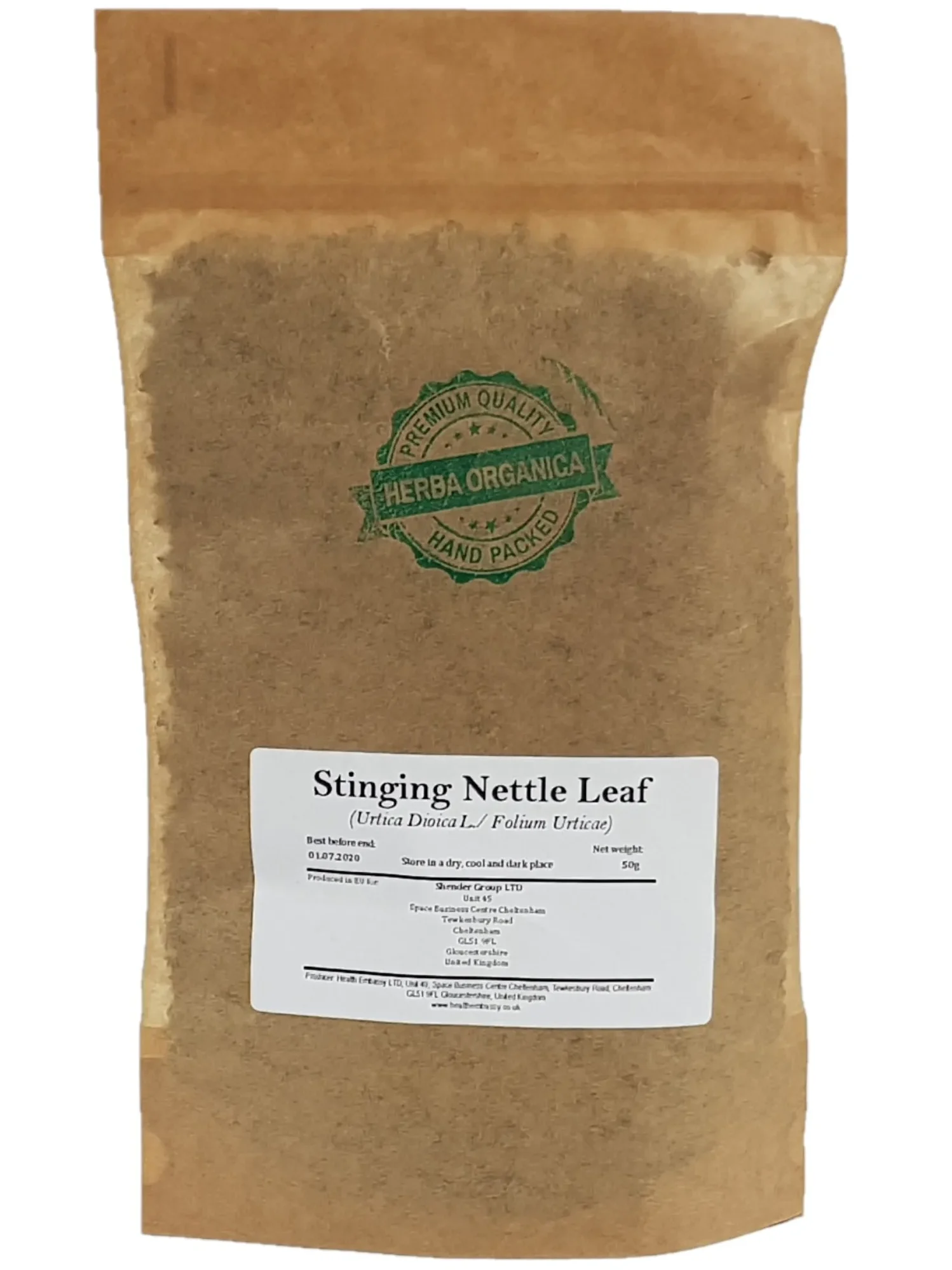
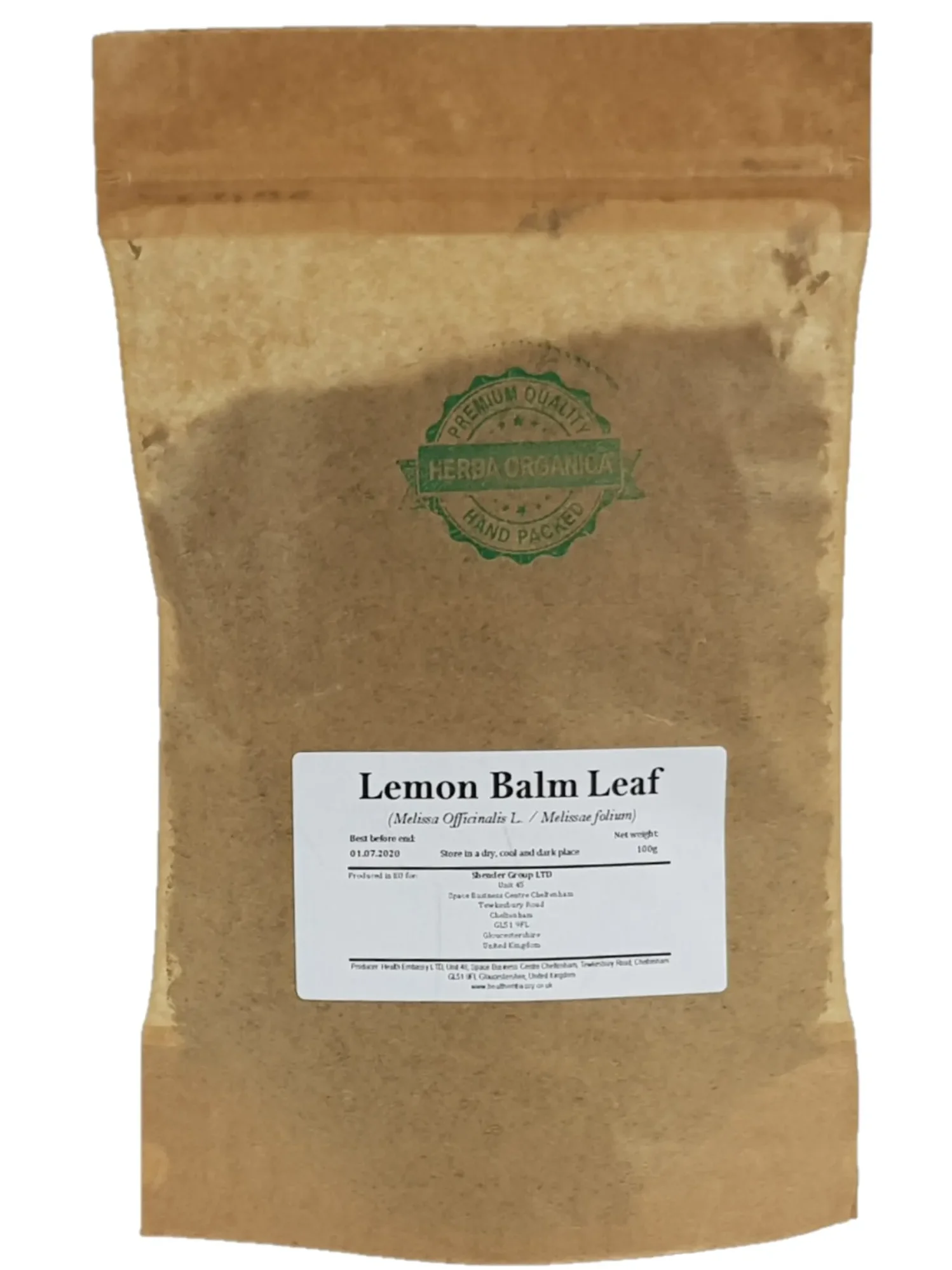
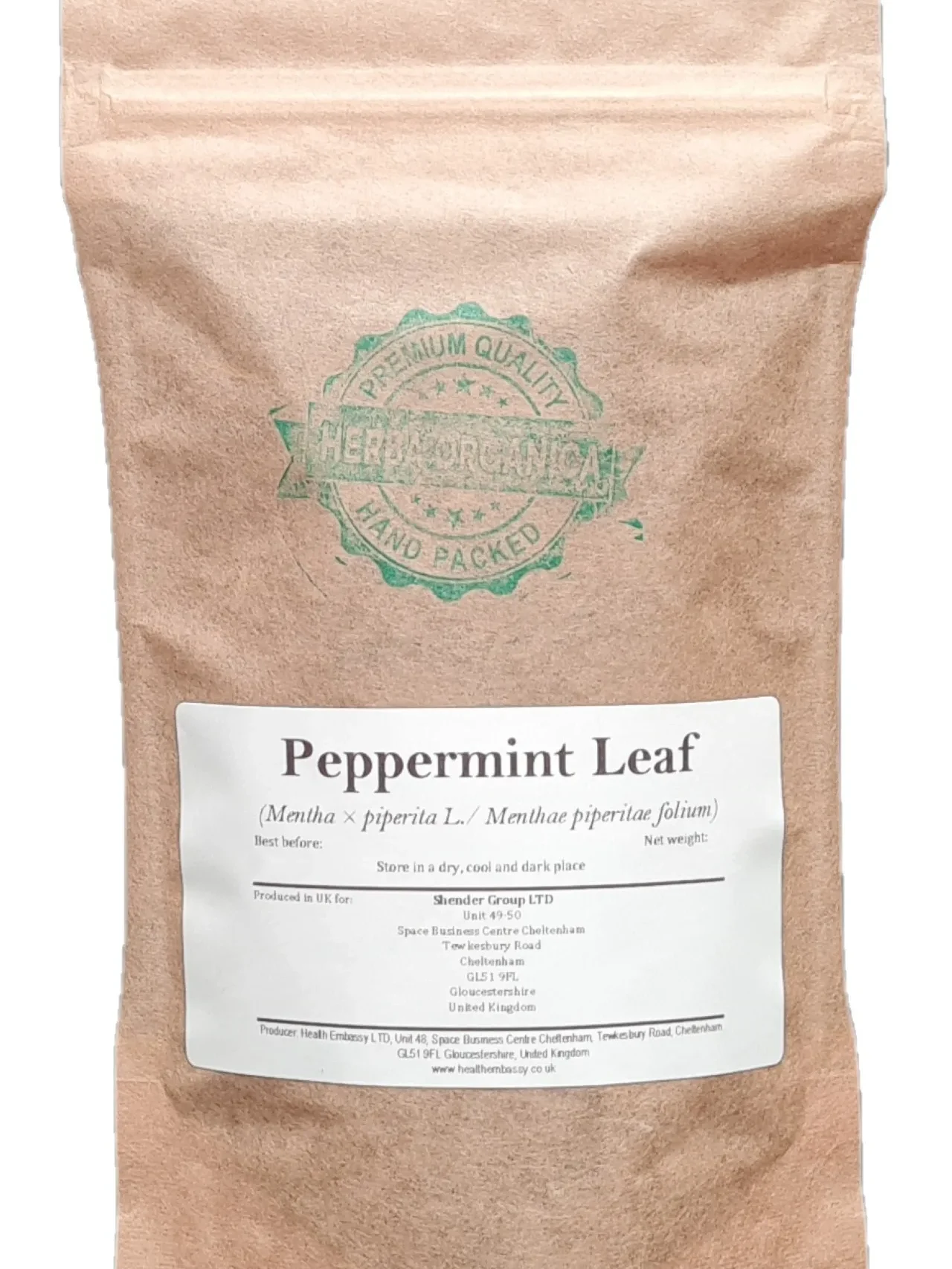

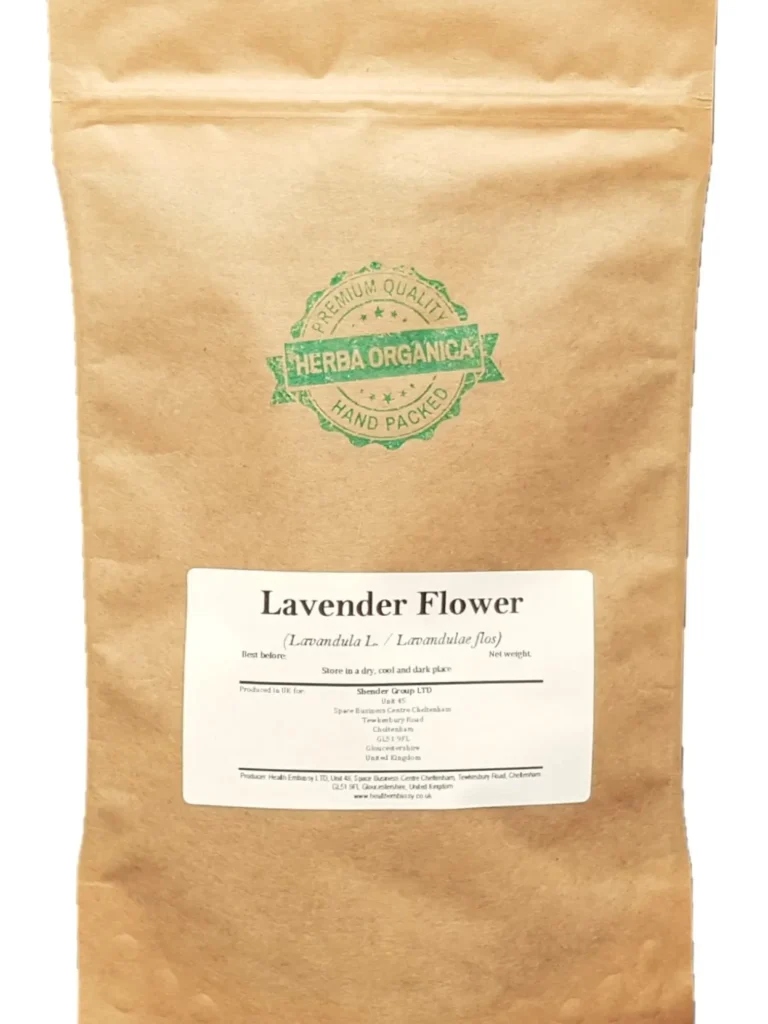
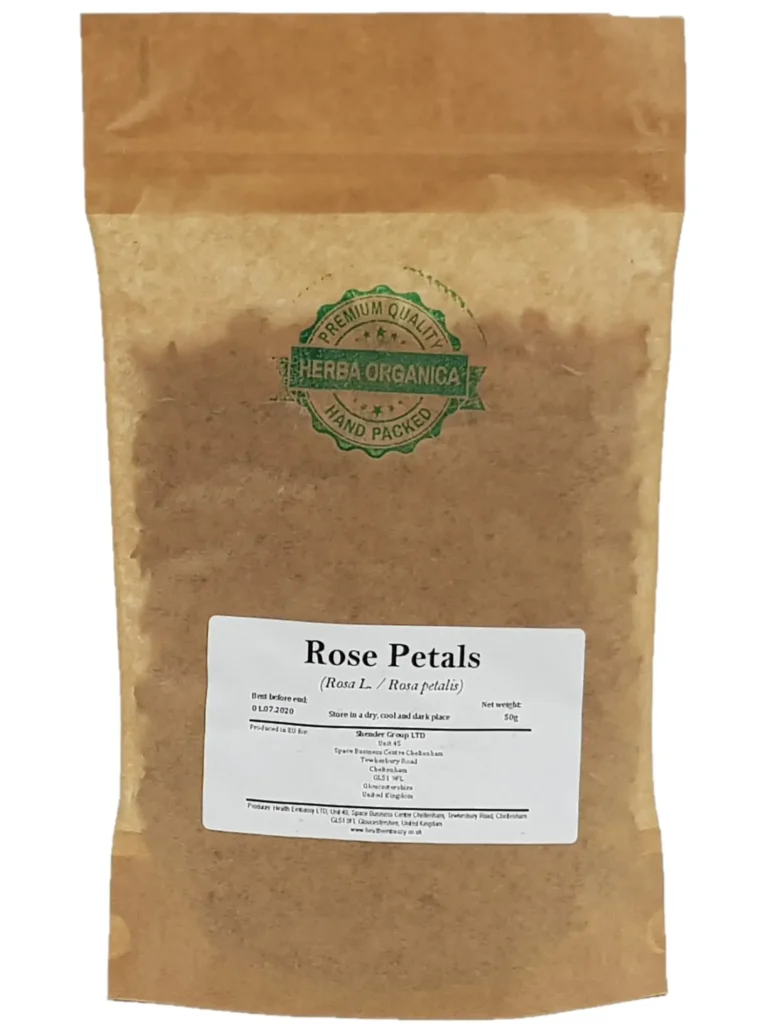
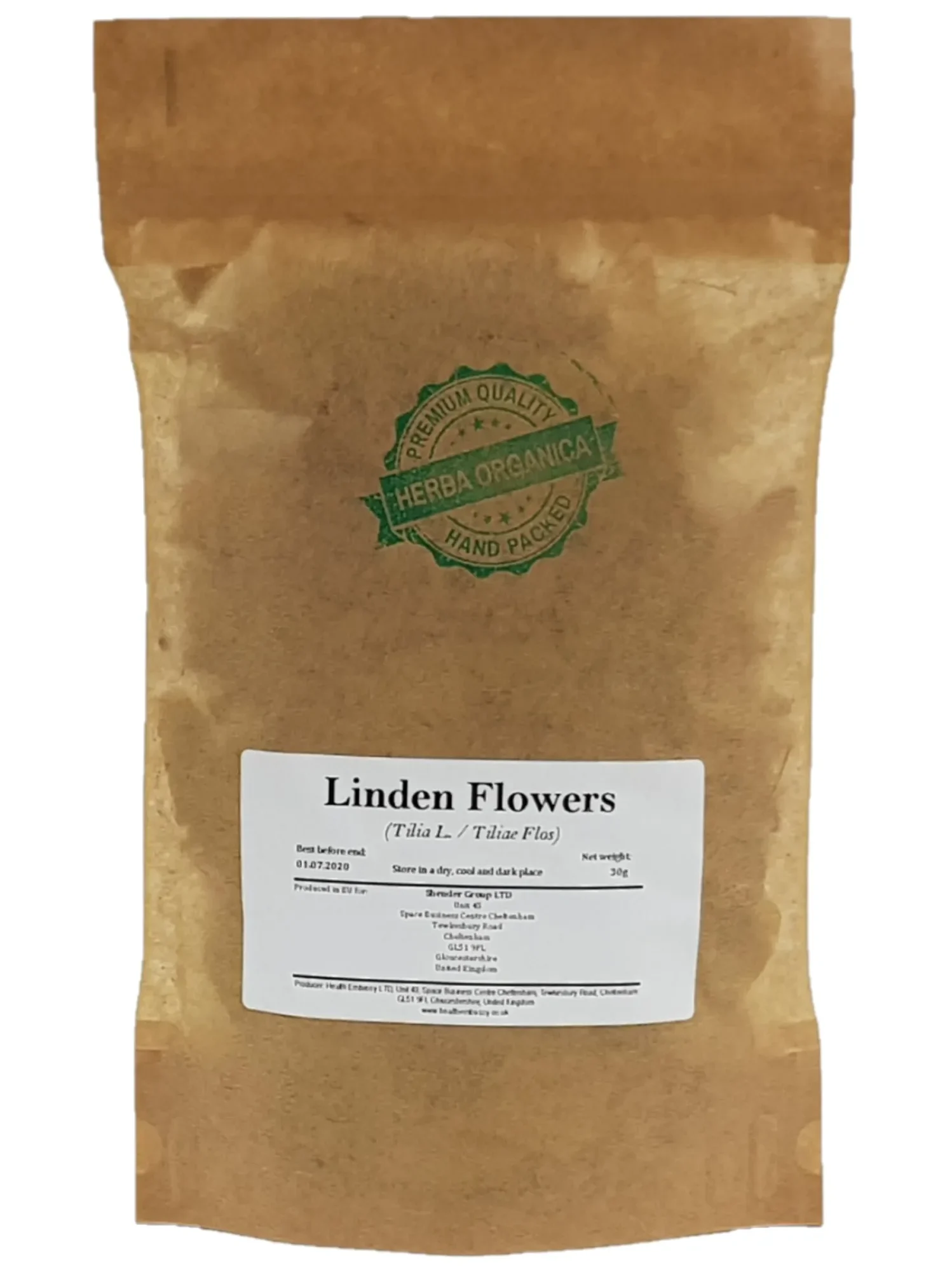
When creating a Spring Tea blend, it’s best to use 2–3 herbs together to keep the flavor balanced. You can mix leaves, flowers, and even a small amount of dried citrus peel for variety.
🌞 Morning Ritual: Fresh and Energizing Spring Tea
Starting your day with Spring Tea is a simple way to feel awake and ready for whatever comes next without relying on strong coffee. A morning tea ritual doesn’t need to take long — it can be prepared while you get dressed, or as you sit at the table to start your day.
🌿 Morning Spring Tea Blend Example
Ingredients:
- Nettle leaf – 1 teaspoon
- Lemon balm – ½ teaspoon
- Peppermint – ½ teaspoon
Instructions:
- Place the dried herbs in a teapot or infuser.
- Pour hot water over the herbs (not boiling, around 90°C).
- Steep for 5–7 minutes.
- Remove herbs and pour into your cup.
- Sip slowly and enjoy your first Spring Tea of the day.
This combination is light, aromatic, and refreshing, giving a gentle start to your morning while keeping the flavors simple and enjoyable. You can add a slice of lemon if you prefer a slightly brighter taste 🍋.
☕ Midday Pause: Refresh with Spring Tea
Midday often brings a drop in energy and a pile-up of tasks. Taking a short break to enjoy a cup of Spring Tea is an easy way to reset, even if it’s just a few minutes. This moment can be paired with a short walk, a stretch, or sitting quietly while sipping your tea.
🌸 Midday Spring Tea Blend Example
Ingredients:
- Lemon balm – 1 teaspoon
- Chamomile flowers – ½ teaspoon
- Rose petals – ½ teaspoon
Instructions:
- Combine the herbs in a cup or small teapot.
- Pour hot water over them and steep for 5–8 minutes.
- Strain and enjoy your Spring Tea.
This blend is gentle and floral, perfect for any time during the day. Serving it in a glass cup adds a visual touch that makes the pause feel a little more special 🌷.
🌤️ Afternoon Light: Cold Spring Tea Infusions
As temperatures rise in spring, a light cold infusion can be a refreshing alternative to hot tea. Cold Spring Tea is easy to prepare, looks beautiful, and can be stored in the fridge for a few hours, making it convenient for busy afternoons.
❄️ Cold Spring Tea Tips
- Use 1–2 teaspoons of dried herbs per cup of cold water.
- Place herbs in a jar or bottle, pour cold water over them, and cover.
- Let it steep in the fridge for 4–8 hours.
- Strain before drinking.
🍋 Afternoon Cold Spring Tea Blend
Ingredients:
- Peppermint – 1 teaspoon
- Lemon balm – 1 teaspoon
- Dried lemon peel – a small pinch
Cold infusions are refreshing and easy to drink, and adding ice cubes or slices of fresh fruit makes them visually appealing and extra enjoyable 🌿.
🌅 Evening Ritual: Slow Down with Spring Tea
Evening is a time to wind down and transition from activity to rest. Drinking Spring Tea in the evening can help create a moment of calm, making it a simple and pleasant ritual after a long day. Most spring herbal teas are caffeine-free, which makes them suitable for evenings.
🌙 Evening Spring Tea Blend Example
Ingredients:
- Chamomile flowers – 1 teaspoon
- Lavender flowers – ½ teaspoon
- Linden flowers – ½ teaspoon
Instructions:
- Place herbs in a teapot or cup.
- Pour hot water over them and steep for 5–7 minutes.
- Strain and enjoy.
This tea is light and soothing, perfect to sip while relaxing, reading, or reflecting on your day ✨.
🌱 Creating Your Own Tea Blends
One of the biggest benefits of using dried herbs is that you can easily create your own tea blends to match your taste and daily needs. A simple way to start is with 2–3 herbs, adjusting the amount of each until the flavor feels balanced.
🫙 Tips for DIY Spring Tea
- Use mostly leaves for a lighter base, then add flowers for aroma.
- Start with small quantities to test the flavor.
- Label jars with the blend name and date for easy reference.
- Store herbs in airtight containers away from heat and light.
By creating your own blends, you can enjoy Spring Tea that fits your personal preference and experiment with new combinations throughout the season 🌿.
🌸 Everyday Moments for Spring Tea
Spring Tea doesn’t need special occasions. It works naturally in simple, everyday moments, such as:
- 🌞 Morning routines by the window
- 📖 Reading a few pages of a book
- 🧘 Stretching or practicing mindfulness
- 🕯️ Lighting a candle while enjoying your tea
- ✍️ Writing a short journal entry or to-do list
Even a short five-minute tea break can make a noticeable difference in your day, especially when spring encourages lighter routines and more outdoor activity.
🍵 Loose Herbs vs Tea Bags
If you’re new to herbal tea, spring is a great time to try loose dried herbs. Loose tea offers several benefits over pre-packaged tea bags:
- Full control over flavor and strength
- The ability to mix and match herbs
- Fresher taste and more aroma
- Easy to experiment with new blends 🌱
You don’t need fancy equipment — a simple teapot, infuser, or cup with a strainer is enough to prepare your tea efficiently.
🌷 Making Spring Tea Part of Your Seasonal Routine
Incorporating Spring Tea into your daily routine doesn’t require perfection — it’s about creating small, enjoyable moments that naturally fit your day. Morning, afternoon, and evening blends can help you stay refreshed, calm, and mindful, while also allowing you to explore new flavors and combinations.
As the season progresses, you can adjust your blends or try cold infusions, making tea a flexible and practical part of your daily life 🌸💚.
✅ Practical Tips
- Keep a small collection of your favorite dried herbs accessible for easy preparation.
- Experiment with ratios to find flavors you enjoy most.
- Use clear cups to highlight the color and texture of your blends.
- Incorporate tea into daily pauses for a small but meaningful mindfulness practice.
Even simple routines like these can help your day feel more structured, enjoyable, and refreshing, especially during the seasonal transition from winter to spring 🌿.
🌱 Final Thoughts
Spring Tea is a practical, enjoyable, and flexible way to refresh your daily routines and create small moments of enjoyment throughout your day. Using dried herbs, you can make morning, afternoon, and evening blends that are easy to prepare, flavorful, and visually appealing.
These tea rituals don’t need to be complicated — the goal is to create small, intentional moments that fit naturally into your life, helping you feel more mindful, relaxed, and connected to the season.
Whether you are sipping a warm cup in the morning, a light floral blend in the afternoon, or a calming tea in the evening, Spring Tea can make your days feel fresher, lighter, and more enjoyable 🌷💚
🌿 Spring Tea FAQ: Your Questions Answered
1. What is Spring Tea?
Spring Tea is a type of herbal tea made with dried herbs, flowers, or leaves that are perfect for the spring season. It usually features light, fresh, and aromatic flavors that match the lighter, more energetic days of spring 🌸.
2. Which herbs are best for Spring Tea?
Common herbs for Spring Tea include: nettle leaf, lemon balm, peppermint, chamomile, lavender, rose petals, and linden flowers 🌼. You can mix 2–3 herbs to create a balanced and flavorful cup.
3. How do I make Spring Tea from dried herbs?
To make tea:
- Add 1–2 teaspoons of dried herbs to a cup or teapot.
- Pour hot water (not boiling) over the herbs.
- Steep for 5–8 minutes.
- Strain and enjoy hot, or cool in the fridge for a refreshing cold infusion ❄️.
4. Can Spring Tea be enjoyed cold?
Yes! Cold tea is a great option for warmer spring afternoons. Simply steep dried herbs in cold water in the fridge for 4–8 hours, then strain and serve over ice. Herbs like peppermint, lemon balm, and citrus peels are perfect for cold infusions 🍃.
5. Is Spring Tea caffeinated?
Most Spring Tea blends made from dried herbs are naturally caffeine-free, making them suitable for morning, afternoon, or evening without affecting sleep.
6. Can I create my own tea blends?
Absolutely! Creating your own tea blends is simple. Start with 2–3 herbs, mix leaves and flowers, adjust quantities for flavor, and store in airtight containers. Personalizing your blend lets you enjoy the herbs you love most 🌱.
7. How should I store dried herbs for Spring Tea?
Store dried herbs in airtight jars, away from heat, sunlight, and moisture. This keeps your herbs fresh and aromatic for longer, ensuring every cup of tea tastes great 💛🌼.
Disclaimer
The information on this blog is for educational and informational purposes only. It is not medical advice and is not a substitute for professional healthcare guidance. Always consult with a qualified healthcare professional, such as your doctor or pharmacist, before using any herbal products, especially if you are pregnant, nursing, taking medication, or have a known health condition.