No products in the basket.
Herbal Pantry: 5 Inspiring Ways to Use Herbs Beyond the Teapot🌿
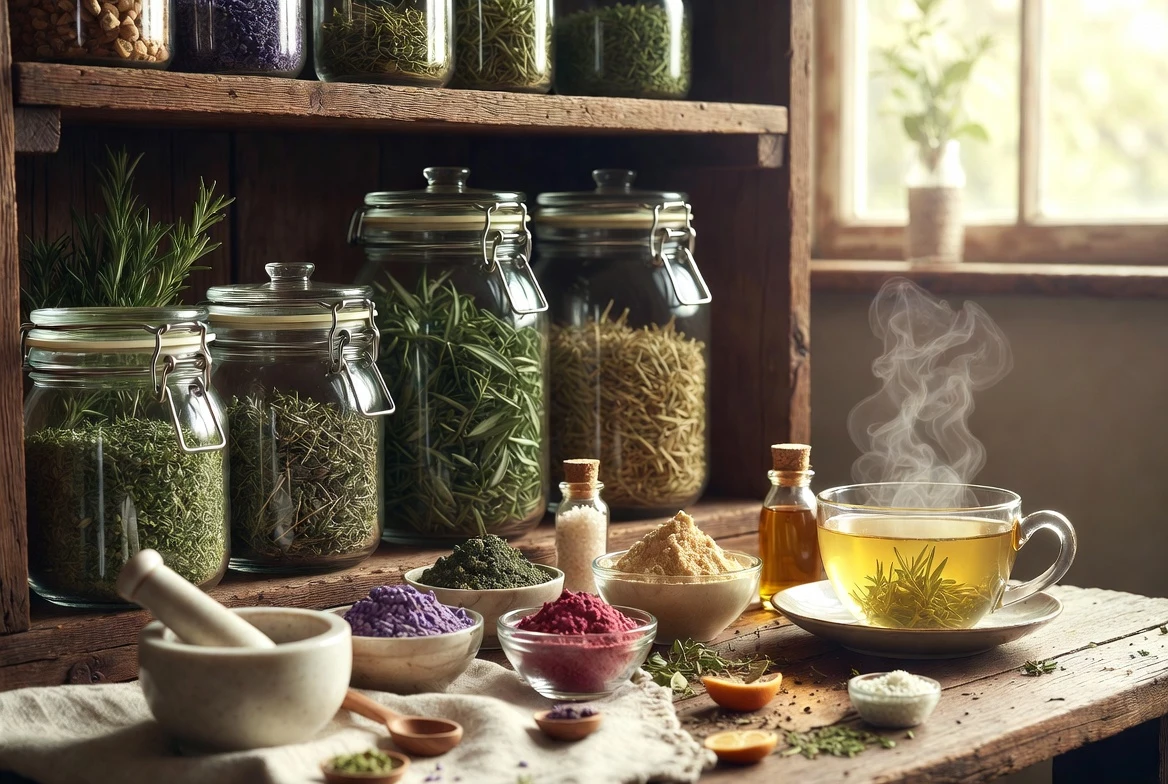
For many people, the herbal pantry is something quiet and decorative — a row of glass jars filled with leaves, flowers, roots, and seeds that come out only when it is time to brew a cup of tea 🍵. But herbs are far more than a beverage ingredient. They are one of the most versatile natural tools available to us, bridging culinary creativity, home rituals, sensory experience, and traditional self-care.
A well-curated herbal pantry is not just a collection — it is a working library of flavours, aromas, textures, and plant traditions 🌱. When you begin to look at herbs this way, their potential expands dramatically. They move beyond the infuser and into your kitchen, your home, your daily routines, and your creative life.
At Herba Organica, we work with herbs that are carefully selected, gently dried, and hand-packed with attention to preserve their natural character 🌼. That quality matters not only for taste, but also for how herbs behave when you grind them, infuse them, simmer them, or use them in crafts and topical preparations.
This guide explores five unexpected but practical ways to use your herbal pantry — all simple, accessible, and grounded in everyday life. These ideas require no special equipment, no advanced training, and no complicated processes. Just curiosity, good ingredients, and a willingness to let herbs play a bigger role in your home 💚.
Craft Culinary Magic with Herbalised Pantry Staples 🧂🍯
One of the easiest and most effective ways to use herbs beyond tea is to transform ordinary kitchen ingredients into herbalised staples. These are ingredients you already use daily — salt, sugar, oil, honey, vinegar — enhanced with herbs so that every meal becomes more aromatic, layered, and interesting 🍽️.
Why herbalise your pantry?
Instead of adding herbs only at the moment of cooking, you infuse them into your base ingredients ahead of time. This allows flavours to mature, integrate, and soften, creating a more balanced result.
How to get started
Choose one staple and one herb. Begin small.
Herbal Salt
Mix finely crushed dried herbs with high-quality sea salt. For example:
- Lemon Verbena Leaf for citrus brightness 🍋
- Thyme Herb for savoury dishes 🌿
- Lavender Flower (very sparingly) for sweet or floral applications 💜
Store in a sealed jar for one to two weeks before using.
Infused Honey
Gently warm raw honey and add Chamomile Flowers, Lavender, or Rose Petals 🌼🌹. Allow it to infuse for two weeks, then strain if desired.
How to use them
- Sprinkle herbal salt over roasted vegetables or eggs 🥔🍳
- Drizzle floral honey over yoghurt, porridge, or pancakes 🥞
- Use herbal vinegar in dressings and marinades 🥗
These preparations allow herbs to become part of your everyday cooking rather than something reserved for special moments.
Create Potent Powders for Simple Nutritional Additions 🌿✨
Grinding dried herbs into powders is one of the most underused techniques in home herbalism. Powders are convenient, concentrated, and easy to incorporate into food without altering texture significantly.
The basic method
Use a clean spice grinder or coffee grinder. Grind small batches and sift for uniformity. Store powders in airtight containers away from light 🫙.
Useful powdered herbs
Nettle Leaf Powder 🍃
Earthy, green, and mineral-rich. Can be stirred into soups, sauces, pasta dough, or smoothies.
Rose Hip Powder 🌹
Bright, slightly tangy, and naturally colourful. Excellent in yoghurt, oatmeal, energy balls, or baking.
Mullein Flower Powder 🌼
Very mild, suitable for gentle blends and traditional preparations.
Powders allow herbs to become part of your daily nutrition without changing your cooking habits significantly.
Build a Simple Home Apothecary for Everyday Rituals 🛁🌸
Your herbal pantry is the foundation for gentle home preparations that support daily comfort and sensory wellbeing.
Herbal bath sachets
Mix Lavender Flowers, Calendula Petals, and oats 🌾. Place in a muslin bag or cloth and hang under warm running water.
Facial steams
Add Chamomile or Rose Petals to a bowl of hot water. Inhale gently for a calming sensory ritual, especially in winter ❄️.
Oil infusions
Infuse Calendula, Lavender, or Thyme in a neutral oil for several weeks. Use for massage, dry skin, or simple balms 🧴.
Quality is essential when herbs come into contact with skin. Clean, additive-free botanicals are important for safety and sensory comfort.
Build Natural Home Ambiance with Herbs 🕯️🏡
Herbs influence not only taste and skin but also atmosphere. They can replace artificial fragrances with something warmer and more alive.
Simmer pots
Simmer water with citrus peels, cinnamon sticks, cloves, star anise, or thyme to scent your home naturally 🍊✨.
Potpourri
Blend Rose Petals, Lavender, Sweet Woodruff, and a few drops of essential oil. Display in bowls or sachets.
Botanical crafts
Use dried petals and leaves to decorate gift tags, journals, or handmade cards for a botanical aesthetic 🎁📓.
These practices bring herbs into your visual and sensory environment, not just your kitchen.
Blend with Intention: Moving Beyond Single-Herb Teas 🍵🌿
While tea is familiar, blending is an art. Creating blends for specific moods, seasons, or moments turns tea into a creative ritual.
Examples
- Peppermint + Lemon Balm for a bright afternoon cup 🌱🍋
- Elderberry + Rose Hip + Ginger for winter warmth ❄️🫐
- Chamomile + Lavender for evening calm 🌙💜
Keep a blending journal. Note proportions, aroma, colour, and how each blend feels in use.
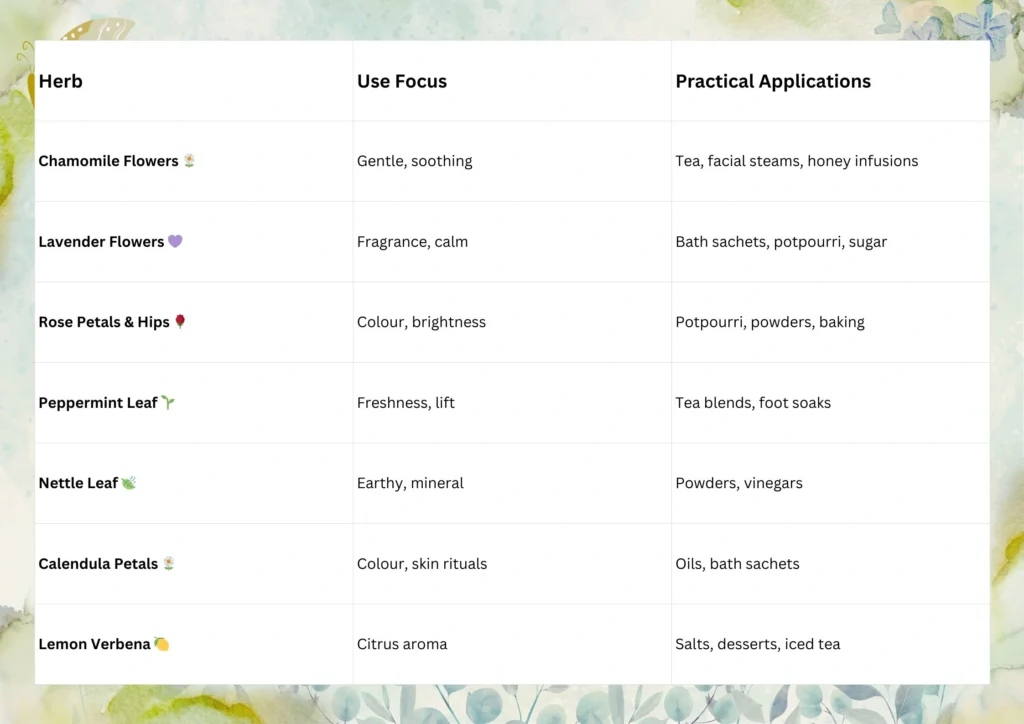
Your Herbal Pantry Essentials 🌿📋
A Living Relationship with Your Herbal Pantry 🌿💛
Your herbal pantry is not static. It evolves with seasons, needs, and curiosity. Some jars will empty quickly, others slowly. Some herbs will become favourites; others will wait quietly until you discover their place.
The goal is not to use everything at once, but to build a relationship with your herbs — learning their character, their flavour, their aroma, and their versatility 🌼.
Start with one small project. Notice the colour of a powder, the scent of a simmer pot, the texture of an infused oil. Let herbs become part of your sensory world, not just your cupboard.
Discover More with Herba Organica 🌿✨
At Herba Organica, we focus on offering clean, carefully selected botanicals that support creativity, quality, and everyday use. Whether your herbs end up in a teacup, a jar of salt, a bath sachet, or a handmade gift, their quality shapes the experience.
A herbal pantry is not only about what you consume — it is about how you engage with nature, craftsmanship, and tradition in daily life.
And that journey always begins with one jar, one herb, and one small experiment 🌱💚
Explore Your Herbal Pantry: Key Herbs from Herba Organica 🌿
Your herbal pantry is full of possibilities, and knowing which herbs are versatile and easy to use is the first step to unlocking their potential. From soothing teas to culinary infusions, herbal powders, bath sachets, and home fragrance projects, these herbs are staples that every herbal enthusiast should have on hand. Here’s a curated list of some of the most popular and multi-purpose herbs from Herba Organica:

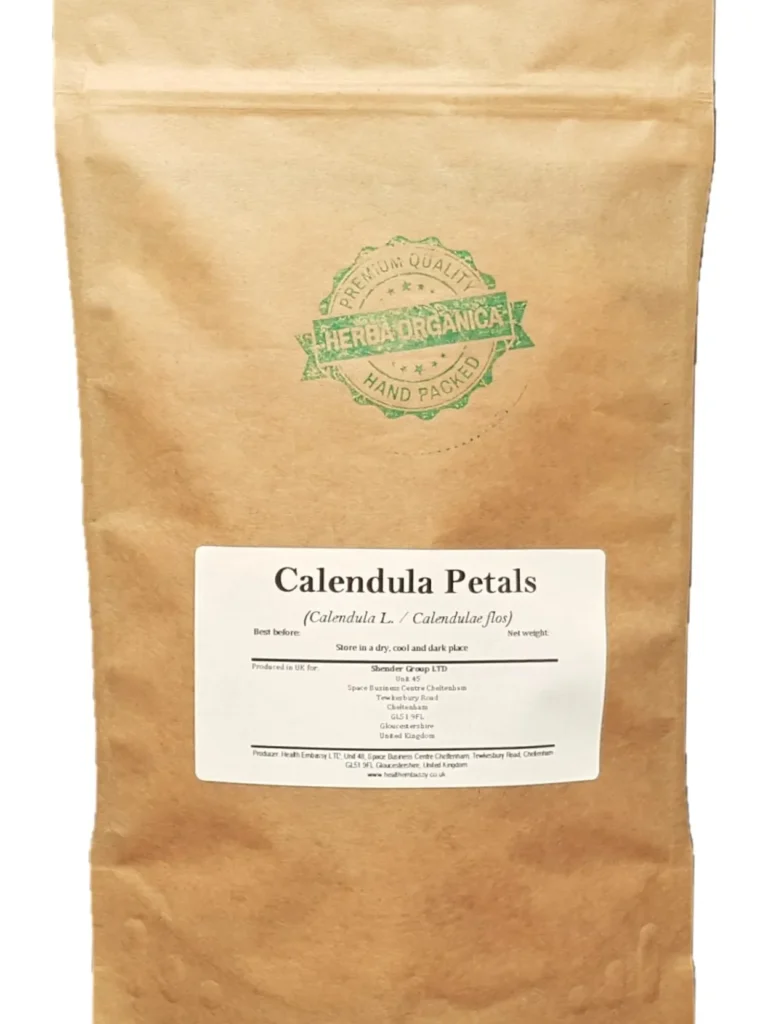
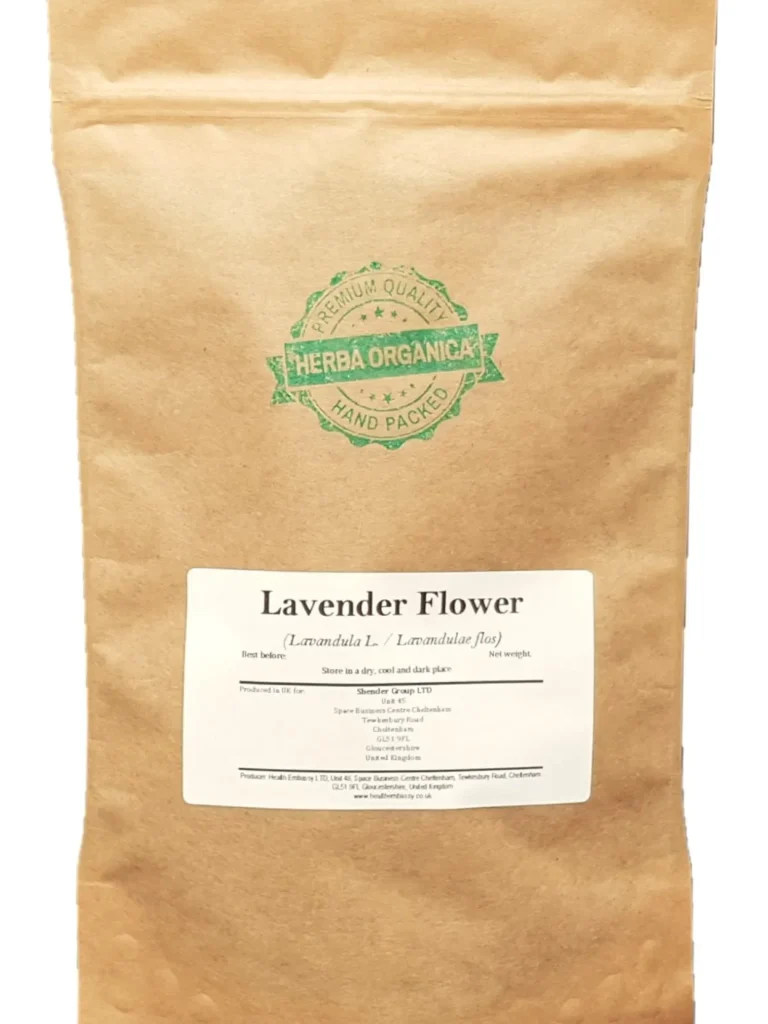

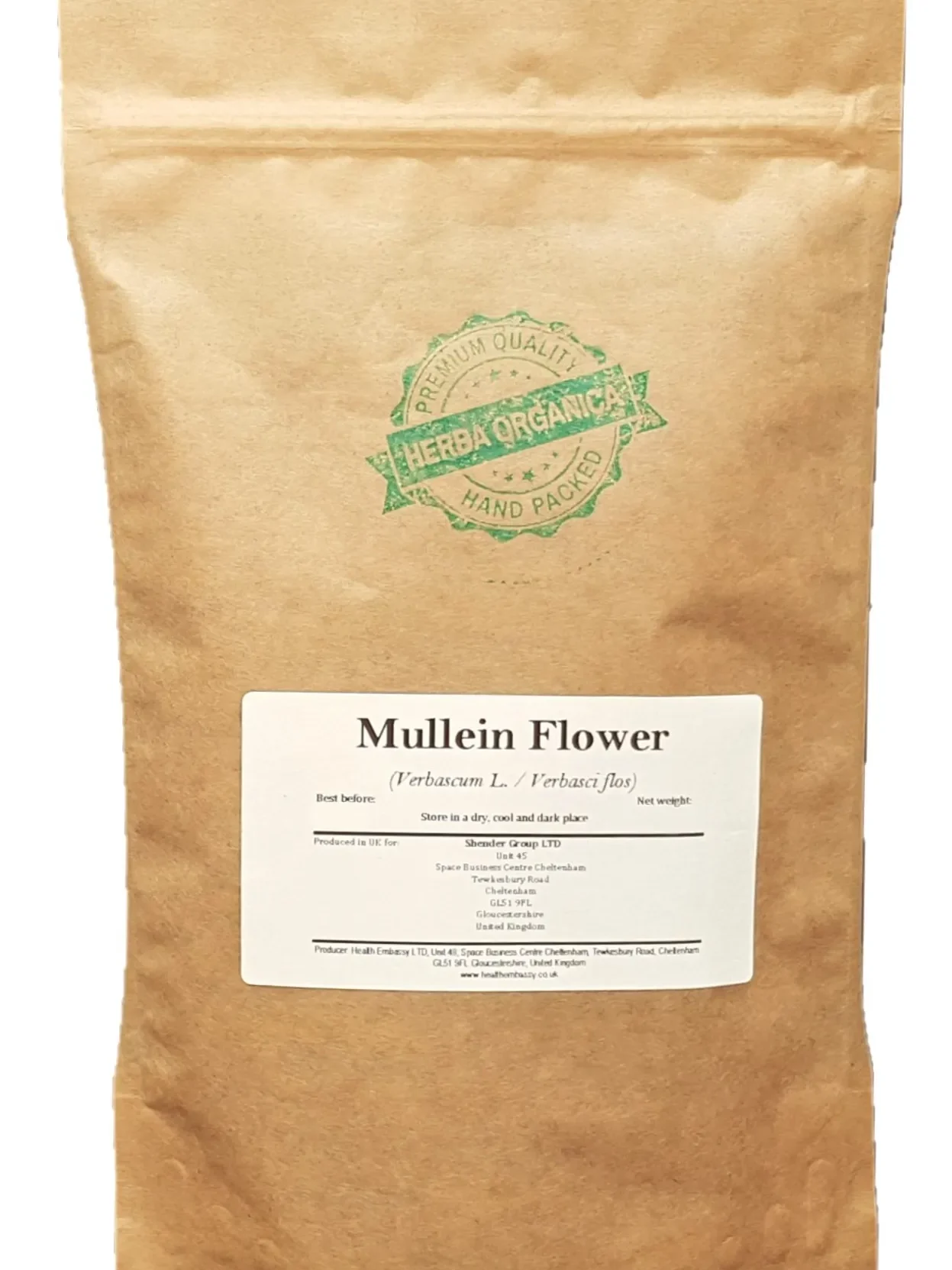

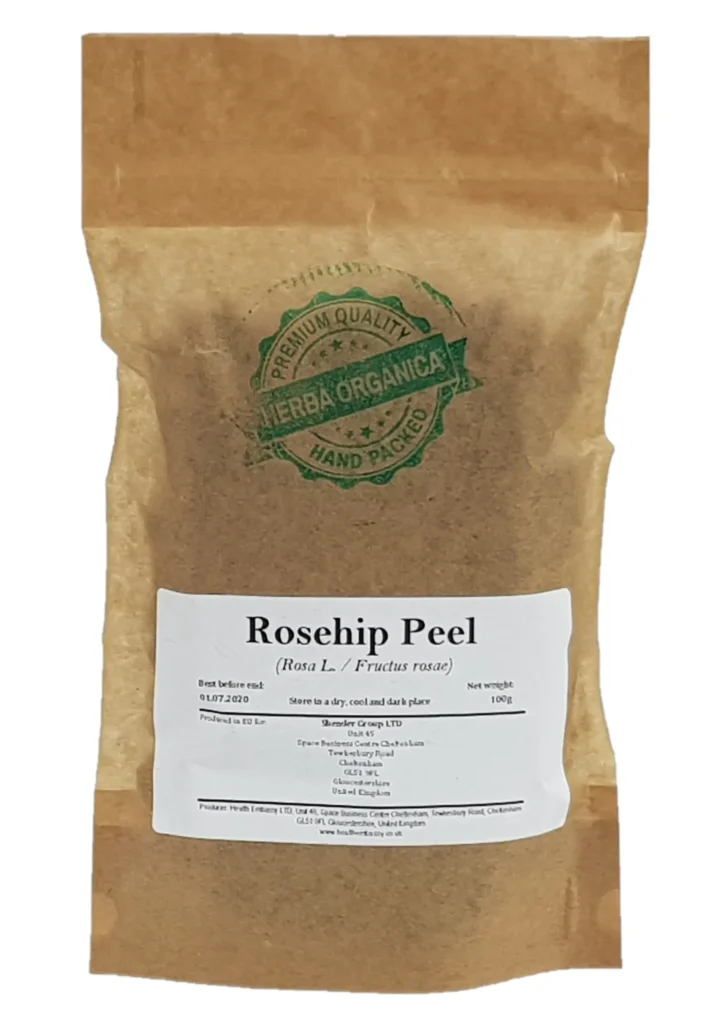
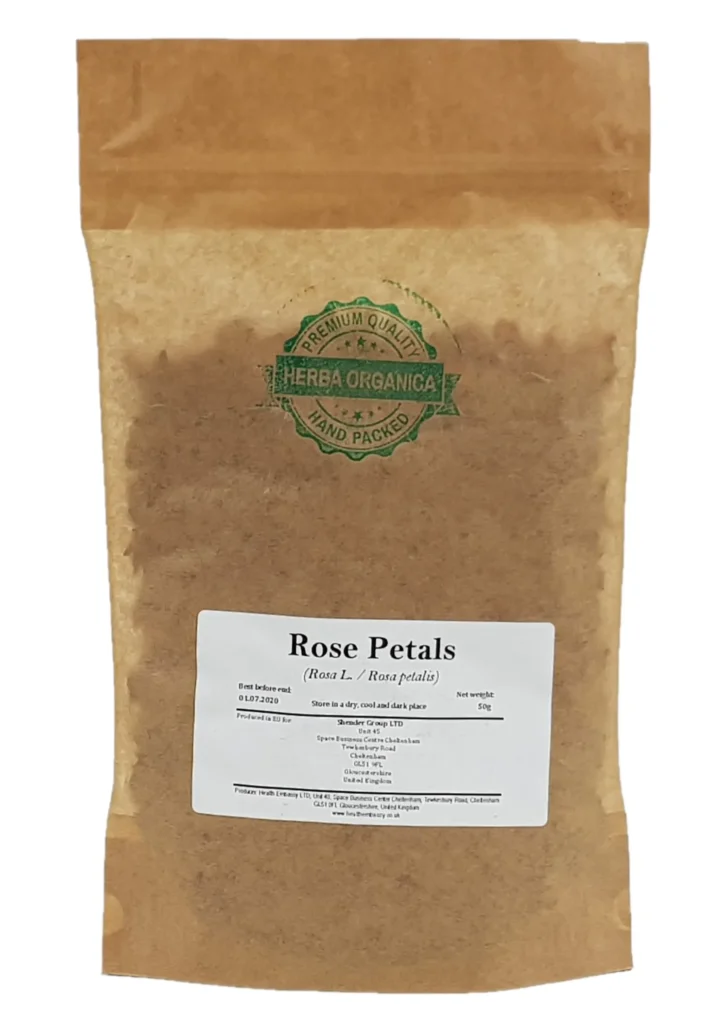
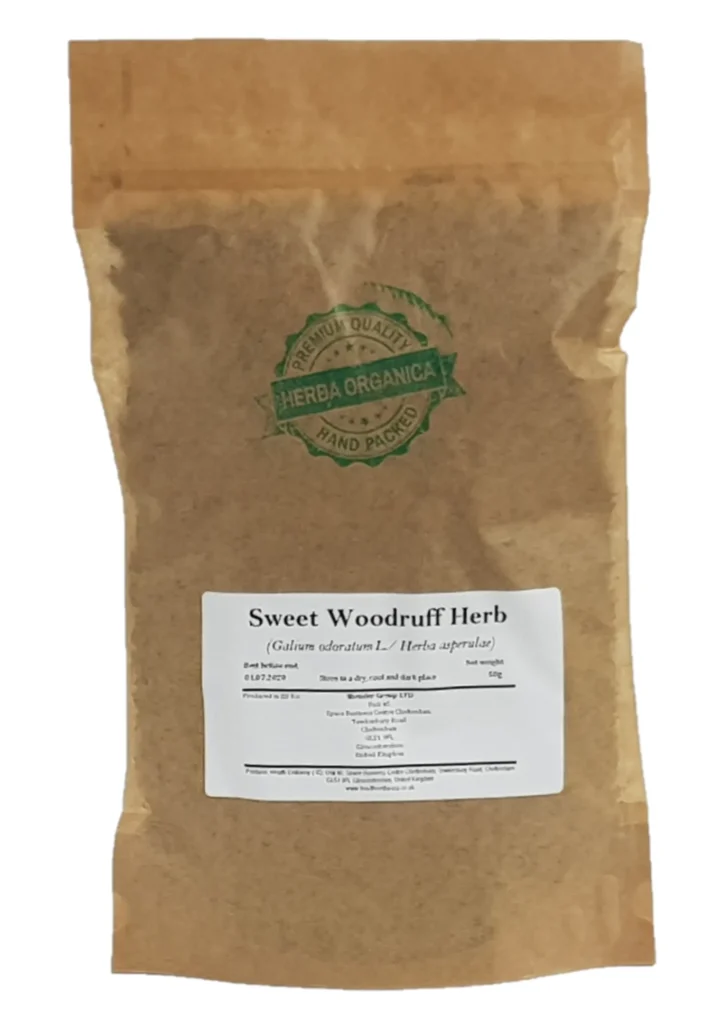

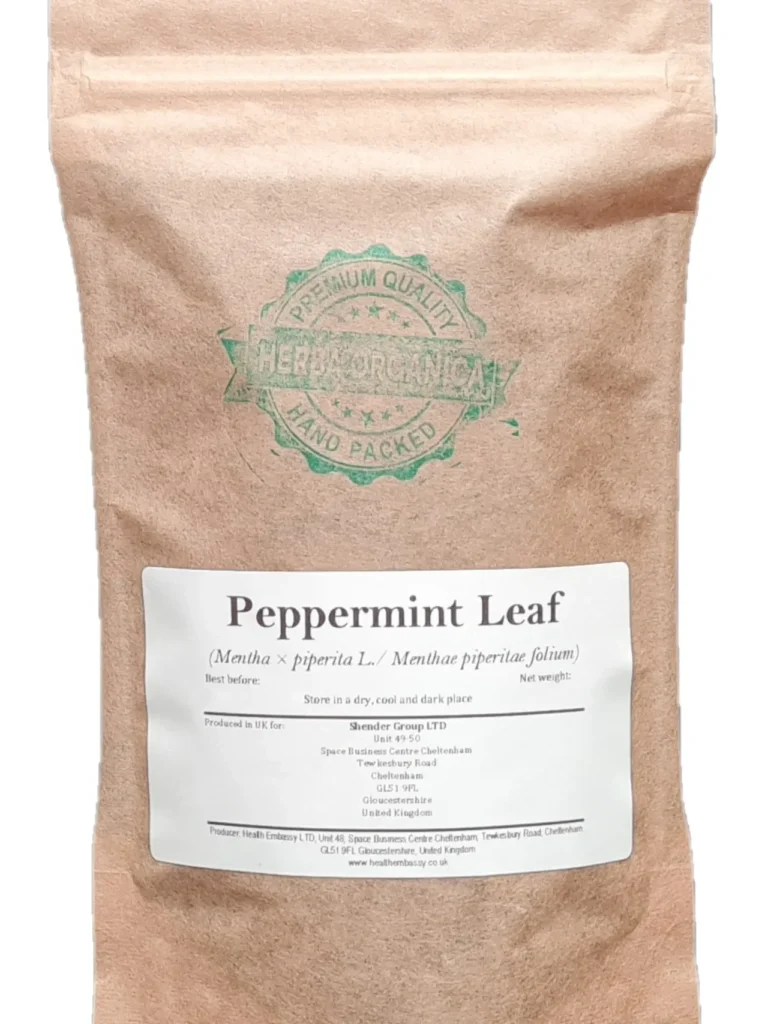
These herbs can be linked individually to their product pages, helping your readers explore each one and get creative with their herbal pantry.
FAQ – Your Herbal Pantry 🌿
1. Can I use my herbal pantry for cooking beyond tea? 🍳
Yes! Your herbal pantry is perfect for more than infusions. Use dried herbs to flavour salts, oils, honey, and vinegars, or grind them into powders to enhance soups, smoothies, baked goods, and sauces.
2. How do I create herbal powders from my herbal pantry? 🌱
Take completely dry herbs from the herbal pantry and grind them in a clean spice or coffee grinder. Sift for uniform texture and store in airtight jars away from light to preserve aroma, colour, and potency.
3. Are the herbs from my herbal pantry safe for baths and skin? 🛁
Yes. Herbs from a high-quality herbal pantry like Herba Organica are carefully dried and additive-free, making them safe for bath sachets, facial steams, or gentle oil infusions.
4. Can I make custom blends using my herbal pantry? 🌙
Absolutely. Your herbal pantry allows you to blend herbs for relaxation, energy, digestion, or seasonal comfort. Keep a journal to track proportions, aroma, and colour for repeatable results.
5. How long do homemade infusions from my herbal pantry last? ⏳
Herbs from your herbal pantry can be infused into oils, honey, or vinegar. Depending on the base ingredient, these infusions can last from 2 weeks to several months when stored in airtight jars in a cool, dark place.
6. Can I use my herbal pantry for crafts and home fragrance? 🕯️
Yes. Dried herbs from your herbal pantry can create potpourri, simmer pots, or decorative projects like gift tags and cards. Popular choices include lavender, rose petals, and bay leaves for fragrance and colour.
7. Which herbs from my herbal pantry are most versatile? 🌿
Some of the most versatile herbs in your herbal pantry include Chamomile Flowers, Lavender, Rose Petals & Hips, Peppermint, Nettle, Calendula, and Lemon Verbena. They can be used in cooking, teas, powders, baths, infusions, and crafts. While tea is familiar, blending is an art. You can find detailed guidance on herbal infusion methods and safe brewing practices at the NIMH Herbal Teas resource.
Disclaimer
The information on this blog is for educational and informational purposes only. It is not medical advice and is not a substitute for professional healthcare guidance. Always consult with a qualified healthcare professional, such as your doctor or pharmacist, before using any herbal products, especially if you are pregnant, nursing, taking medication, or have a known health condition.