No products in the basket.
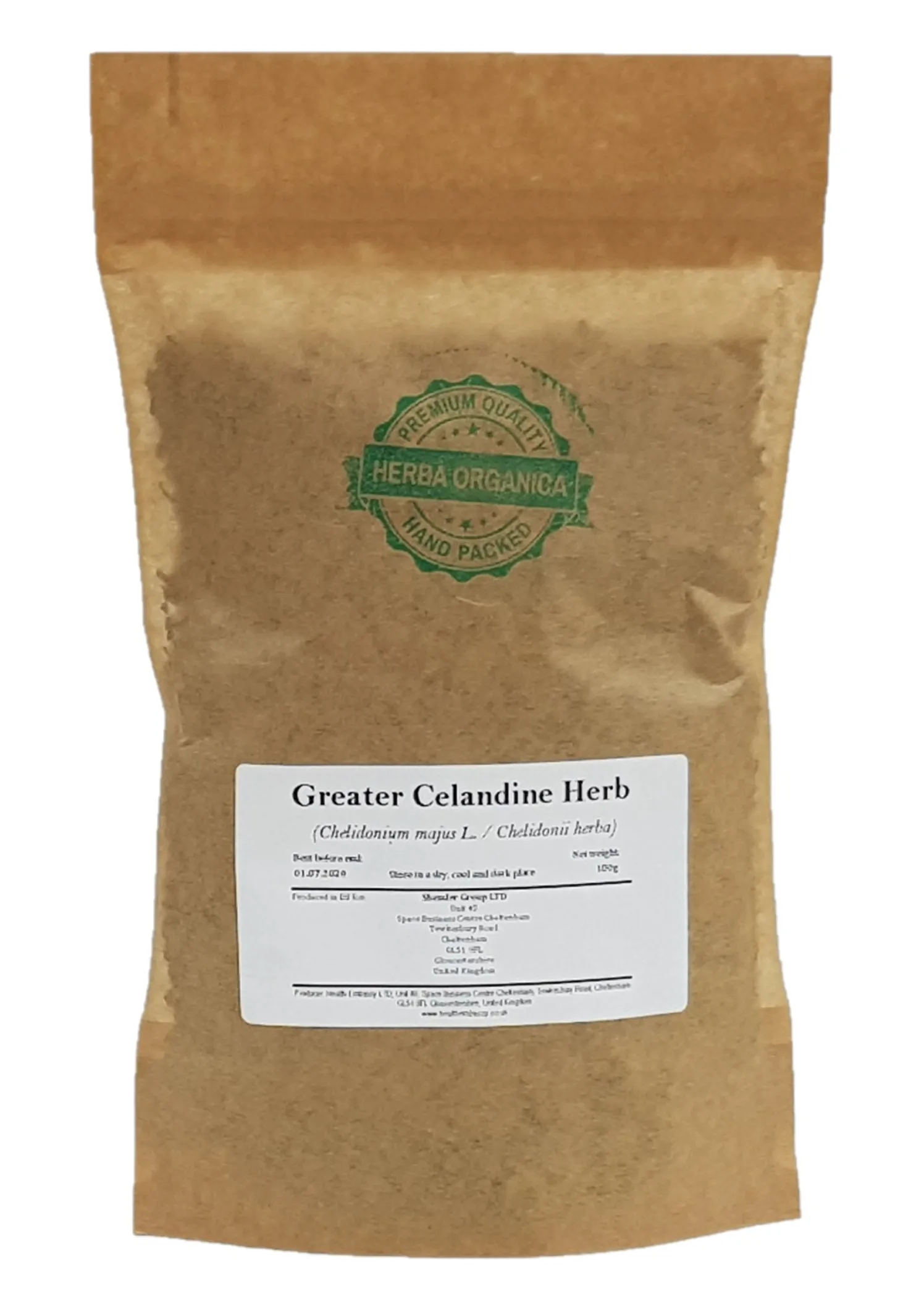
Greater Celandine Herb – Chelidonium majus L. Herba Organica
Price range: £6.99 through £13.99
Greater Celandine Herb (Chelidonium majus L.) is a 100% natural dried herb traditionally used in European herbal practices. Known for its gently bitter, aromatic profile, it works well in warm infusions, slow-steeped blends, and classic household preparations.
Description
Greater Celandine Herb (Chelidonium majus L.) – Traditional European Herb for Infusions
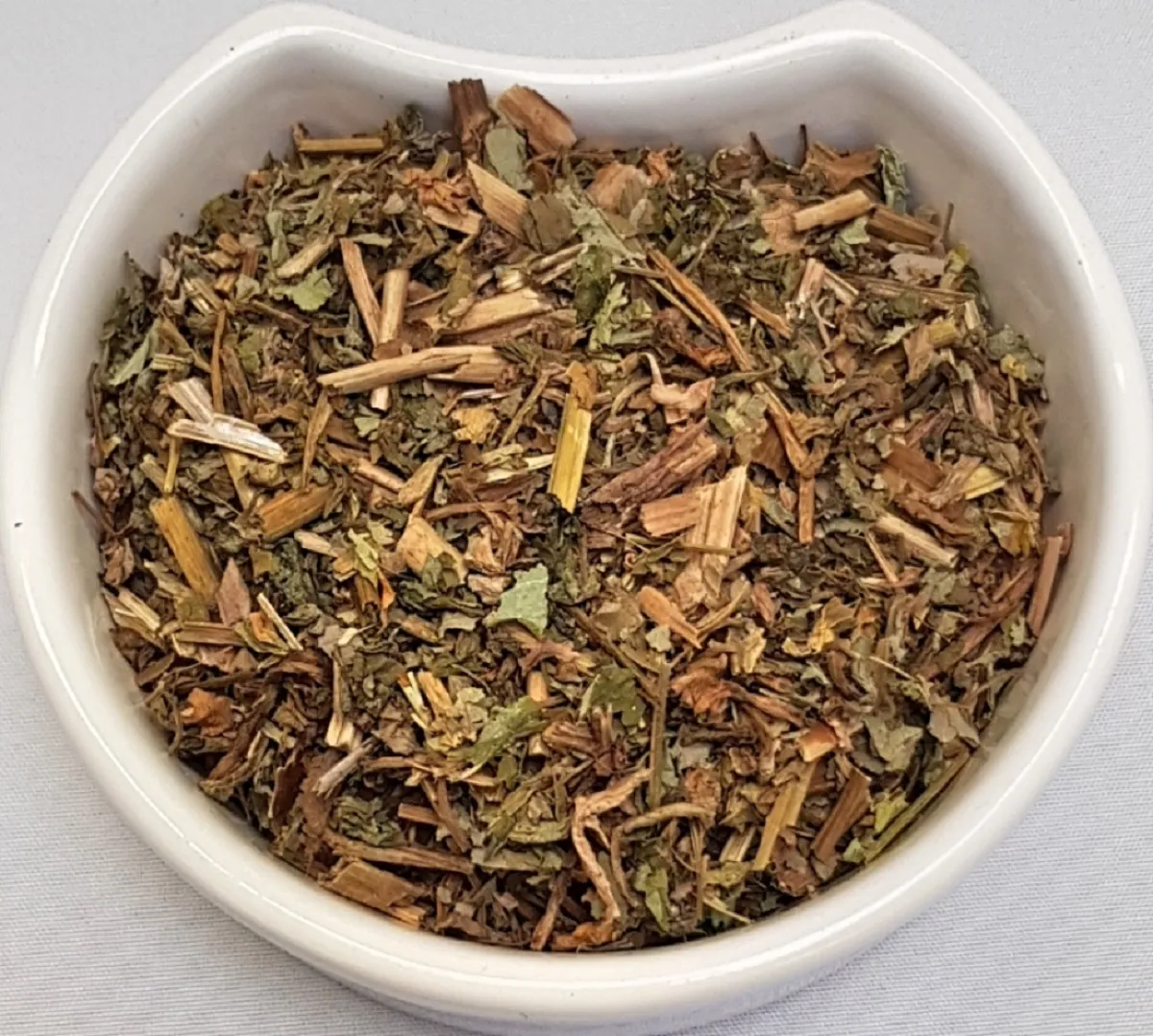
Greater Celandine Herb from Herba Organica is a dried herb made from the aerial parts of Chelidonium majus L. Carefully dried to preserve its natural aroma and character, this herb has a long and well-documented presence in European household herbal practices. Well known in rural and urban settings alike, Greater Celandine has been gathered, dried, and used for many generations across Britain and continental Europe. Its distinctive, gently bitter taste and aromatic profile make it an interesting addition to modern herbal routines, whether enjoyed on its own or incorporated into custom blends.
A Herb with Deep Roots in European Tradition
Greater Celandine Herb has been mentioned in a wide range of traditional European herbals, from medieval manuscripts to early modern household guides. Historically, it was valued as a familiar hedgerow herb often collected during late spring and early summer. In folklore, it was associated with household preparations and was frequently dried for year-round use.
While the plant itself has long been recognised for its vivid appearance, traditional uses focused more on how the dried herb could be incorporated into everyday routines. Old texts often describe it being added to warm water, decoctions, or preparations that combined multiple dried herbs. Its slightly bitter, aromatic taste helped balance blends with naturally softer or sweeter herbs, creating well-rounded infusions suitable for daily enjoyment.
In traditional European herbalism, Greater Celandine Herb was commonly linked with uses related to digestion, especially in mixtures prepared for what early texts described as “sluggish stomach” or “heavy feeling after meals.” Medieval and Renaissance herbals also note its use in topical preparations for skin appearance and cleansing, reflecting the practices of their time. These descriptions come from historical sources and illustrate how the herb was viewed in earlier eras.
Appearance, Aroma, and Character
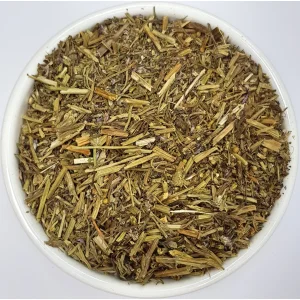
In its dried form, Greater Celandine Herb retains a naturally earthy and faintly pungent aroma. The taste is gently bitter, with herbal tones that deepen when steeped for longer periods. Those who enjoy herbs with a classic old-European character often appreciate this flavour profile, especially when combined with complementary botanicals. The herb’s texture makes it suitable for infusion using standard teapots, infusers, or French presses.
The dried aerial parts provide a steady extraction when prepared with hot water, making them easy to incorporate into long-brew infusions, blends, and traditional kitchen preparations.
Traditional Use in Blends
Across Europe, the herb was rarely used alone. Many historical household manuscripts mention Greater Celandine Herb as part of larger herbal mixtures, especially when a blend required a grounding, aromatic bitterness. It could be combined with dried leaves or flowers to balance sweeter herbs or add depth to milder flavours.
Some of the historically common complementary herbs included:
Mugwort, which provided a deeply aromatic character and created a traditional, old-European style blend that many households appreciated for its rich, warming profile.
Yarrow, often added to form a classic European herbal mixture with a distinctive aromatic edge that complemented Greater Celandine’s naturally bitter notes.
Nettle leaf, valued for its robust, earthy background, helping to round out the flavour and contribute depth to everyday infusion routines.
Wood betony, included for its gentle balance and pleasant aroma, bringing softness to blends where a smoother, more harmonious cup was desired.
These blends, enjoyed in households for generations, were typically consumed warm in the evening or throughout the day as part of general daily routines. Today, Greater Celandine remains a favourite among people who appreciate old-world herbal traditions and prefer herbs with distinctive character.
How to Prepare Greater Celandine Herb
Because the herb has a gently bitter flavour, it lends itself best to infusions that are steeped for a moderate amount of time. Longer steeping intensifies the herbal notes, while shorter steeping results in a lighter, more approachable cup.
Basic Infusion
Use 1–2 teaspoons of dried herb per 200–250 ml of freshly boiled water. Allow the infusion to steep for 5–10 minutes, then strain. Enjoy plain or adjust with a small amount of honey if a softer flavour is preferred.
Deeper Brew
For a more traditional, fuller brew, use slightly more herb or extend steeping time to 12–15 minutes. This emphasises the earthy bitterness and is often preferred by those who enjoy classic European herbal flavours.
Easy French Press Preparation
Place the dried herb directly into the French press, pour in freshly boiled water, steep for the desired time, then press slowly to strain. This method works particularly well when combining the herb with other botanicals, as it allows fuller extraction.
Cold Infusion Variation
Cold infusions are less traditional for Greater Celandine Herb but can be made by steeping the herb in cold water for 6–8 hours and straining. This produces a milder flavour and a very gentle herbal profile.
Simple Culinary Uses
While Greater Celandine Herb is primarily used for infusions, historical records show it was occasionally included in small quantities in rustic kitchen preparations. Today, people might incorporate the dried herb in:
Herbal simmering blends added to soups or broths (removed before serving)
Aromatic sachets for slow-cooked dishes
Gentle herbal vinegars made by steeping the dried herb in warm vinegar for several hours before straining
These uses depend on personal taste and are best approached with small amounts due to the herb’s naturally bitter profile.
Traditional External Uses
Greater Celandine Herb was sometimes included in old household preparations for external use, such as washes, compresses, or steeped cloths. These were made by simmering the herb in water and allowing the liquid to cool. Such practices are part of historical tradition and are described in old herbals, though they are not offered as recommendations or medical guidance today.
Storage
Store the dried herb in a cool, dry place away from direct sunlight. Once the pouch is opened, transfer the herb to an airtight container or reseal tightly to preserve aroma and prevent moisture exposure. As with all dried herbs, it is best used within a reasonable time after opening to maintain its natural character.
Why Customers Choose Greater Celandine Herb from Herba Organica
People often select Greater Celandine for its long-standing presence in European herbal culture and its ability to contribute depth to herbal blends. The herb’s distinctive aroma and classic bitterness appeal to those who enjoy exploring old herbal traditions, preparing slow-steeped infusions, and experimenting with various mixtures. Its versatility, ease of preparation, and strong connection to historical European herb craft give it a unique place in modern kitchens.
Important Information
The description and any information provided about this product are for informational purposes only and are not intended to diagnose, treat, cure or prevent any disease, nor to replace professional medical advice. For official UK guidance on the safe use of herbal products, see the NHS page. If you are pregnant, breastfeeding, taking any medication or have a medical condition, please consult a qualified healthcare professional before use. Keep out of reach of children.
Be the first to review “Greater Celandine Herb – Chelidonium majus L. Herba Organica”