No products in the basket.
Winter Herbal Skincare: How to Care for Dry, Sensitive Skin with Natural Herbs❄️🌿
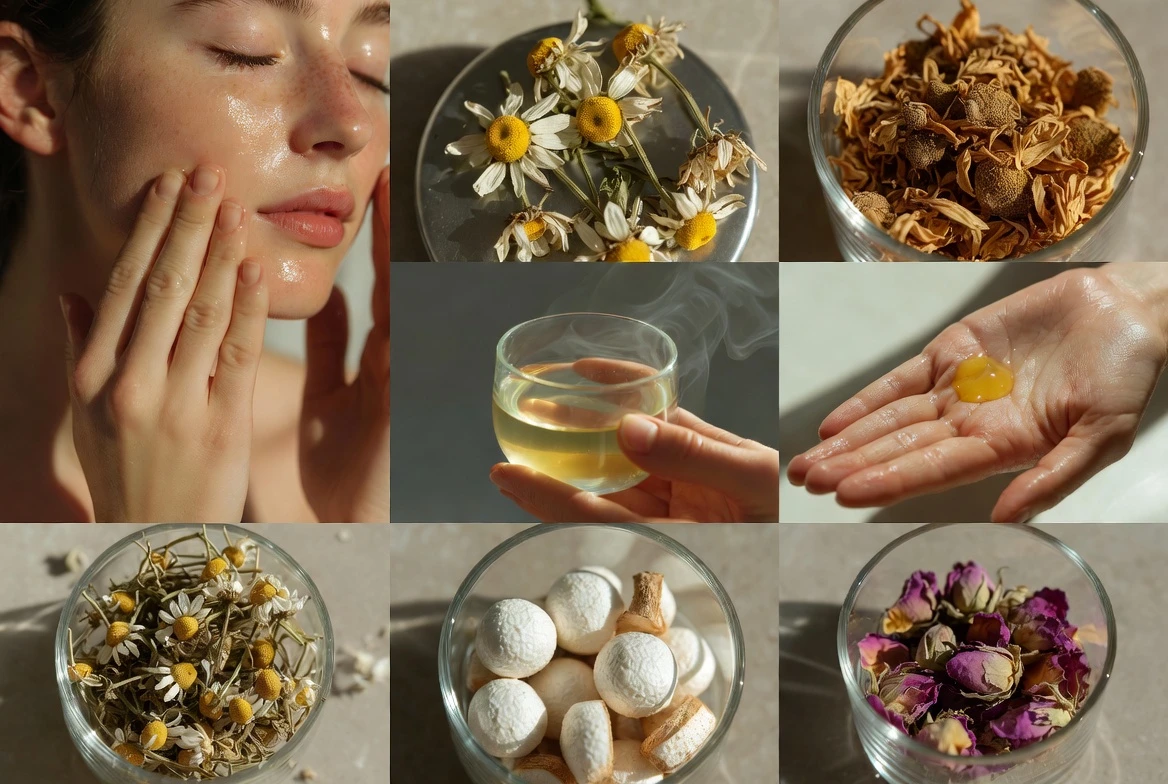
Winter arrives quietly… and then suddenly your skin starts to behave differently 😅
It feels tighter. Looks duller. Reacts faster. Heals slower.
Cold air outside ❄️, dry heated air inside 🔥, icy wind 🌬️, and comforting but very hot showers 🚿 together create a perfect storm for dryness, dehydration, and irritation. Even skin that feels balanced in summer can suddenly become sensitive, flaky, or uncomfortable.
This is where Winter Herbal Skincare becomes not only helpful — but essential 🌿
It’s not about dramatic transformation or aggressive treatments. It’s about understanding seasonal needs and supporting the skin gently, patiently, and consistently with herbs, rituals, and barrier-friendly care.
Let’s step into winter skincare the herbal way ✨
🌬️ Why Winter Is So Hard on the Skin
Your skin has a natural protective barrier — a thin lipid layer that holds moisture in and keeps environmental stress out.
In winter, that barrier is constantly challenged.
Cold air contains very little moisture ❄️, which increases water evaporation from the skin. Wind physically disrupts the surface layers 🌬️. Indoor heating dries the air even further 🔥. And hot showers, while comforting, dissolve the protective lipids that normally keep the skin soft 🚿.
Over time, this leads to:
• Increased water loss
• A weaker skin barrier
• Heightened sensitivity
• Redness and irritation
• Flaking and rough texture
Skin is not “misbehaving” — it is responding logically to environmental stress.
Winter Herbal Skincare works by reducing this stress rather than adding more.
🌿 What Makes Winter Herbal Skincare Different?
Most modern skincare is built around stimulation — exfoliation, resurfacing, brightening, correcting.
Winter skin does not need stimulation.
It needs protection, hydration, and calm 🤍
Herbs are uniquely suited for this because they are complex, gentle, and adaptive. They contain natural combinations of flavonoids, mucilage, tannins, antioxidants, and aromatic compounds that support the skin in multiple subtle ways at once.
In Winter Herbal Skincare, herbs help to:
💧 Support hydration
🛡️ Protect the barrier
🌼 Calm visible irritation
✨ Provide antioxidant support
🤍 Improve overall comfort
Instead of forcing the skin to change, herbs create conditions where the skin can stabilise and recover naturally.
🌼 Herbs That Truly Support Winter Skin
Not all herbs are equal when it comes to winter care. Some are especially well suited for dryness, sensitivity, and barrier support.

Chamomile is one of the most calming herbs in skincare. It is traditionally used for reactive, red, or irritated skin.
After cold exposure, a chamomile compress can feel instantly comforting. As a toner, it helps reduce tightness and restore balance.
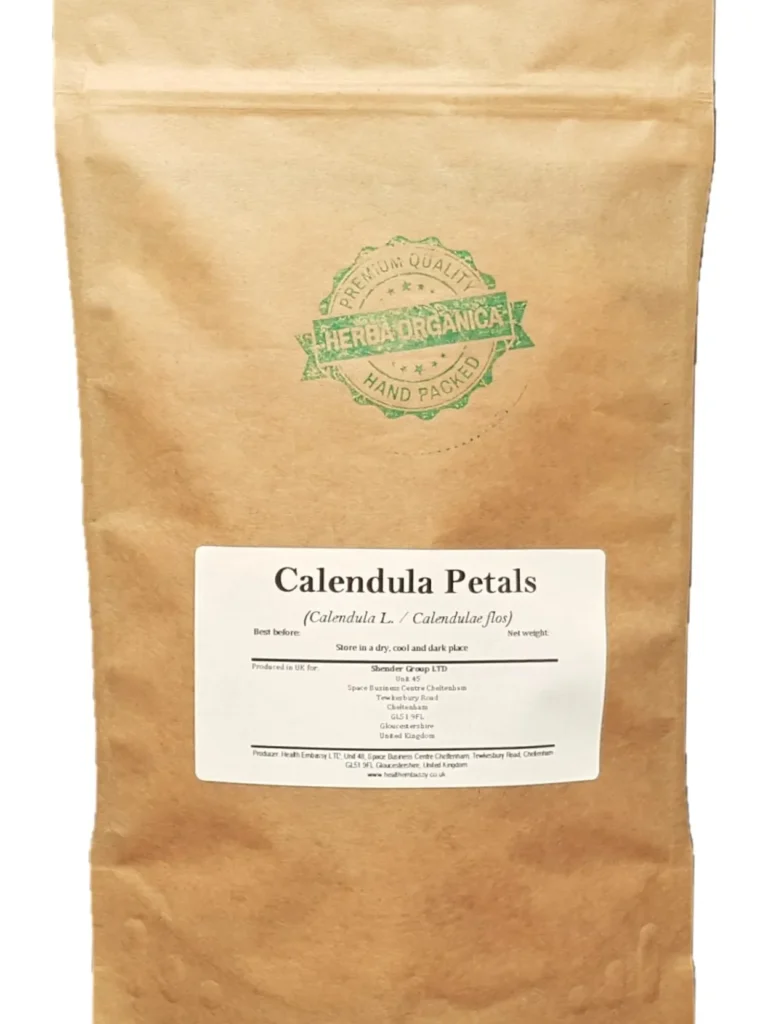
Calendula is often called the “skin herb” for a reason. It is deeply associated with fragile, dry, and stressed skin.
Calendula is especially useful for hands, lips, cheeks, and any area exposed to cold wind.
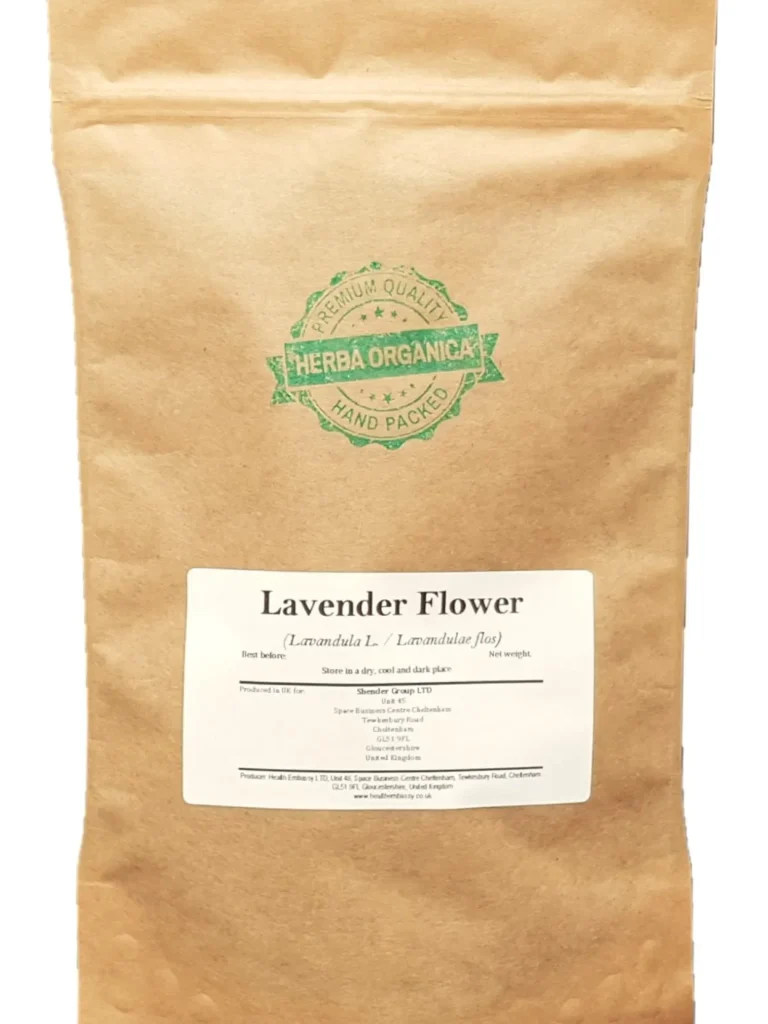
Lavender offers mild balancing and calming effects.
In winter, it supports skin stability and adds a comforting aromatic dimension.
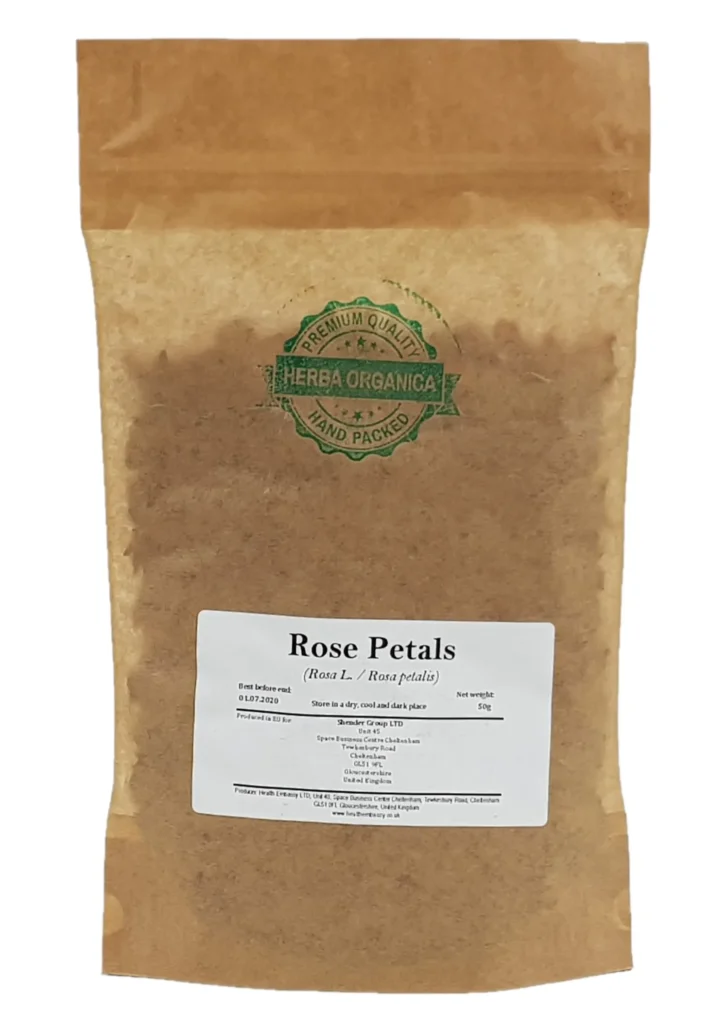
Rose supports hydration, softness, and antioxidant protection.
It is gentle enough for sensitive skin and adds emotional comfort to winter routines.
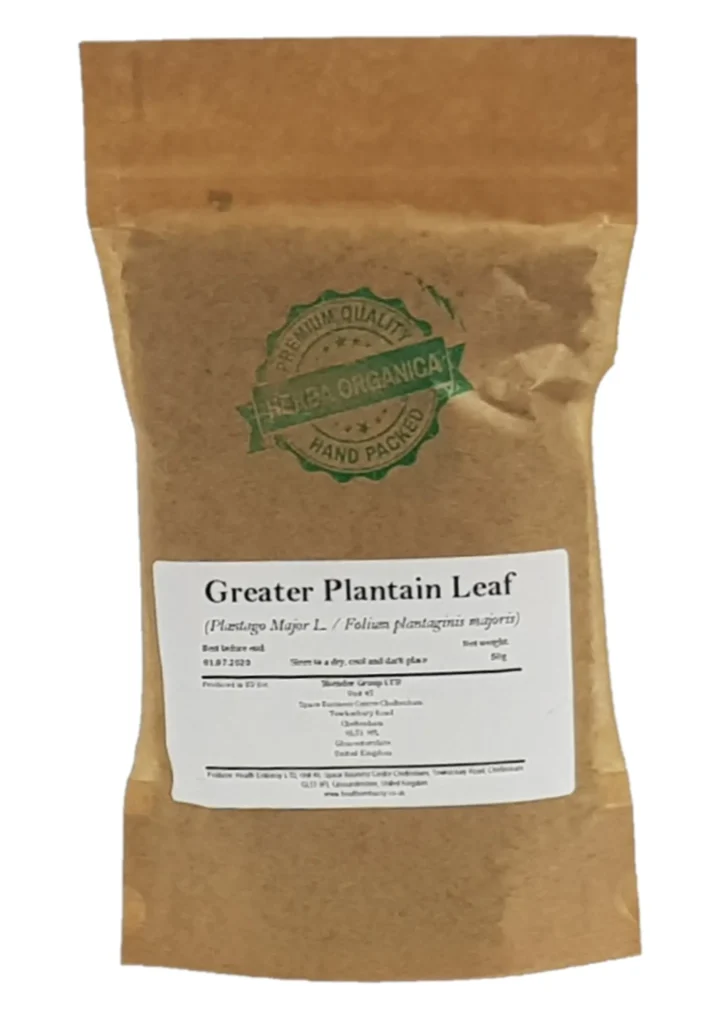
Plantain is traditionally used for irritated and compromised skin.
It is especially useful in balms for rough, cracked, or overexposed areas.
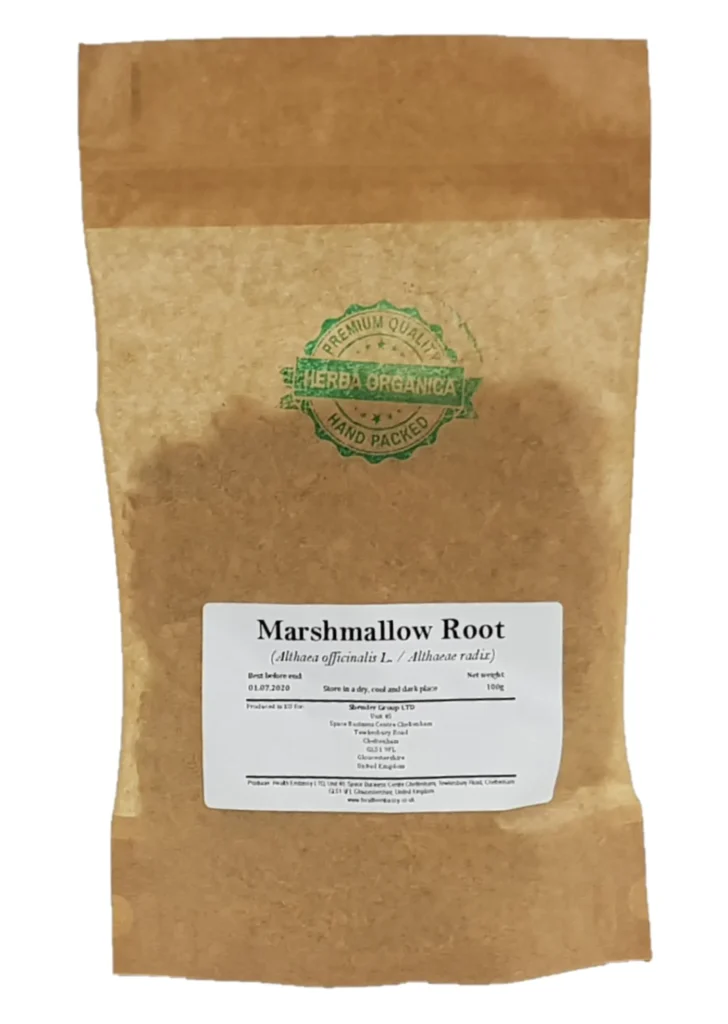
Marshmallow root is rich in mucilage — a silky plant compound that forms a hydrating film on the skin.
It is ideal for very dry, flaky, or tight winter skin and works beautifully as a cold infusion used as a toner or mask.
🧴 Building a Winter Herbal Skincare Ritual
Winter skincare should be simple and protective.
🌙 Gentle Cleansing
Avoid foaming or stripping cleansers. In winter, cleansing should remove impurities without disturbing the barrier.
Chamomile or marshmallow root infusions make excellent gentle cleansers. In the morning, many people only need a rinse with lukewarm water or herbal tea.
💦 Hydrating Toner
This is one of the most important winter steps.
Rose hydrosol, chamomile infusion, or marshmallow root water replenish surface hydration and prepare the skin for oils or creams.
Press into the skin gently — do not rub.
🛢️ Oil or Cream Application
Herbal oils reduce moisture loss and soften dry patches.
Calendula oil, rosehip oil, or gentle herbal creams are ideal. Apply to slightly damp skin to lock hydration in.
🌿 Weekly Comfort Treatments
Once or twice a week, treat the skin to deeper comfort:
• Marshmallow + oat mask for softness
• Chamomile compress for redness
• Calendula balm for hands and lips
Think of this as seasonal maintenance rather than treatment 🕯️
🌬️ Addressing Common Winter Skin Concerns
Redness ❤️
Winter’s cold, dry air and harsh winds can make skin appear flushed or irritated. Chamomile compresses and rose hydrosol help calm visible redness while providing gentle hydration. Applying these soothing herbs regularly can reduce discomfort and support the skin’s natural barrier, leaving the complexion looking calmer and more balanced over time.
Flakiness ❄️
Dry winter conditions often cause skin to feel tight and flaky. Start with hydration using herbal toners or infusions, then gently exfoliate with soft oatmeal or finely ground herbal powders to remove dead skin without causing irritation. Seal in moisture with a light herbal oil or cream to protect against further dryness and maintain smooth, supple skin throughout the season.
Cracked Hands and Lips 💋
Hands and lips are particularly vulnerable to winter dryness, often becoming rough, chapped, or cracked. Applying rich herbal balms containing calendula and plantain generously, especially overnight, supports repair and comfort. Regular use helps restore softness and resilience, ensuring that exposed skin remains nourished and protected even in harsh conditions.
🕯️ Lifestyle Support for Winter Skin
Skincare alone is not enough to fully protect and nourish your skin during the colder months. Environmental factors such as dry indoor heating, cold winds, and low humidity can challenge even the most carefully chosen Winter Herbal Skincare routines.
To truly support your skin, it’s helpful to create a Winter Herbal Skincare routine that combines gentle herbs with mindful lifestyle habits. Using a humidifier 💨 adds moisture to dry indoor air, while protecting exposed areas with scarves 🧣, gloves, and cozy clothing shields the skin from harsh winds. Avoiding long, hot showers 🚿 helps maintain the skin’s natural oils, while drinking enough fluids 💧 and including healthy fats 🥑 in your diet strengthens the skin barrier from within.
Small daily habits — like gently patting the skin dry instead of rubbing, layering herbal oils over damp skin, and limiting harsh soaps — enhance the benefits of your herbal routine. Winter Herbal Skincare works best when paired with these winter-friendly practices, creating a gentle, complete approach that keeps your skin comfortable, nourished, and resilient throughout the season ❄️🌿.
By taking a few simple steps to create a Winter Herbal Skincare plan and combining them with consistent herbal care, your skin can stay soft, balanced, and calm even during the harshest winter days.
🌿 Winter Herbal Skincare as a Seasonal Philosophy
Winter is a season of slowing down, restoring, and conserving energy.
Your skin follows the same rhythm.
Winter Herbal Skincare respects that rhythm. It doesn’t push the skin to perform — it allows the skin to rest, recover, and maintain balance.
Preparing herbal infusions, applying warm oil, misting the face with rose water — these become quiet rituals that bring softness into the cold season 🌿
✨Listening to Your Skin in Winter
Winter does not damage your skin — it reveals what your skin needs.
When the air becomes colder and drier, and the environment more demanding, the skin naturally shifts into a more protective and sensitive state. What often feels like a problem is actually a signal: a request for more care, more hydration, more protection, and less intensity.
And what the skin usually needs most in winter is not correction, stimulation, or transformation — but kindness 🤍
Winter Herbal Skincare offers that kindness through herbs, simplicity, and seasonal awareness. It replaces harsh treatments with gentle support, complex formulas with simple plant-based care, and fast results with long-term balance. The role of herbs in skin care is also discussed in scientific literature. The U.S. National Institutes of Health (NIH), for example, provides an overview of herbal treatments used in dermatological contexts and their traditional applications.
A few carefully chosen herbs. A few calming rituals woven into everyday life. And a winter that feels softer — not only on your skin, but also in the way you move through your day ❄️🌿
Winter Herbal Skincare – FAQ
1. Can I prepare herbal skincare at home for winter? 🏡🌿
Yes. Many elements of Winter Herbal Skincare can be prepared at home, such as chamomile or marshmallow root infusions for toners, or simple oil infusions using calendula or plantain. Home preparation allows you to keep ingredients simple and tailored to your skin.
2. Should I stop exfoliating in winter? ❄️
Not necessarily, but exfoliation should be gentler and less frequent in winter. Harsh exfoliants can weaken the skin barrier. Oat-based or very mild exfoliation used occasionally is more suitable during cold months.
3. Can Winter Herbal Skincare help with winter breakouts? 🌿
Some people experience congestion or breakouts in winter due to heavier creams and reduced skin turnover. Lightweight herbal toners and balanced oils can support skin clarity while still protecting against dryness.
4. Are herbal oils too heavy for oily or combination skin in winter? ⚖️
Not always. Even oily or combination skin can become dehydrated in winter. Light herbal oils used sparingly on damp skin can support hydration without making the skin feel greasy.
5. How long does it take to see results from Winter Herbal Skincare? ⏳
Because this approach is gentle, changes are usually gradual. Many people notice improved comfort and reduced tightness within days, while visible improvements in texture and balance typically appear over several weeks.
6. Can Winter Herbal Skincare be used on children or very sensitive skin? 👶🌿
Herbal skincare is often used for delicate skin, but very young children or highly sensitive skin types should always start with simple, mild herbs like chamomile or calendula and patch-test carefully.
7. Can I use Winter Herbal Skincare on my body as well as my face? 🧴
Absolutely. Winter Herbal Skincare principles apply equally to body care. Herbal oils, balms, and gentle washes are particularly useful for dry legs, arms, elbows, and other areas affected by cold weather.
Disclaimer
The information on this blog is for educational and informational purposes only. It is not medical advice and is not a substitute for professional healthcare guidance. Always consult with a qualified healthcare professional, such as your doctor or pharmacist, before using any herbal products, especially if you are pregnant, nursing, taking medication, or have a known health condition.