No products in the basket.
9 Potent Bitter Herbs That Transform Everyday Herbal Rituals
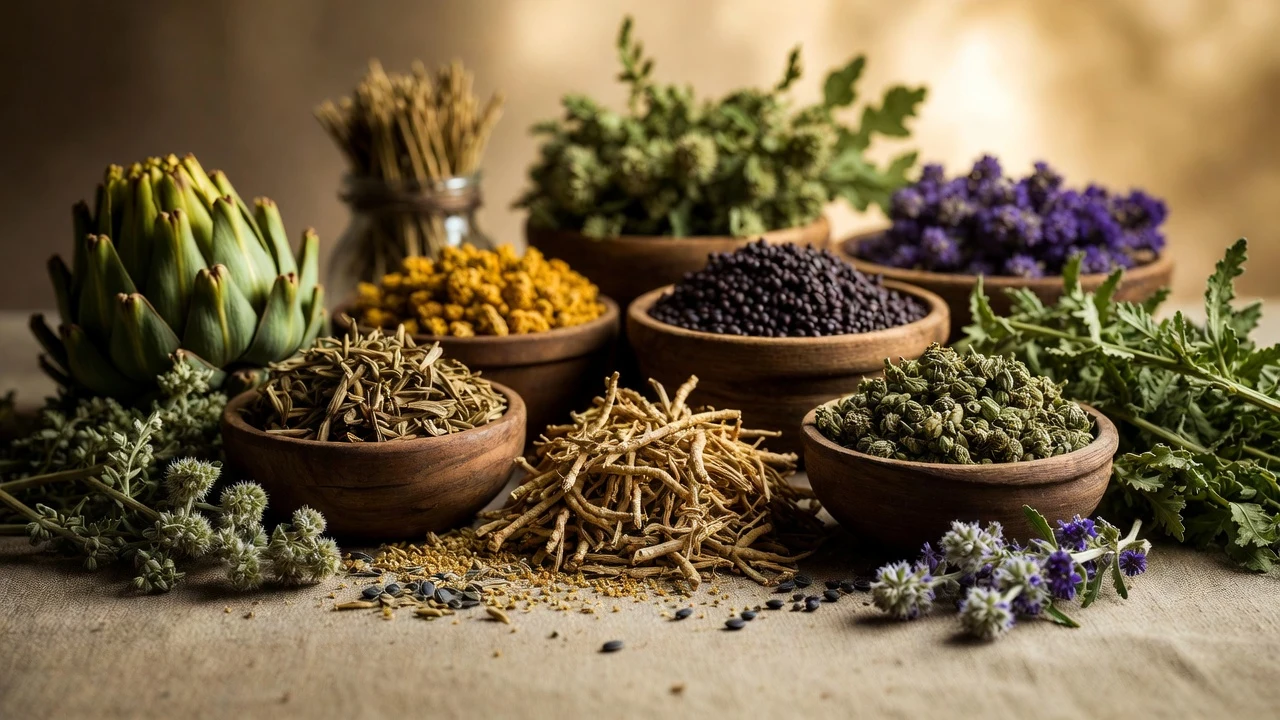
Bitterness is bold. It’s unapologetic. It’s complex.
While modern food culture often prioritizes sweetness and instant gratification, bitter herbs represent something different — depth, tradition, and botanical authenticity. Across continents and centuries, herbalists, growers, and culinary artisans have valued bitter plants for their distinctive taste and role in carefully crafted preparations.
Today, bitter herbs are experiencing a quiet revival. From loose-leaf infusions to traditional botanical blends, they are reclaiming their place in contemporary herbal culture.
In this guide, we explore nine potent bitter herbs that can transform your everyday herbal rituals — naturally and intentionally. 🌿
What Are Bitter Herbs? 🌱
Bitter herbs are plants characterized by their distinctly sharp, earthy, or astringent flavor profile. Their bitterness typically derives from naturally occurring plant compounds such as sesquiterpene lactones, alkaloids, and phenolic constituents.
Unlike sweet flavors, bitterness is acquired. It invites attentiveness. It slows you down. It encourages a more deliberate sensory experience.
In traditional botanical practice, bitter herbs have been used in:
- Loose herbal infusions
- Decoctions
- Botanical blends
- Traditional preparations
- Culinary recipes
- Seasonal rituals
Rather than masking bitterness, traditional herbal culture embraced it — understanding that complex flavor creates balance.
1️⃣ Dandelion Root (Taraxacum officinale)
Flavor profile: Deep, earthy, roasted bitterness
Dandelion root is one of the most recognized bitter herbs in European herbal tradition. Often overlooked as a meadow plant, its root has long been dried, cut, and prepared for infusion.
When roasted, the bitterness becomes rounded and warm, developing coffee-like notes. When prepared as a decoction, it offers a grounded and earthy profile that pairs well with spices.
Ways to use:
- Roasted herbal beverage
- Root decoction
- Botanical tea blends
- Traditional herbal preparations
Its robust character makes it a foundational bitter herb in many botanical collections.

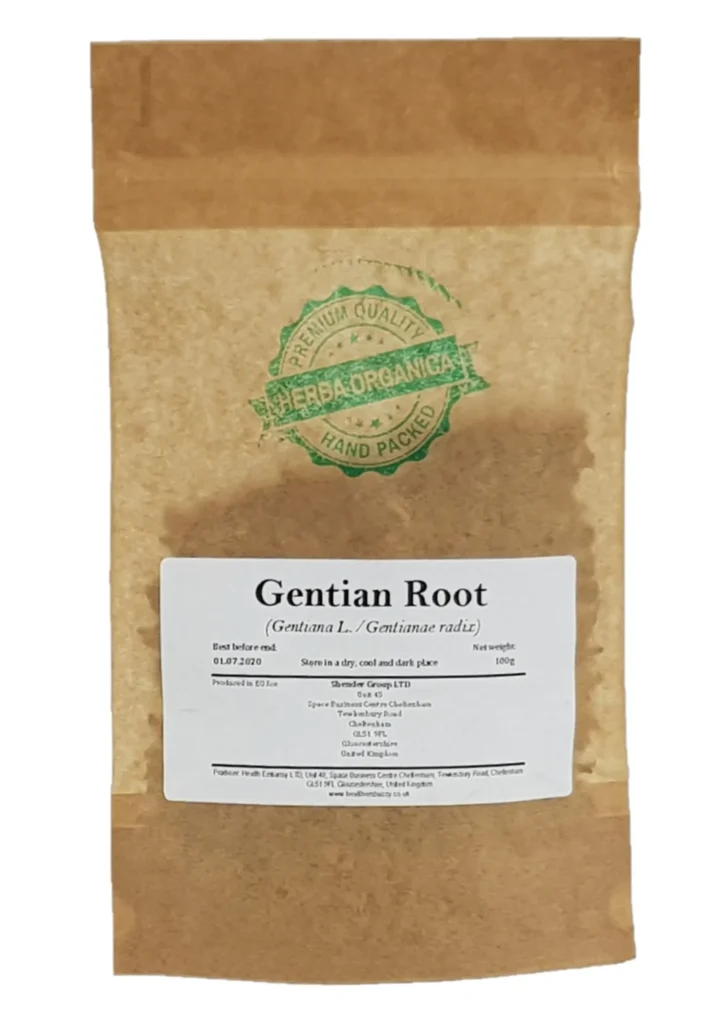
2️⃣ Gentian Root (Gentiana lutea)
Flavor profile: Intensely sharp, classic bitter
Gentian root is frequently regarded as one of the most powerful bitter herbs in traditional European practice. Its taste is unmistakably bold and penetrating.
Even in small quantities, gentian adds structure and backbone to herbal blends. Historically, it has been incorporated into traditional botanical formulas and aperitif-style preparations.
Ways to use:
- Micro-quantities in herbal blends
- Traditional decoctions
- Botanical crafting
Because of its strength, careful measurement is essential. Precision matters with gentian.
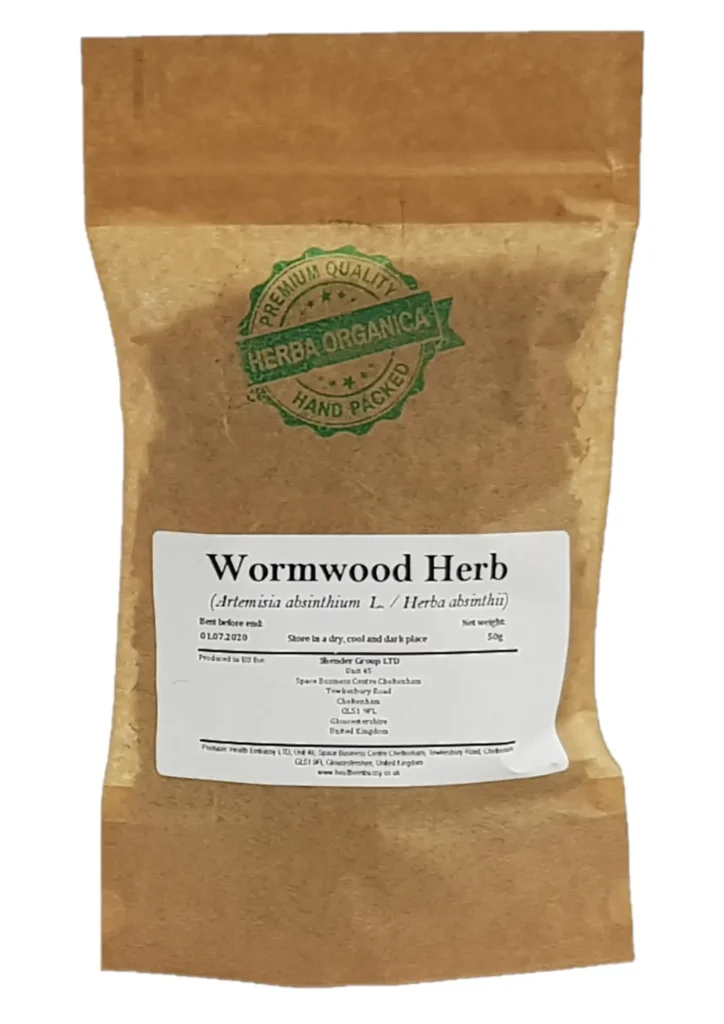
3️⃣ Wormwood (Artemisia absinthium)
Flavor profile: Aromatic, sharp, herbaceous bitterness
Wormwood carries a strong botanical presence. Its silvery-green aerial parts are known for their intensely bitter and aromatic character.
Traditionally, wormwood has been used in small amounts to add depth and distinctive flavor to carefully balanced blends.
Ways to use:
- Infusions in very small quantities
- Botanical blending
- Traditional herbal crafting
Its flavor is assertive — best approached with respect and moderation.
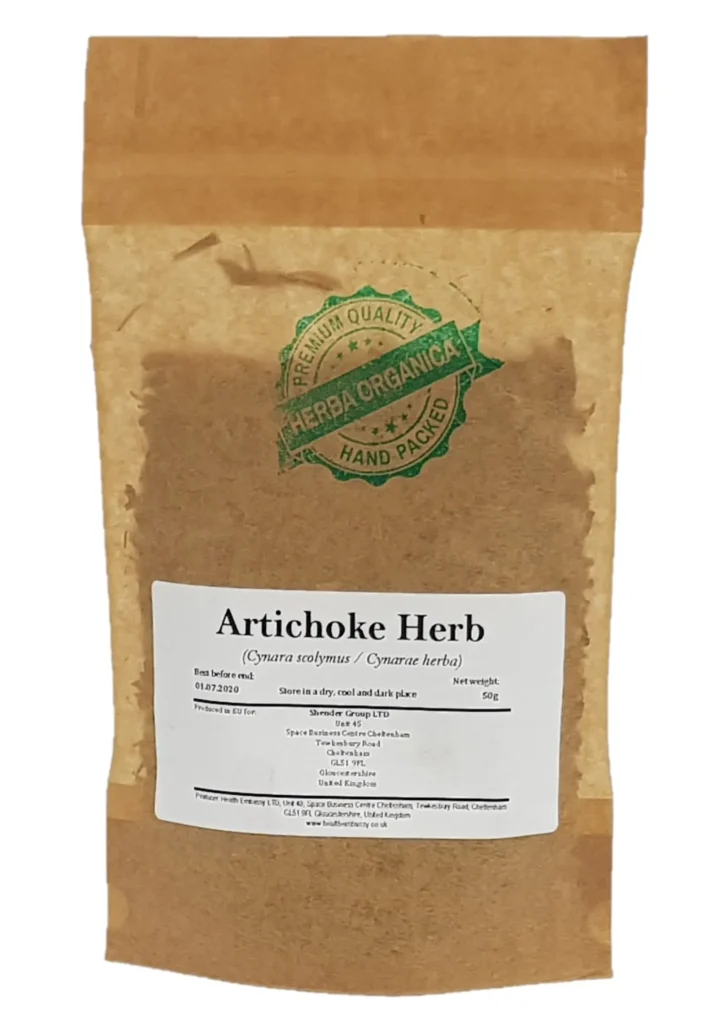
4️⃣ Artichoke Herb (Cynara scolymus)
Flavor profile: Green, vegetal, mildly bitter
Artichoke herb offers a softer entry into the world of bitter herbs. Compared to roots like gentian or wormwood, its bitterness is greener and more herbaceous.
It works particularly well in loose-leaf blends where a subtle bitter note enhances complexity without overwhelming the palate.
Ways to use:
- Standalone herbal infusion
- Combined with mint or citrus peel
- Seasonal botanical blends
Its balanced character makes it ideal for those new to bitterness.
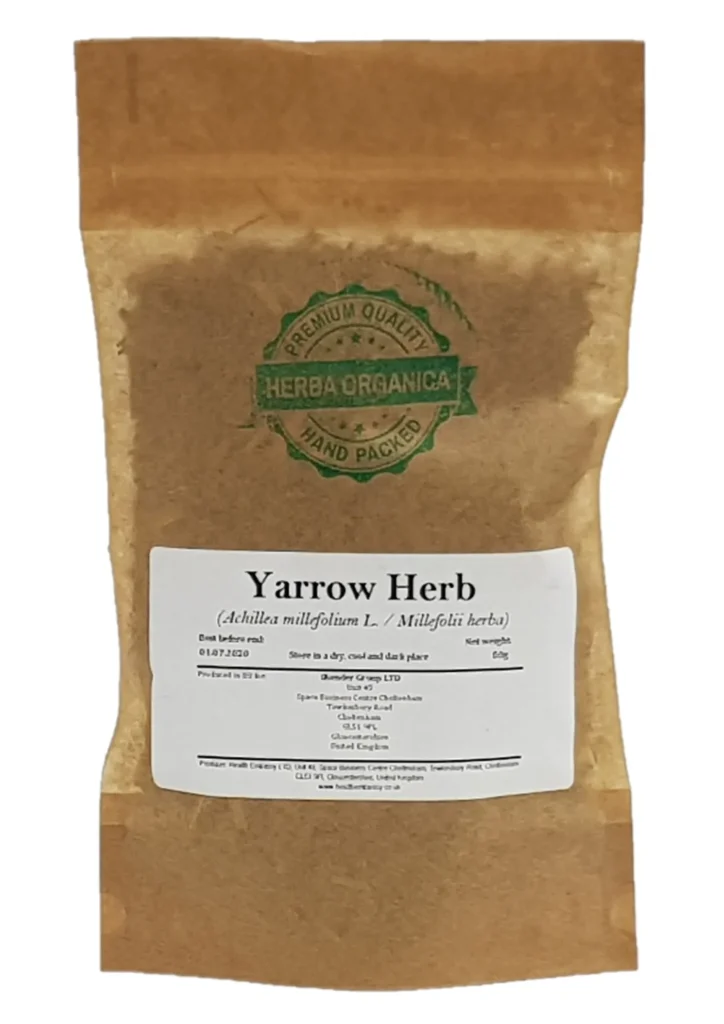
5️⃣ Yarrow Herb (Achillea millefolium)
Flavor profile: Aromatic, dry, slightly bitter
Yarrow has a long history in traditional European herb culture. Its delicate leaves and flowers produce an infusion that is floral yet distinctly dry.
The bitterness is moderate, layered with aromatic notes that give it a refined botanical presence.
Ways to use:
- Herbal infusions 🌼
- Botanical tea blends
- Traditional seasonal preparations
Yarrow’s complexity makes it a valued addition to curated herbal collections.
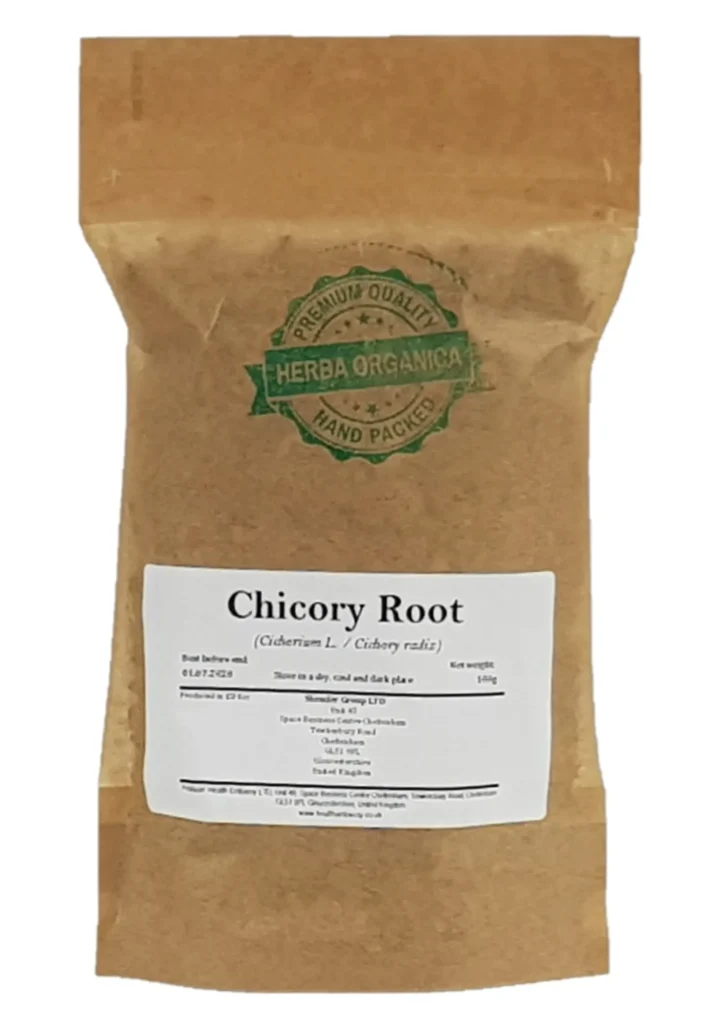
6️⃣ Chicory Root (Cichorium intybus)
Flavor profile: Roasted, nutty bitterness
Chicory root is widely recognized for its roasted application. When toasted, it develops caramel-like undertones that soften its natural bitterness.
This makes chicory a popular component in coffee-style herbal beverages. It pairs particularly well with roasted dandelion root.
Ways to use:
- Roasted decoction
- Herbal beverage blends
- Culinary experimentation
Its smooth roasted character makes bitterness more approachable.
7️⃣ Milk Thistle Seeds (Silybum marianum)
Flavor profile: Mildly bitter, subtly nutty
Milk thistle seeds offer a more restrained bitter note. When lightly crushed before preparation, they release a gentle, earthy aroma.
Compared to roots, seeds typically provide a softer expression of bitterness.
Ways to use:
- Crushed seed infusion
- Ground botanical blends
- Combined herbal preparations
Its mild profile makes it suitable for balanced formulations.

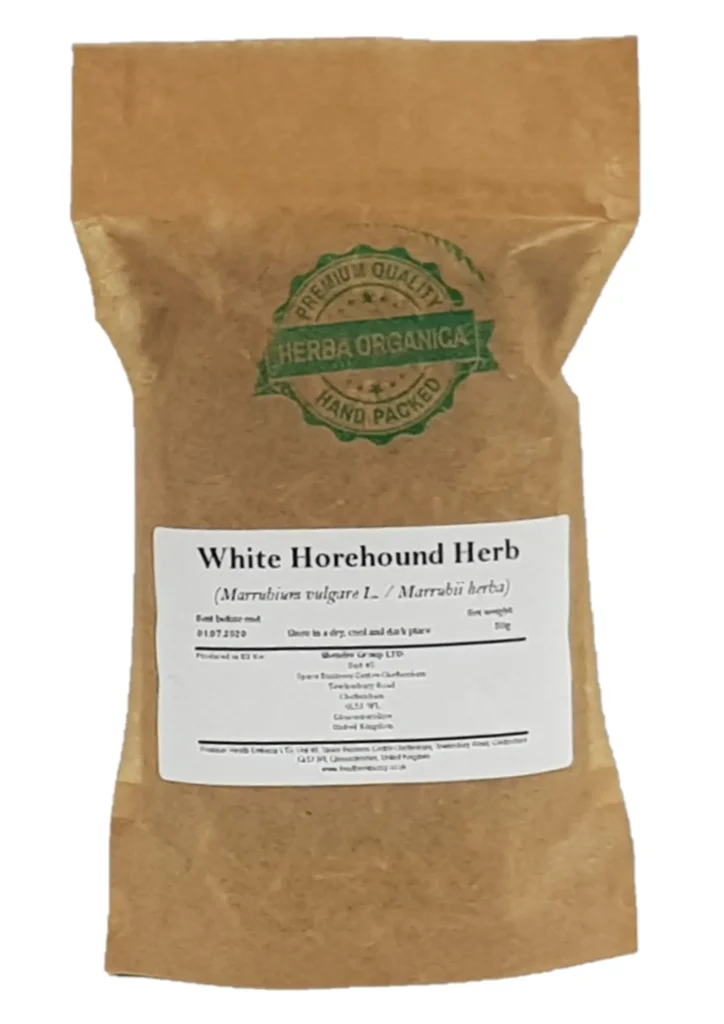
8️⃣ White Horehound Herb (Marrubium vulgare)
Flavor profile: Dry, strong, traditional bitter
Horehound is a classic example of a robust bitter herb. Its flavor is direct, clean, and distinctly herbal.
Historically incorporated into traditional preparations, horehound maintains a reputation for bold bitterness.
Ways to use:
- Herbal infusions
- Traditional botanical recipes
- Bitter-forward blends
Its straightforward profile appeals to those who appreciate authentic herbal intensity.
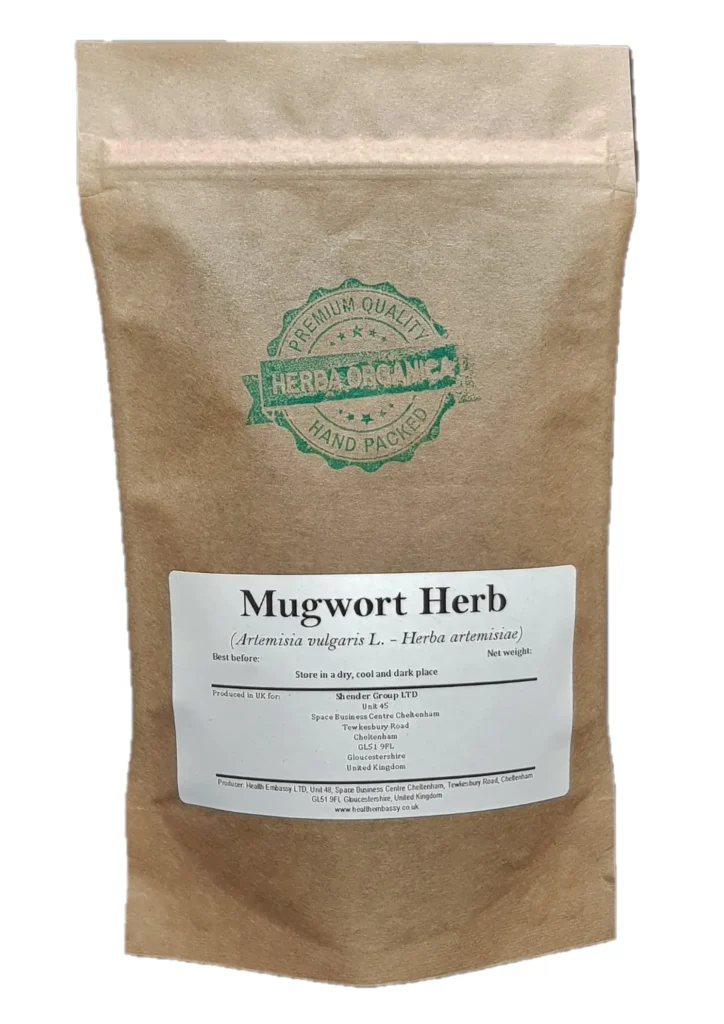
9️⃣ Mugwort Herb (Artemisia vulgaris)
Flavor profile: Aromatic, earthy, distinctly bitter
Mugwort has been used in traditional seasonal practices and culinary experimentation. Its bitterness is aromatic and slightly resinous.
Typically used sparingly, mugwort adds a unique botanical signature to blends.
Ways to use:
- Loose-leaf infusions
- Culinary herb experimentation
- Seasonal herbal rituals 🌾
Its flavor stands out — unmistakable and complex.
Why Bitter Herbs Are Regaining Attention 🌍
In contemporary diets dominated by sweetness, bitterness feels unfamiliar. Yet historically, bitterness was common and respected.
Modern herbal enthusiasts are rediscovering bitter herbs because they offer:
- Sensory complexity
- Botanical authenticity
- Craft tradition
- Flavor diversity
- Slower, more intentional rituals
Bitterness encourages mindfulness. It invites you to taste fully rather than consume quickly.
For a herbal brand like Herba Organica, bitter herbs reflect a commitment to:
- Traditional plant knowledge
- Carefully sourced raw materials
- Minimal processing
- Respect for botanical heritage
How to Begin With Bitter Herbs 🍵
If you are new to bitter herbs, gradual introduction is key.
Practical tips:
- Start with milder options like artichoke herb or milk thistle
- Blend with aromatic herbs such as mint
- Add citrus peel for brightness
- Experiment with roasting roots for smoother flavor
- Use smaller quantities initially
Over time, your palate adapts. What once seemed sharp becomes structured. What felt intense becomes balanced.
Bitterness evolves from challenge to appreciation.
Building a Bitter Herb Collection 🌿
When curating bitter herbs for your herbal pantry, consider variety:
- Roots for depth
- Leaves for freshness
- Seeds for subtlety
- Aromatic aerial parts for complexity
Store dried herbs in airtight containers away from light and moisture. Proper storage preserves aroma, color, and character.
Quality matters. Cut size, drying method, and botanical identification all influence the final preparation. For serious herbal enthusiasts, sourcing carefully prepared raw plant material is essential.
Final Reflections on Bitter Herbs ✨
Bitter herbs are not about intensity alone. They are about contrast, structure, and botanical depth.
From the roasted warmth of chicory to the sharp edge of gentian, each herb offers a distinct expression of bitterness. Together, they form a spectrum — one that has shaped traditional herbal practice for generations.
Reintroducing bitter herbs into everyday rituals reconnects us with slower preparation methods, intentional blending, and appreciation for complex plant flavors. Herba Organica’s carefully curated assortment of dried bitter herbs makes it easy to explore this rich spectrum in your own herbal rituals.
Sometimes, the most powerful flavors are the ones that ask you to pause.
And bitterness, when understood, becomes beautifully balanced. 🌱
Frequently Asked Questions About Bitter Herbs 🌿
1️⃣ What are bitter herbs?
Bitter herbs are plants known for their distinctly sharp, earthy, or astringent flavour. The bitterness comes from naturally occurring plant compounds that create depth and complexity in herbal infusions and botanical preparations.
2️⃣ Why are bitter herbs used in traditional herbal practices?
Bitter herbs have long been valued for their strong flavour profile and role in traditional preparations. Historically, they were included in infusions, decoctions, and botanical blends to add structure, balance, and aromatic intensity.
3️⃣ How do bitter herbs taste?
The taste of bitter herbs can range from mildly green and vegetal (like artichoke herb) to intensely sharp and robust (like gentian root). Some roots, when roasted, develop warmer, nutty undertones that soften their natural bitterness.
4️⃣ How can beginners start using bitter herbs?
If you are new to bitter herbs, begin with milder options and use small quantities. Blending them with aromatic herbs such as mint or adding citrus peel can make the flavour more approachable while maintaining complexity.
5️⃣ What is the difference between bitter roots and bitter leaves?
Bitter roots, such as gentian or dandelion, often deliver deeper and more concentrated bitterness. Bitter leaves, like artichoke or yarrow, tend to offer a lighter, greener flavour. Each part of the plant contributes a different sensory experience.
6️⃣ Can bitter herbs be combined with other herbs?
Yes, bitter herbs are commonly blended with aromatic, floral, or mildly sweet herbs to create balanced preparations. Careful formulation allows the bitterness to complement rather than dominate the overall flavour profile.
7️⃣ How should bitter herbs be stored?
To preserve the flavour and quality of bitter herbs, store them in airtight containers away from light, heat, and moisture. Proper storage helps maintain their aroma, colour, and botanical integrity over time.
7️⃣What are the benefits of bitter herbs?
The benefits extend to culinary and sensory experiences, adding depth, aroma, and complexity to herbal infusions, teas, and botanical preparations. They also play a role in traditional herbal rituals and enhance the diversity of plant-based collections.
Disclaimer
The information on this blog is for educational and informational purposes only. It is not medical advice and is not a substitute for professional healthcare guidance. Always consult with a qualified healthcare professional, such as your doctor or pharmacist, before using any herbal products, especially if you are pregnant, nursing, taking medication, or have a known health condition.