No products in the basket.
Lavender Flower – Lavandula L. – Herba Organica
Price range: £7.99 through £15.99
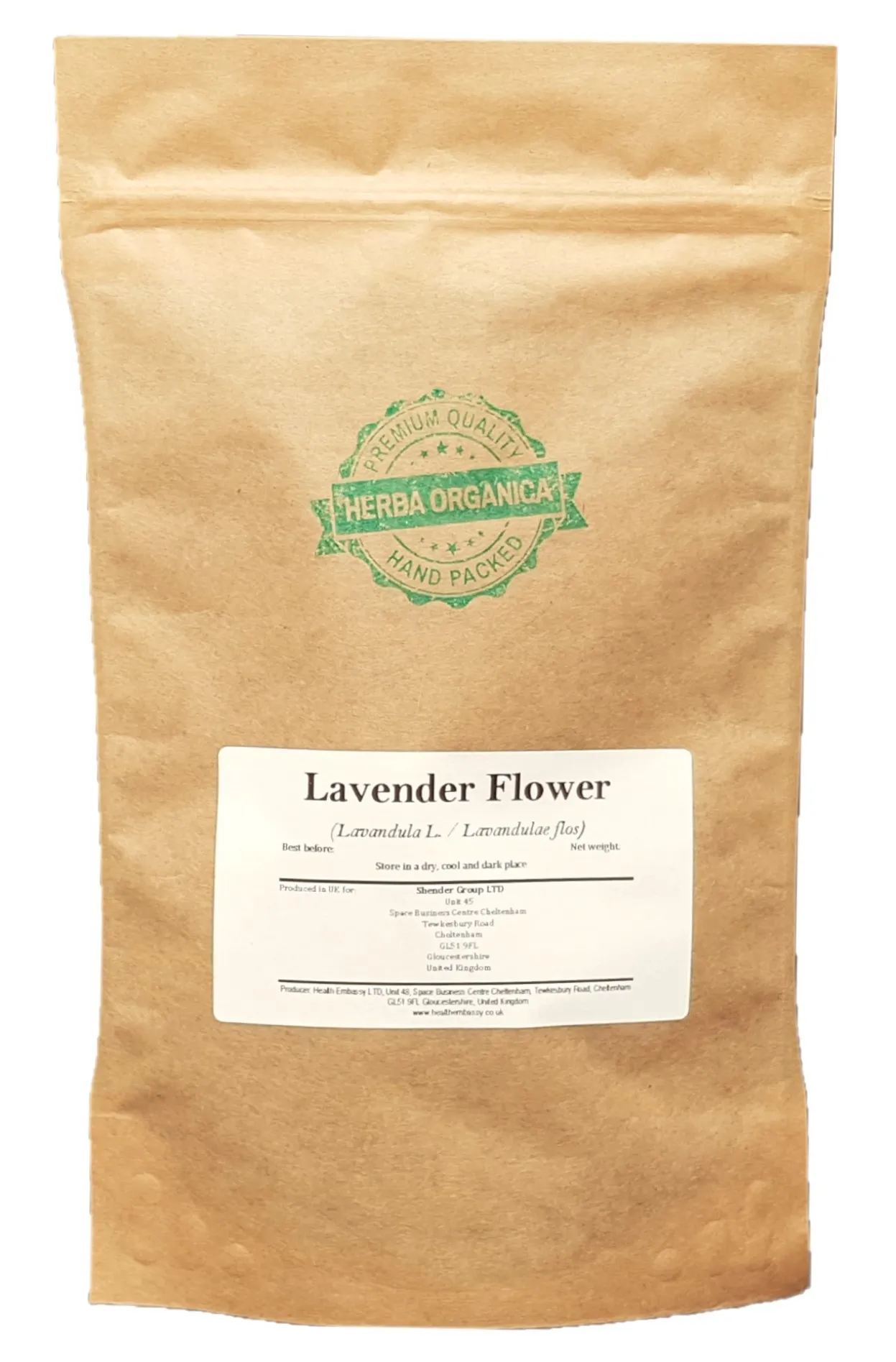
Lavender Flower features carefully dried purple-blue blossoms with a delicate, refined floral aroma. Can be used alone to create gentle, aromatic infusions or combined with other botanicals in herbal blends. Ideal for hot teas, light decoctions, or refreshing cold macerates, it provides a versatile and fragrant base for a variety of herbal preparations.
Description
Lavender Flower (Lavandula L.) Dried Blossom for Teas and Herbal Blends
Lavender Flower Herba Organica consists of carefully dried flowers of Lavandula L., a perennial aromatic plant traditionally cultivated throughout the Mediterranean region and widely recognised across Europe for its distinctive floral character. Known for its soft purple-blue colour, refined aroma, and versatile botanical profile, Lavender has long been included in herbal preparations, culinary recipes, and aromatic applications. Its balanced intensity makes it suitable for infusions, cold macerates, light decoctions, and creative herbal blends, both as a standalone ingredient and as a complementary component in multi-herb formulations.
Lavender Flower remains a familiar botanical in both traditional and contemporary contexts, valued for its adaptability, recognisable aroma, and compatibility with a wide range of dried herbs, flowers, and peels.
Botanical and Historical Background
Lavender (Lavandula L.), sometimes referred to as true lavender or English lavender, is native to the Mediterranean basin, particularly regions of Southern France, Italy, Spain, and the Balkans. The plant thrives in dry, sunny conditions and has been cultivated for centuries in both wild and managed landscapes. Historical records indicate that lavender was known and used by ancient Mediterranean cultures, later becoming firmly established in European horticulture and herbal traditions.
During the Middle Ages, lavender gained prominence in household herb gardens across Europe. It was frequently referenced in herbals, monastic records, and domestic guides, where it was valued for its fragrance and versatility. Lavender flowers were commonly dried and stored for use throughout the year, appearing in herbal infusions, scented linens, and culinary preparations.
By the early modern period, lavender cultivation expanded significantly, particularly in regions such as Provence, where its cultivation became closely associated with local agriculture and trade. Over time, Lavender maintained its presence in European households, transitioning smoothly into modern herbal practices while retaining its traditional identity.
Today, Lavender Flower continues to be appreciated not only for its historical significance but also for its consistent sensory qualities, making it a reliable botanical for both traditional preparations and contemporary applications.
Characteristics of Lavender Flower
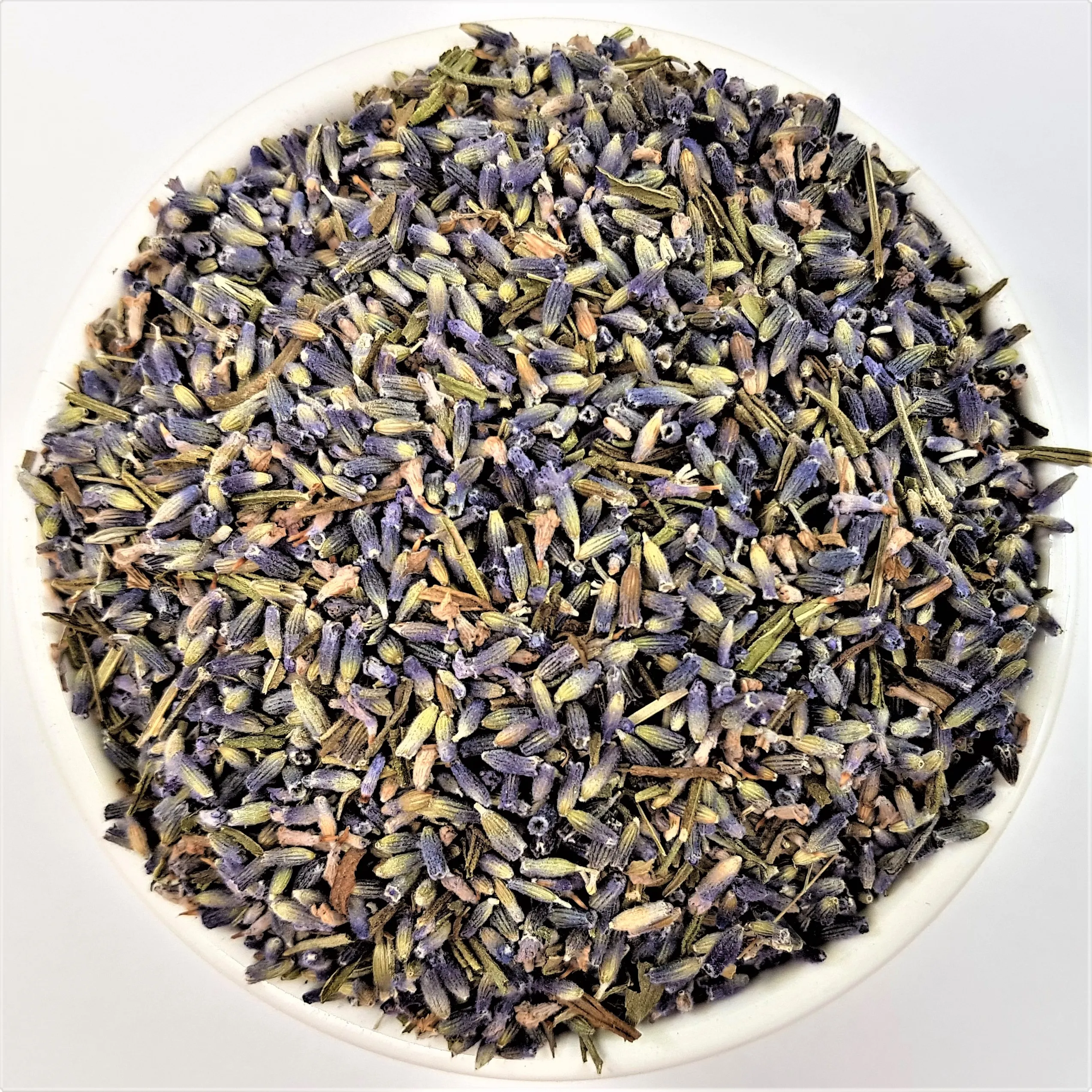
Herba Organica’s Lavender Dried Flower is gently dried to preserve the natural structure, colour, and aromatic profile of the flowers. The dried buds and florets display a soft purple-blue hue, with occasional green calyx elements, reflecting careful handling.
The aroma of Lavender is distinctly floral, clean, and refined, with subtle herbal and slightly sweet undertones. When used in small quantities, it provides aromatic depth without overwhelming other ingredients. In infusions, lavender produces a pale, lightly tinted liquid with a smooth, well-rounded fragrance.
Lavender Flower is typically used sparingly, particularly in beverages, where its aromatic strength can dominate if overused. This quality makes it especially valuable as an accent ingredient in blended herbal formulations.
Ingredients and Purity
100% Lavender Flower (Lavandula L.)
Herba Organica’s Lavender Flower contains no additives, preservatives, artificial colours, or flavourings. The product consists solely of dried Lavender Flowers, retaining their natural aroma, colour, and botanical integrity. Each batch is processed to ensure consistency, cleanliness, and suitability for a wide range of traditional uses.
Traditional and Contemporary Uses
Herbal Infusions
Lavender is commonly prepared as a herbal infusion, either on its own or as part of a blend. When steeped in hot water, it releases a floral aroma and a smooth, subtly herbaceous flavour. Due to its intensity, Lavender is often combined with milder herbs, where it contributes fragrance rather than volume. As a standalone infusion, Lavender Flowers produces a light, aromatic tea with a clean finish. In blends, it complements flowers, leaves, and citrus peels, adding clarity and aromatic structure.
Herbal Decoctions
While Lavender is more commonly infused than decocted, it may be included in light decoctions when combined with more robust botanicals. In such cases, Lavender is typically added during the final minutes of simmering to preserve its aromatic profile and prevent excessive extraction. This approach allows Lavender Flower to integrate into more complex preparations without losing its characteristic fragrance.
Cold Macerates
Lavender Flower adapts well to cold-water extraction. When steeped slowly in cold water over several hours, it releases a delicate floral aroma and a smooth, refreshing character. Cold macerates highlight lavender’s lighter aromatic notes and are suitable for warm-weather beverages or gentle botanical drinks. Cold preparations often result in a subtler flavour than hot infusions, making them ideal for those seeking a more restrained lavender profile.
Culinary and Aromatic Applications
Beyond beverages, Lavender Flower has a long history of culinary and aromatic use. In cooking, it is traditionally incorporated into baked goods, syrups, sugars, and spice blends, often in small quantities. Its floral notes pair well with citrus, honey, berries, and mild herbs.
Lavender Flower is also widely used in non-culinary contexts, such as scented sachets, potpourri and aromatic blends, decorative botanical applications. These uses reflect lavender’s enduring role as both a sensory and practical botanical.
How to Prepare Lavender Flower Tea
Herbal Infusion
Add 1 teaspoon of Lavender Flower to 200–250 ml of hot water
Cover and steep for 5–10 minutes
Strain before serving
Lavender Flower is best used in moderation. Smaller quantities allow its aroma to remain refined and balanced, particularly when preparing standalone infusions.
Cold Macerate
Place ½ teaspoon of Lavender Flower in 200–250 ml of cold water
Refrigerate and steep for 6–8 hours
Strain before use
Cold maceration produces a gentle, lightly aromatic beverage with a soft floral profile.
Suggested Herbal Pairings
Lavender Flower pairs well with a variety of botanicals, particularly those with mild or complementary aromas. Common pairing options include, Chamomile Flower, Lemon Balm, Linden Flower, Rose Petals, Orange Peel, Lemon Peel. When blended, Lavender is typically used in smaller proportions to enhance aroma without dominating the overall flavour profile.
Storage and Handling
To maintain quality, Lavender Flower should be stored in a cool, dry place away from direct sunlight and strong odours. Exposure to heat, light, or moisture may reduce aromatic intensity over time.
After opening, it is recommended to store Lavender Flower in an airtight container or the original packaging. Proper storage helps preserve the flower’s natural colour, fragrance, and usability across multiple preparations.
Quality and Processing Standards
Herba Organica places emphasis on maintaining the natural characteristics of Lavender Flower throughout harvesting, drying, and packaging. The result is a clean, visually appealing botanical product suitable for a wide range of uses. Each batch is handled to ensure consistency in texture and aroma, supporting reliable results whether used in infusions, blends, or aromatic applications.
Lavender Flower (Lavandula angustifolia L.) – Herba Organica is a versatile dried botanical valued for its refined floral aroma, soft colour, and adaptable character. With deep roots in European and Mediterranean traditions, Lavender Flower has long been included in herbal infusions, culinary recipes, and aromatic preparations. Suitable for hot infusions, cold macerates, light decoctions, and blended formulations, it offers a distinctive yet balanced presence that complements a wide range of botanicals.
Whether used sparingly as an aromatic accent or prepared on its own, Lavender provides a consistent and recognisable botanical profile. Herba Organica’s Lavender Flower delivers quality, purity, and traditional character, making it a reliable choice for both classic herbal practices and contemporary botanical exploration.
Important Information
The description and any information provided about this product are for informational purposes only and are not intended to diagnose, treat, cure or prevent any disease, nor to replace professional medical advice. For official UK guidance on the safe use of herbal products, see the NHS page. If you are pregnant, breastfeeding, taking any medication or have a medical condition, please consult a qualified healthcare professional before use. Keep out of reach of children.


Be the first to review “Lavender Flower – Lavandula L. – Herba Organica”